Biometric Smart Locks for Apartments: What Features Matter Most for Daily Use?
Biometric Smart Locks for Apartments: What Features Matter Most for Daily Use?

Choosing biometric smart locks for apartments is not only about opening a door with a fingerprint.
It is really about comfort, speed, backup access, and confidence every single day.
A good lock should feel invisible when everything works, but dependable when something goes wrong.
That matters even more in apartments, where shared hallways, delivery traffic, guests, and property rules shape daily use.
Many buyers focus first on the biometric part.
In practice, the best biometric smart locks for apartments combine several features that work together.
Recognition speed matters, but so do battery alerts, mechanical backup, app permissions, and fit with your existing door.
Before you buy, it helps to judge the lock as a daily-use system, not a single feature gadget.
Why Apartment Use Changes the Buying Decision
Apartment entry conditions are different from detached homes.
You may face narrower doors, stricter management rules, and higher turnover in who needs temporary access.
That changes what features matter most.
For example, remote unlocking may sound convenient.
But in many apartments, reliable local unlocking and easy visitor code management matter more.
Noise is another detail people overlook.
A lock with a loud motor or aggressive low-battery warning can become irritating in a shared corridor.
From a practical angle, biometric smart locks for apartments should solve four everyday problems:
- Fast entry when your hands are full
- Secure access for family, guests, or cleaners
- Reliable performance during battery or network issues
- Simple control without constant troubleshooting
If a product looks advanced but struggles with these basics, it is probably the wrong fit.
1. Fast and Consistent Biometric Recognition
The first question is simple: how often does it unlock correctly on the first try?
That is more useful than marketing claims about futuristic access.
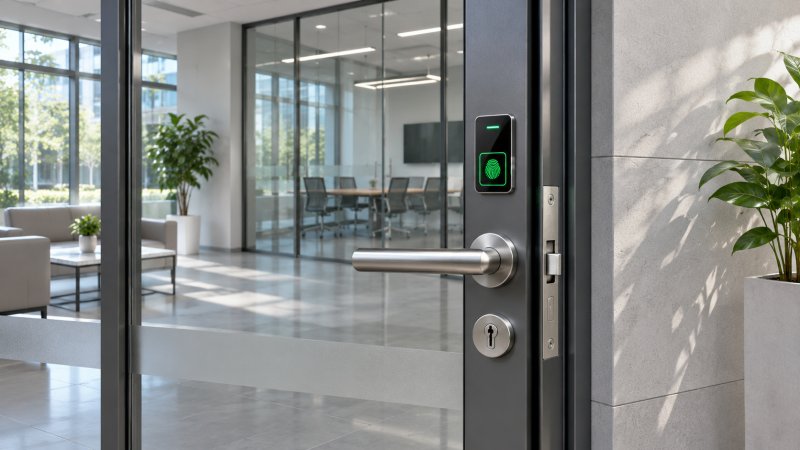
For biometric smart locks for apartments, fingerprint recognition is still the most common option.
A strong system should read quickly and stay stable with dry skin, light moisture, or minor finger angle changes.
Slow recognition feels frustrating within days.
Repeated misreads are worse, because they push people back to PINs or keys.
At that point, the biometric feature stops being your main benefit.
Look for these signs of better recognition quality:
- Fast unlock in about one second or less
- Low failure rate in normal daily conditions
- Easy enrollment for multiple fingerprints per person
- Consistent sensor placement on handle or panel
If possible, choose a model that stores several fingerprints for the same user.
That improves real-world usability when one finger is wet, injured, or carrying groceries.
2. Anti-Spoofing and Basic Security Protections
Convenience matters, but security is the reason the product exists.
Not all biometric smart locks for apartments offer the same level of protection.
A solid product should resist basic spoofing attempts and also protect against simpler risks.
Those include shoulder-surfing on PIN entry, forced tampering, and weak app credentials.
Good everyday protections often include:
- Liveness detection or anti-fake fingerprint measures
- Virtual PIN input to hide the real code
- Auto-lock after closing
- Tamper alarm or forced-entry alert
- Wrong-attempt lockout protection
Some buyers focus only on digital features.
That is incomplete.
The mechanical side still matters, including the lock body, latch quality, and resistance to physical abuse.
A weak structure can undermine strong electronics.
3. Multiple Access Methods Are Essential
A biometric lock should never depend on one entry method alone.
Daily life is too messy for that.
Your finger may be wet.
A parent may prefer a code.
A guest may need temporary access for one evening.
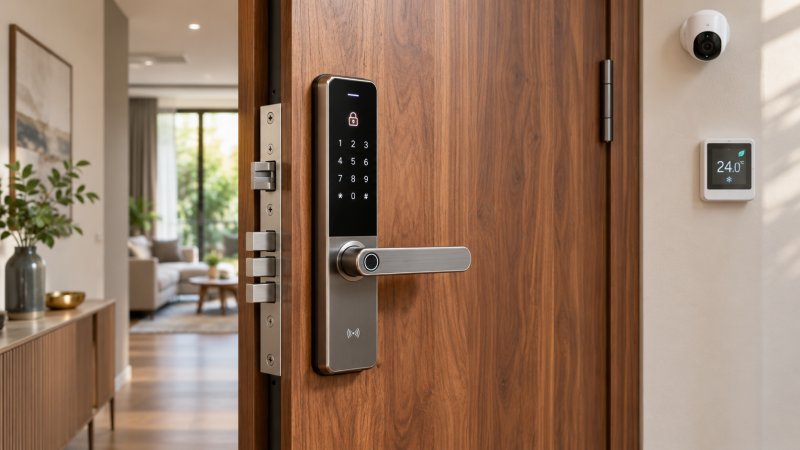
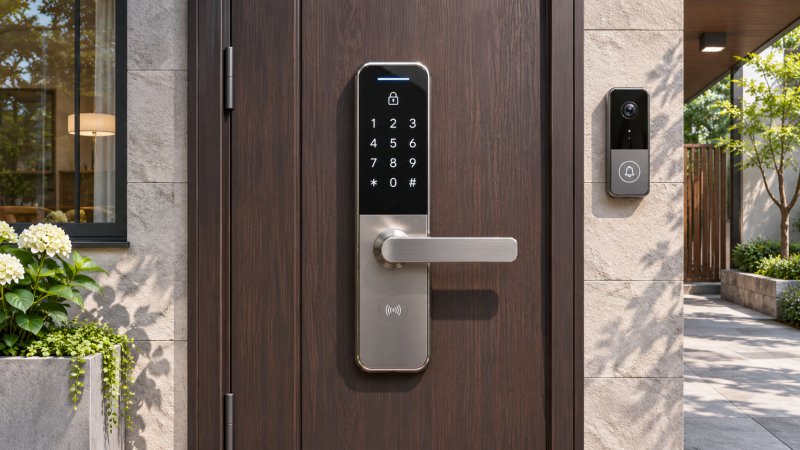
The best biometric smart locks for apartments usually support fingerprint, PIN, mobile app, and mechanical key backup.
Some also add NFC card or Bluetooth unlock.
This flexibility reduces friction across different users.
When comparing models, ask how each method fits actual apartment routines.
That makes the choice clearer than comparing feature counts.
Quick Access Comparison
4. Battery Life and Emergency Backup Matter More Than You Think
This is one of the most important buying factors.
A lock can have excellent biometrics and still become stressful if power management is weak.
For apartments, battery failure usually happens at the worst time.
Late at night, during travel, or when someone else is entering first.
Reliable biometric smart locks for apartments should provide early low-battery warnings, not last-minute panic alerts.
They should also support an emergency power option, such as external USB charging.
And yes, a mechanical key backup still matters.
Look for a lock that makes battery status easy to check inside the app or on the device itself.
That small detail lowers long-term maintenance risk.
5. App Control Should Be Useful, Not Complicated
A smart lock app should simplify control, not turn the lock into another device to manage.
That is especially true in apartment settings with visitors, housekeeping, dog walkers, or short-term relatives staying over.
Useful app features usually include:
- Temporary or scheduled PIN generation
- Access logs showing who entered and when
- Permission removal without resetting the whole lock
- Battery notifications and tamper alerts
- Simple user management for shared households
The stronger signal is not how many app screens exist.
It is whether common actions take only a few steps.
When evaluating biometric smart locks for apartments, app clarity is part of usability, not a bonus feature.
6. Door Compatibility and Installation Can Save You Money
This is where many buying decisions go wrong.
A lock may look perfect online but fit poorly on your apartment door.
Before choosing biometric smart locks for apartments, confirm door thickness, opening direction, mortise type, handle layout, and drilling requirements.
Also check whether your building allows permanent modifications.
Some apartments, especially rentals, favor retrofit-friendly options.
That can reduce installation cost and avoid future disputes.
A practical checklist helps:
- Measure the door and lock cutout carefully.
- Confirm whether the product needs a mortise replacement.
- Check building or landlord installation rules.
- Ask who handles service if the lock fails.
A better fit often beats a longer feature list.
7. What to Prioritize for Different Apartment Lifestyles
The right choice depends on how the apartment is used.
A single resident, a family, and a frequently visited home do not need exactly the same setup.
For solo living, speed and low maintenance often matter most.
For families, multiple fingerprints, PIN sharing, and dependable auto-lock features become more important.
For homes with regular visitors, temporary code management and entry records move higher on the list.
This also means there is no universal best model.
There is only the best match for your routine, door type, and risk tolerance.
Final Buying Advice
When comparing biometric smart locks for apartments, start with daily friction, not flashy claims.
Ask whether the lock unlocks quickly, supports backup access, protects against simple attacks, and fits your door without trouble.
Then check whether the app helps manage real access needs instead of adding complexity.
The strongest buying decisions usually come from balancing convenience, physical security, and installation reality.
If one model handles those three well, it is likely to serve better over time than a more advanced-looking alternative.
In short, the best biometric smart locks for apartments are the ones that feel easy every day and reliable when it counts.
Have questions about this sector analysis, or seeking best practices specific to your niche? Drop us a line below and let the senior consultants at MHLS assist you.
We respect your privacy. Your information is strictly confidential.
Recommended News
 Physical Security Infrastructure Cost: Budgeting for Installation and MaintenanceUnmanned Terminal FellowUnderstand physical security infrastructure cost and build a smarter budget for installation, maintenance, and long-term ownership.
 Financial Facility Security: Choosing Vault Doors for Bank BranchesVault Structural ArchitectStrengthen financial facility security with the right bank vault door. Explore certification, installation, locking controls and maintenance before you buy.
 MACO Acquires Majority Stake in Fingerprint Access Provider ekeyProf. Elara SterlingMACO acquires a majority stake in ekey, bringing fingerprint access and door hardware closer together. Discover what the deal could mean for smart buildings.
 Physical Security System Engineering: From Risk Assessment to System DesignUnmanned Terminal FellowExplore physical security system engineering, from risk assessment to integrated design, procurement and testing. Build a safer, more resilient facility.
 Apple Home Collection Smart Lock and Other Accessories Open for Preorder November 13Biometric Auth ScientistApple Home Collection preorders open November 13, 2026. Explore the LG smart lock’s Matter and Aliro support and what buyers should verify before ordering.
 Choosing Servo-Driven Flap Barriers: Throughput, Safety and Access ControlAccess Control StrategistServo-driven flap barriers can balance throughput, safety and access control. Discover how to compare lanes, test performance and choose with confidence.
 Parcel Locker Network Pricing: Setup Costs, Fees and Contract TermsUnmanned Terminal FellowCompare parcel locker networks pricing, from setup costs and recurring fees to contract terms. Discover hidden charges and choose the right model.
 JR East Plans UWB Walk-Through Gates at 40 Stations in Spring 2028Access Control StrategistJR East plans UWB walk-through gates at 40 stations in spring 2028. Explore the rollout timeline and what suppliers should watch.
 Bank Vault Security Standards: UL and EN Ratings ExplainedVault Structural ArchitectExplore bank vault security standards and learn how UL 608 classes and EN 1143-1 grades differ, what they test, and how to verify certification before you buy.
 Mechanical Lock Hardware Prices: What Buyers Should Budget for Bulk OrdersMr. Gideon CrossMechanical lock hardware price is just the starting point. Discover what drives bulk-order costs and how to compare supplier quotes with confidence.
 IndexBox Forecasts Steady Global Security Keypad Market Growth Through 2035Dr. Valerius ThorneGlobal security keypad market growth is forecast at 3.3% annually through 2035. Explore the smart home and replacement trends shaping demand.
 Choosing an Infrared Safety Sensors Manufacturer: What Buyers Should CheckUnmanned Terminal FellowChoosing an infrared safety sensors manufacturer? Compare safety evidence, integration, environmental performance and lifecycle costs before you buy.