
FCC Adds SAR and EMC Tests for Biometric Smart Locks
On September 1, 2026, the FCC update to KDB 865664 D03 v12.1 becomes a practical compliance threshold for new biometric smart lock models entering the U.S. certification process. The change matters because 3D facial smart locks and finger vein locks that integrate Wi-Fi/Bluetooth 5.4 modules are no longer limited to the existing FCC ID path; they must also complete SAR human exposure assessment and combined EMC testing, which directly affects certification timing, export preparation, and product cost planning for companies shipping smart locks to the U.S. market.
What the FCC Update Now Requires
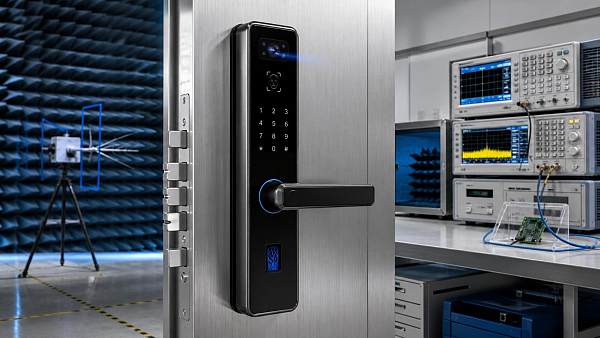
According to the provided event summary, the U.S. Federal Communications Commission released an update to KDB 865664 D03 v12.1 on June 22, 2026. For 3D facial smart locks and finger vein locks that include Wi-Fi/Bluetooth 5.4 modules, the update introduces a new requirement beyond the original FCC ID certification: SAR evaluation for human exposure and combined EMC testing must be added.
The rule applies to all new models submitted for certification after September 1, 2026. The provided information also indicates that this change is expected to affect the export pace of Chinese smart lock products to the United States and increase BOM-related cost pressure.
Where the Pressure May Appear First
Export-facing model planning comes under tighter timing control
From an industry perspective, companies directly exporting biometric smart locks to the U.S. may be affected first because certification submission timing becomes more sensitive. The main pressure point is whether new models scheduled for submission after September 1, 2026 have already accounted for the added SAR and EMC work in their launch and shipment plans.
Manufacturing teams may need to reassess cost and configuration decisions
Analysis shows that manufacturers of 3D facial smart locks and finger vein locks are likely to focus on BOM implications, because the event summary explicitly notes cost impact. The business issue is not only testing itself, but also whether current product configurations, especially those built around integrated Wi-Fi/Bluetooth 5.4 modules, still fit target margin and delivery expectations for the U.S. market.
Supply chain and service partners may face longer coordination cycles
For supply chain service providers and compliance-related service partners, the likely impact is operational rather than purely commercial. What deserves closer attention is whether technical files, certification schedules, and customer delivery commitments can still move in step once additional assessment and testing are required for new submissions.
Buyers and channel-side stakeholders may need clearer compliance visibility
Procurement teams and downstream channel participants may also be affected because model approval timing can influence listing, replenishment, and launch coordination. Observably, their main concern is less about the wording of the rule itself and more about whether suppliers can provide a clear compliance timeline for affected smart lock models.
What Companies Should Watch Closely Now
Identify the exact product scope affected
The first practical issue is product screening. Companies should distinguish which new models fall into the stated category of 3D facial smart locks or finger vein locks with integrated Wi-Fi/Bluetooth 5.4 modules, because the provided rule description is specific to that scope rather than to all smart lock products.
Separate existing approvals from new submission requirements
Another key point is internal communication around certification status. The provided information states that the new requirement applies to new models submitted after September 1, 2026, so teams should clearly separate legacy approvals from upcoming submissions when discussing delivery promises, contract timing, and U.S. market entry schedules.
Recheck certification schedules against shipment commitments
For sales, compliance, and operations teams, the immediate concern is schedule alignment. Analysis shows that added SAR and combined EMC testing may affect the sequence of preparation, submission, and customer confirmation, making it important to review whether planned export windows remain realistic for affected models.
Prepare customer-facing documentation and expectation management
What deserves closer attention is how suppliers explain the rule change to U.S. customers and channel partners. Even when technical work is still in progress, companies may need clearer document readiness, status updates, and timeline communication so that compliance changes do not become avoidable commercial friction.
Why This Looks More Like a Compliance Signal Than a One-Day Event
Analysis shows that this update should not be read only as a procedural change in testing. It is more appropriate to understand this as a targeted compliance signal for biometric smart lock categories that combine identity-recognition functions with wireless connectivity. The immediate confirmed fact is the added testing requirement for new submissions in the defined scope; the broader market effect still depends on how companies absorb timing and cost pressure in real projects.
Observably, the most important near-term issue is execution rather than interpretation. The rule already creates a concrete checkpoint for submissions after September 1, 2026, but the extent of disruption across product planning, pricing, and export rhythm still needs continued observation rather than definitive conclusions.
How the Market May Best Read This Development
At this stage, the FCC update is best understood as a near-term compliance change with broader strategic implications that are still unfolding. The confirmed impact lies in additional SAR and EMC requirements for certain new biometric smart lock models entering FCC certification after the stated date. The wider industry meaning is that exporters, manufacturers, and compliance-linked partners now need closer alignment between product definition, certification preparation, and delivery planning for the U.S. market.
A neutral reading is appropriate here: the rule change is specific and operationally relevant, but its full commercial effect should still be monitored through actual certification practice, product launch timing, and customer-side response.
Basis of This Article and Ongoing Verification
This article is based on the user-provided news title, event date, and event summary regarding the FCC update affecting biometric smart locks. For this type of development, relevant source categories usually include official notices, company statements, industry association updates, authoritative media coverage, and standards or guidance documents.
No specific official source link was provided in the input, so the exact official link remains to be continuously verified. Follow-up attention should focus on any further official wording, scope clarification, or implementation-related updates connected to KDB 865664 D03 v12.1 and certification submissions after September 1, 2026.
Have questions about this sector analysis, or seeking best practices specific to your niche? Drop us a line below and let the senior consultants at MHLS assist you.
We respect your privacy. Your information is strictly confidential.
Recommended News
 Financial Facility Security: Choosing Vault Doors for Bank BranchesVault Structural ArchitectStrengthen financial facility security with the right bank vault door. Explore certification, installation, locking controls and maintenance before you buy.
 MACO Acquires Majority Stake in Fingerprint Access Provider ekeyProf. Elara SterlingMACO acquires a majority stake in ekey, bringing fingerprint access and door hardware closer together. Discover what the deal could mean for smart buildings.
 Physical Security System Engineering: From Risk Assessment to System DesignUnmanned Terminal FellowExplore physical security system engineering, from risk assessment to integrated design, procurement and testing. Build a safer, more resilient facility.
 Apple Home Collection Smart Lock and Other Accessories Open for Preorder November 13Biometric Auth ScientistApple Home Collection preorders open November 13, 2026. Explore the LG smart lock’s Matter and Aliro support and what buyers should verify before ordering.
 Choosing Servo-Driven Flap Barriers: Throughput, Safety and Access ControlAccess Control StrategistServo-driven flap barriers can balance throughput, safety and access control. Discover how to compare lanes, test performance and choose with confidence.
 Parcel Locker Network Pricing: Setup Costs, Fees and Contract TermsUnmanned Terminal FellowCompare parcel locker networks pricing, from setup costs and recurring fees to contract terms. Discover hidden charges and choose the right model.
 JR East Plans UWB Walk-Through Gates at 40 Stations in Spring 2028Access Control StrategistJR East plans UWB walk-through gates at 40 stations in spring 2028. Explore the rollout timeline and what suppliers should watch.
 Bank Vault Security Standards: UL and EN Ratings ExplainedVault Structural ArchitectExplore bank vault security standards and learn how UL 608 classes and EN 1143-1 grades differ, what they test, and how to verify certification before you buy.
 Mechanical Lock Hardware Prices: What Buyers Should Budget for Bulk OrdersMr. Gideon CrossMechanical lock hardware price is just the starting point. Discover what drives bulk-order costs and how to compare supplier quotes with confidence.
 IndexBox Forecasts Steady Global Security Keypad Market Growth Through 2035Dr. Valerius ThorneGlobal security keypad market growth is forecast at 3.3% annually through 2035. Explore the smart home and replacement trends shaping demand.
 Choosing an Infrared Safety Sensors Manufacturer: What Buyers Should CheckUnmanned Terminal FellowChoosing an infrared safety sensors manufacturer? Compare safety evidence, integration, environmental performance and lifecycle costs before you buy.
 Choosing a Security Material Testing Service: What to Check for Lock and Safe MaterialsProf. Elara SterlingChoose a security material testing service with confidence. Learn what to check for lock and safe materials, from attack methods and accreditation to reliable reports.











