
GSO Opens 60-Day Fast Track for 3D Facial Smart Locks
On July 13, 2026, the Gulf Standardization Organization (GSO) announced a new fast-track certification route for qualifying 3D facial smart locks, creating a shorter path into parts of the GCC market for products that meet specific photobiological safety and liveness detection requirements. For smart lock manufacturers, testing labs, channel partners, and buyers serving high-end residential and hotel projects in the UAE, Saudi Arabia, and Qatar, the development is worth close attention because it changes the timing and documentation logic of market entry rather than simply adding another compliance label.
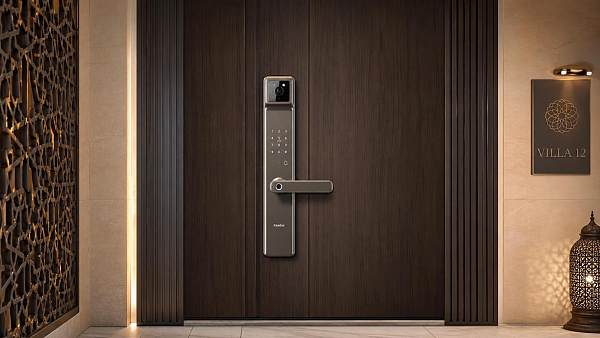
A targeted certification window with defined technical conditions
According to the information provided, GSO launched the Smart Access Devices Fast Track Program on July 13, 2026. The program applies to 3D facial smart locks that comply with IEC 62471 for photobiological safety and ISO/IEC 30107-3:2026 Level 3 for liveness detection.
For eligible products, the program offers a green channel aimed at completing GSO certification within 60 working days. The first pilot phase covers the United Arab Emirates, Saudi Arabia, and Qatar.
Applicants are required to submit complete test reports issued by laboratories in China that are accredited by CNAS. The information provided also states that this arrangement materially lowers both the access threshold and the time cost for Chinese smart lock companies seeking entry into high-end residential and hotel segments in the Middle East.
Where the immediate business effects may appear
Product makers face a shorter compliance timetable
From an industry perspective, manufacturers of 3D facial smart locks are the most directly affected group because the announced program links faster certification to clearly named technical standards and report requirements. The main impact is likely to appear in product readiness, model selection, and launch sequencing for the three pilot markets. What deserves closer attention is whether existing product lines already align with IEC 62471 and ISO/IEC 30107-3:2026 Level 3, because the fast track appears to reward prior compliance preparation rather than replace it.
Testing and documentation become a front-end business issue
Testing laboratories and compliance teams may also see a practical shift in workload and timing. The requirement for complete reports from CNAS-accredited laboratories in China means that report completeness and accreditation status become part of the commercial path to market, not just a back-office formality. For exporters and certification coordinators, the affected business links are test planning, report collection, application scheduling, and document consistency.
Distributors and project-side buyers gain a clearer approval path
Channel partners, importers, and procurement teams serving premium housing and hospitality projects may be affected through shorter approval lead times for eligible products. Analysis shows that the operational impact is less about retail promotion and more about procurement planning, bid timing, and supplier screening. These market participants should pay attention to whether suppliers can actually present the required reports and whether the target product category falls squarely within the announced pilot scope.
What companies should monitor now
Check whether the product truly fits the announced scope
The program is described for 3D facial smart locks, with eligibility tied to named safety and liveness standards. Companies should therefore review product definitions, core authentication methods, and existing test status before assuming that a smart lock portfolio qualifies for the fast track.
Prepare CNAS-accredited reports before treating the faster timeline as real
The 60-working-day route is tied to submission of complete reports from CNAS-accredited laboratories in China. In practical terms, businesses should distinguish between a policy opening and an application that is actually ready to move. If documentation is incomplete, the shortened certification window may not translate into a shortened commercial cycle.
Keep pilot-country rollout separate from broader GCC assumptions
The first phase covers the UAE, Saudi Arabia, and Qatar. Companies should avoid reading the announcement as an automatic rule for all GCC destinations. For sales teams and regional partners, the immediate task is to map opportunities specifically to the three named markets and keep country-level communication precise.
Align customer communication with certification status
For suppliers already discussing premium residential or hotel projects, customer-facing claims should be tied to actual eligibility and submitted documentation rather than general references to a new GCC fast track. This matters for project timelines, tender expectations, and delivery commitments, especially where buyers may interpret the announcement as immediate approval for all facial smart lock models.
Why this matters beyond the headline
Observably, this update is more than a routine certification notice because it links market access speed to two specific technical benchmarks and to a defined report pathway from CNAS-accredited laboratories in China. Analysis shows that the message to the industry is not simply that approval can move faster, but that faster approval may increasingly favor suppliers with mature testing preparation and clearer product positioning.
At the same time, it is more appropriate to understand this as a structured opening rather than a fully settled market outcome. The program begins as a pilot in three countries, and the information provided does not establish how broadly it may expand, how many products will qualify in practice, or how application volume may affect execution. That makes this a meaningful short-term operational change and a longer-term signal worth continued monitoring.
A shorter route, but not a lighter requirement
In practical terms, the announcement points to a more efficient compliance path for a defined category of smart access devices entering selected Middle East markets. Its industry significance lies in compressing timing for qualifying products while also making standards alignment and test documentation more central to commercial execution.
The most balanced reading is that this is an actionable policy development with immediate relevance for eligible 3D facial smart lock suppliers, especially those targeting high-end residential and hotel demand in the UAE, Saudi Arabia, and Qatar. It should not yet be treated as a blanket shift for all smart lock exports, but as a concrete pilot-stage signal that deserves close operational follow-through.
About the basis of this report
This article is based on the user-provided news title, event date, and event summary. For developments of this kind, relevant source types typically include official announcements, standardization body notices, company disclosures, industry association updates, authoritative media coverage, and technical standard documents.
A specific official source link was not provided in the input, so the underlying announcement and any subsequent rule clarifications still need ongoing verification. The main points for follow-up are whether the pilot scope changes, whether application requirements are further detailed, and whether implementation in the three named markets remains consistent with the initial announcement.
Have questions about this sector analysis, or seeking best practices specific to your niche? Drop us a line below and let the senior consultants at MHLS assist you.
We respect your privacy. Your information is strictly confidential.
Recommended News
 Physical Security System Engineering: From Risk Assessment to System DesignUnmanned Terminal FellowExplore physical security system engineering, from risk assessment to integrated design, procurement and testing. Build a safer, more resilient facility.
 Apple Home Collection Smart Lock and Other Accessories Open for Preorder November 13Biometric Auth ScientistApple Home Collection preorders open November 13, 2026. Explore the LG smart lock’s Matter and Aliro support and what buyers should verify before ordering.
 Choosing Servo-Driven Flap Barriers: Throughput, Safety and Access ControlAccess Control StrategistServo-driven flap barriers can balance throughput, safety and access control. Discover how to compare lanes, test performance and choose with confidence.
 Parcel Locker Network Pricing: Setup Costs, Fees and Contract TermsUnmanned Terminal FellowCompare parcel locker networks pricing, from setup costs and recurring fees to contract terms. Discover hidden charges and choose the right model.
 JR East Plans UWB Walk-Through Gates at 40 Stations in Spring 2028Access Control StrategistJR East plans UWB walk-through gates at 40 stations in spring 2028. Explore the rollout timeline and what suppliers should watch.
 Bank Vault Security Standards: UL and EN Ratings ExplainedVault Structural ArchitectExplore bank vault security standards and learn how UL 608 classes and EN 1143-1 grades differ, what they test, and how to verify certification before you buy.
 Mechanical Lock Hardware Prices: What Buyers Should Budget for Bulk OrdersMr. Gideon CrossMechanical lock hardware price is just the starting point. Discover what drives bulk-order costs and how to compare supplier quotes with confidence.
 IndexBox Forecasts Steady Global Security Keypad Market Growth Through 2035Dr. Valerius ThorneGlobal security keypad market growth is forecast at 3.3% annually through 2035. Explore the smart home and replacement trends shaping demand.
 Choosing an Infrared Safety Sensors Manufacturer: What Buyers Should CheckUnmanned Terminal FellowChoosing an infrared safety sensors manufacturer? Compare safety evidence, integration, environmental performance and lifecycle costs before you buy.
 Choosing a Security Material Testing Service: What to Check for Lock and Safe MaterialsProf. Elara SterlingChoose a security material testing service with confidence. Learn what to check for lock and safe materials, from attack methods and accreditation to reliable reports.
 How Precision Anti-Pick Lock Cylinders Resist ManipulationSecurity Metallurgy ExpertDiscover how precision anti-pick lock technology resists manipulation, and learn what to check when comparing security features, test evidence, and everyday reliability.
 Dermalog Joins NIST FastCAP Program for Contactless Fingerprint TestingProf. Elara SterlingDermalog joins the NIST FastCAP program for contactless fingerprint testing. Discover what this means for biometric identification and digital identity.











