
How to Choose Smart Home Security Devices for Apartments, Houses, and Rentals
Choosing smart home security devices depends heavily on where and how you live. An apartment door, a detached house, and a rental unit face different entry risks, installation limits, network conditions, and ownership rules.
That is why the best setup is rarely the one with the longest feature list. A better approach is to match practical protection layers with the layout, access pattern, and restrictions of the property.
This topic matters more now because home security is no longer just about alarms. Smart locks, video doorbells, motion sensors, indoor cameras, glass-break detection, and app-based alerts now sit inside a wider physical security ecosystem.
Platforms such as SHPS track that broader shift by connecting smart hardware, mechanical locking structures, biometric access, electronic reliability, and real deployment questions into one security conversation.
What smart home security devices really include
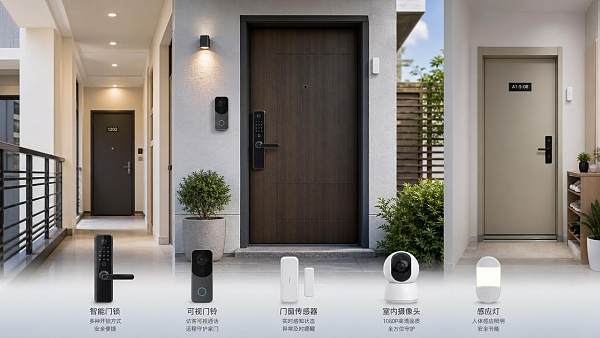
In everyday use, smart home security devices are not a single product category. They are a group of connected tools designed to detect intrusion, control access, record activity, and send alerts in real time.
The most common options include smart locks, entry sensors, cameras, doorbell cameras, motion detectors, sirens, smart lighting, keypad panels, and mobile apps that tie everything together.
Some devices focus on convenience, such as keyless entry or remote unlocking. Others address stronger security concerns, including anti-spoofing biometrics, tamper alerts, encrypted communication, and mechanical resistance at the door.
That distinction matters. A device may feel advanced because it connects to a phone, yet still offer weak physical protection if the lock body, cylinder, strike plate, or door itself remains vulnerable.
Why device selection is becoming more nuanced
The market has moved beyond simple gadget buying. People now compare not only image quality or app design, but also false alarm rates, battery life, cloud dependence, local storage, and how devices behave during power or internet failure.
There is also growing attention to the crossover between digital and physical security. SHPS often highlights this point in broader industry coverage, especially where biometric smart locks, anti-picking cylinders, and electronic access systems overlap.
For home use, the lesson is simple. Smart home security devices should be judged as part of an entry protection system, not as isolated electronics.
Apartments need compact protection and low-friction installation
Apartment security usually centers on one main entrance, shared hallways, and limited authority to modify doors or wiring. In many cases, the best solutions are non-invasive and easy to remove.
A smart lock retrofit, video doorbell approved by building rules, door sensor, and indoor camera covering the entrance often provide enough visibility without overcomplicating the setup.
Noise also matters in multi-unit buildings. A loud siren can attract attention, but mobile alerts and camera verification are often more useful than aggressive alarm behavior that triggers frequent complaints.
Apartments also benefit from package monitoring. If deliveries are left near a shared entrance, a door camera or compatible parcel notification solution adds value beyond burglary prevention.
Best priorities for apartment setups
- Choose devices with adhesive or minimal-drill installation.
- Check building policies before adding cameras or exterior hardware.
- Favor strong app alerts and event history over large system size.
- Look for battery backup and reliable Wi-Fi performance near the entry.
Houses require layered coverage across more entry points
Detached houses create a wider security perimeter. Front doors, back doors, side gates, first-floor windows, garages, driveways, and yard approaches all expand the number of vulnerable points.
Here, smart home security devices work best when they form layers. Outdoor cameras observe approach paths. Door and window sensors confirm entry. Motion sensors watch internal movement. Smart locks control access and generate audit trails.
Lighting should not be treated as a secondary feature. Motion-triggered exterior lights often deter opportunistic intrusion more effectively than another indoor camera.
Larger homes also make network planning more important. Weak signal coverage creates blind spots, delayed notifications, and devices that disconnect at the wrong moment.
Where physical hardware still matters
A camera may capture an incident, but it does not stop forced entry. In houses, reinforced strike plates, durable lock cylinders, better door frames, and reliable mechanical locking still deserve attention.
This is where the broader SHPS perspective becomes useful. Smart access control performs best when electronic convenience and mechanical resistance support each other, rather than compete.
Rentals call for flexibility, reversibility, and clear permissions
Rental properties create a different decision model. Security concerns may be similar to apartments or houses, but the installation rights are usually narrower and the expected ownership period is shorter.
That makes portable, easy-to-remove smart home security devices more attractive. Peel-and-stick sensors, plug-in cameras, freestanding hubs, and retrofit locks usually fit better than hardwired systems.
The key issue is not only whether a product works, but whether it leaves marks, changes door hardware, or creates disputes over shared access after move-out.
It is also wise to think about data ownership. Recorded footage, user accounts, and digital keys should be easy to reset when occupancy changes.
Features worth comparing before buying
The fastest way to compare smart home security devices is to focus on performance questions instead of marketing labels. The table below helps narrow the decision.
If a device looks impressive but fails on reliability, update support, or physical durability, it may not improve security in a meaningful way.
Common mistakes when choosing smart home security devices
One common mistake is buying too many devices before mapping real risks. A small apartment does not need the same device count as a multi-entry house.
Another mistake is prioritizing app features over lock integrity. A smart lock with poor mechanical resistance can create a false sense of protection.
There is also a tendency to ignore maintenance. Batteries need replacement, camera lenses need cleaning, firmware needs updates, and mobile alerts need testing.
- Do not assume every wireless device works well through thick walls.
- Do not place cameras where glare or poor angle reduces useful footage.
- Do not overlook privacy rules in shared buildings or shared driveways.
- Do not mix too many incompatible ecosystems without a clear reason.
A practical way to build the right setup
Start with the entry point that matters most. For many homes, that means the main door, the lock, and immediate visibility around it.
Then add devices according to exposure. Houses may need outdoor coverage and perimeter lighting. Apartments may need entry alerts and package visibility. Rentals may need removable devices and easy account resets.
A useful shortlist often includes one access control device, one detection layer, one visibility layer, and one notification method. That usually produces a cleaner result than chasing every available feature.
When comparing brands, look beyond style and subscription offers. Pay attention to lock construction, authentication methods, sensor reliability, event logs, and how the system behaves when something goes wrong.
For anyone evaluating smart home security devices more seriously, it helps to use trusted industry references that discuss not only consumer features, but also physical security performance and real deployment trade-offs.
The next step is to list your property type, entry points, installation limits, and tolerance for maintenance. With that framework, it becomes much easier to compare options and choose a setup that is actually secure, practical, and sustainable.
Have questions about this sector analysis, or seeking best practices specific to your niche? Drop us a line below and let the senior consultants at MHLS assist you.
We respect your privacy. Your information is strictly confidential.
Recommended News
 Physical Security System Engineering: From Risk Assessment to System DesignUnmanned Terminal FellowExplore physical security system engineering, from risk assessment to integrated design, procurement and testing. Build a safer, more resilient facility.
 Apple Home Collection Smart Lock and Other Accessories Open for Preorder November 13Biometric Auth ScientistApple Home Collection preorders open November 13, 2026. Explore the LG smart lock’s Matter and Aliro support and what buyers should verify before ordering.
 Choosing Servo-Driven Flap Barriers: Throughput, Safety and Access ControlAccess Control StrategistServo-driven flap barriers can balance throughput, safety and access control. Discover how to compare lanes, test performance and choose with confidence.
 Parcel Locker Network Pricing: Setup Costs, Fees and Contract TermsUnmanned Terminal FellowCompare parcel locker networks pricing, from setup costs and recurring fees to contract terms. Discover hidden charges and choose the right model.
 JR East Plans UWB Walk-Through Gates at 40 Stations in Spring 2028Access Control StrategistJR East plans UWB walk-through gates at 40 stations in spring 2028. Explore the rollout timeline and what suppliers should watch.
 Bank Vault Security Standards: UL and EN Ratings ExplainedVault Structural ArchitectExplore bank vault security standards and learn how UL 608 classes and EN 1143-1 grades differ, what they test, and how to verify certification before you buy.
 Mechanical Lock Hardware Prices: What Buyers Should Budget for Bulk OrdersMr. Gideon CrossMechanical lock hardware price is just the starting point. Discover what drives bulk-order costs and how to compare supplier quotes with confidence.
 IndexBox Forecasts Steady Global Security Keypad Market Growth Through 2035Dr. Valerius ThorneGlobal security keypad market growth is forecast at 3.3% annually through 2035. Explore the smart home and replacement trends shaping demand.
 Choosing an Infrared Safety Sensors Manufacturer: What Buyers Should CheckUnmanned Terminal FellowChoosing an infrared safety sensors manufacturer? Compare safety evidence, integration, environmental performance and lifecycle costs before you buy.
 Choosing a Security Material Testing Service: What to Check for Lock and Safe MaterialsProf. Elara SterlingChoose a security material testing service with confidence. Learn what to check for lock and safe materials, from attack methods and accreditation to reliable reports.
 How Precision Anti-Pick Lock Cylinders Resist ManipulationSecurity Metallurgy ExpertDiscover how precision anti-pick lock technology resists manipulation, and learn what to check when comparing security features, test evidence, and everyday reliability.
 Dermalog Joins NIST FastCAP Program for Contactless Fingerprint TestingProf. Elara SterlingDermalog joins the NIST FastCAP program for contactless fingerprint testing. Discover what this means for biometric identification and digital identity.











