
Residential Entry Security Systems: Which Types Fit Apartments, Villas, and Gated Homes?
Residential Entry Security Systems: Which Types Fit Apartments, Villas, and Gated Homes?
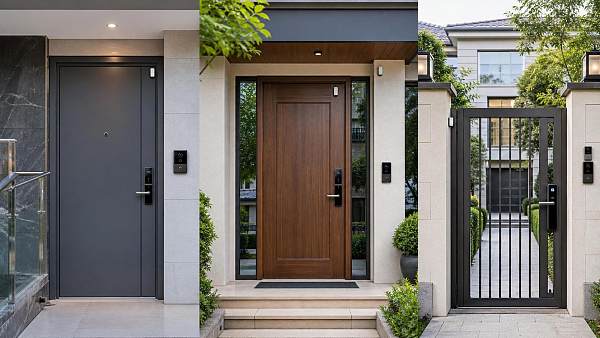
Choosing the right residential entry security systems starts with one simple truth: every home faces different risks.
An apartment in a busy building needs something different from a villa with several outdoor access points.
A gated home may already have perimeter control, but that does not remove the need for strong entrance protection.
That is why residential entry security systems should match your property type, daily routine, visitor flow, and budget.
The best setup is rarely the most expensive one. It is the one that closes real security gaps without making life harder.
In practical terms, that means balancing physical strength, smart access, user management, and emergency backup.
What Residential Entry Security Systems Usually Include
Before comparing homes, it helps to know what residential entry security systems often include.
- Smart door locks with fingerprint, PIN, app, or card access.
- Mechanical lock cylinders with anti-picking and anti-drilling protection.
- Protective entrance doors with reinforced frames and stronger hinges.
- Video doorbells or intercoms for visitor verification.
- Access control for gates, lobbies, side doors, or garages.
- Door sensors, alarms, and mobile alerts for forced entry attempts.
Some homes need only one or two of these layers. Others need a more connected system.
The key is to avoid buying isolated devices that do not solve the actual entry risk.
Best Fit for Apartments
Apartment security usually starts at the unit door, not the property line.
There may already be building access control, shared cameras, and lobby staff.
That means residential entry security systems for apartments should focus on the private entrance and visitor screening.
Recommended system types
- Smart lock with PIN and fingerprint access.
- Mechanical override key for outages or battery failure.
- Video peephole or compact door viewer.
- Door sensor linked to a phone alert.
- High-security cylinder if lock replacement is allowed.
Why this works
Apartments often have moderate external protection but frequent nearby traffic.
Delivery staff, cleaners, neighbors, and short-term guests create more access events.
So the best residential entry security systems here focus on convenience with controlled permissions.
Temporary PINs are often more useful than complex perimeter alarms in this setting.
What to watch for
- Check building rules before replacing cylinders or drilling doors.
- Choose a lock with audit logs if multiple people enter regularly.
- Avoid bulky devices that weaken thin apartment doors.
- Keep backup access simple for elderly family members.
Best Fit for Villas
Villas usually face a wider security challenge.
There may be a main gate, front door, patio doors, garage entry, and side access routes.
Because of that, residential entry security systems for villas should use layered protection.
Recommended system types
- Reinforced protective front door with strong lock body.
- Smart lock with fingerprint, app control, and access records.
- High-security mechanical cylinder with anti-drill protection.
- Video intercom at the gate and front entrance.
- Garage and side-door sensors connected to one platform.
- Integrated alarm for door tampering or forced entry.
Why this works
A villa has more entry points and usually less immediate neighbor visibility.
That creates more opportunity for quiet intrusion, especially around side or rear access.
In this case, residential entry security systems should not rely on the front door alone.
A layered design makes entry harder, slower, and easier to detect.
Best practice for villa owners
- Start with the strongest physical barrier at the main entrance.
- Then secure secondary doors with matching lock quality.
- Add remote monitoring only after core hardware is reliable.
- Review whether household staff need limited access rights.
This order matters. Smart features cannot compensate for weak doors or poor lock structure.
Best Fit for Gated Homes
Gated homes sit in an interesting middle ground.
There is already some perimeter control, but shared gates can create false confidence.
Visitors, contractors, and tailgating vehicles may still reach the house entrance.
So residential entry security systems for gated homes still need strong front-end verification.
Recommended system types
- Smart front-door lock with multi-user management.
- Video doorbell or intercom with live mobile viewing.
- Gate access logs if the property controls its own gate.
- Door frame reinforcement and quality cylinder protection.
- Linked notifications for gate, porch, and main door activity.
Where people often misjudge risk
The main mistake is assuming the community gate solves everything.
In reality, shared access points may reduce random traffic but not targeted entry attempts.
That is why residential entry security systems should still protect the individual home as a separate security zone.
How to Choose the Right System by Risk Level
A practical buying decision starts with risk, not marketing features.
This simple comparison helps narrow down residential entry security systems without overbuying.
Features Worth Paying For
Not every premium feature adds real value.
The most useful residential entry security systems usually share a few practical strengths.
- Fast and reliable unlocking for daily use.
- Backup power or mechanical override.
- Tamper alerts and access history.
- Strong cylinder and lock body construction.
- Easy permission control for family, staff, and visitors.
- Compatibility with existing gates, doors, or intercom systems.
If a product looks smart but lacks physical resistance, it may create a weak point instead of solving one.
Common Buying Mistakes to Avoid
- Buying by app design instead of door security performance.
- Ignoring the strength of the frame, hinges, and strike plate.
- Choosing too many features that nobody will actually use.
- Forgetting backup access during power, battery, or network issues.
- Using one identical solution for very different entry points.
From a real-world perspective, the smartest residential entry security systems are the ones people use correctly every day.
A Simple Decision Checklist
- List every active entry point, not just the front door.
- Rank each point by exposure, visibility, and traffic frequency.
- Decide where you need physical reinforcement first.
- Choose which users need permanent, temporary, or emergency access.
- Check power backup, maintenance needs, and installation limits.
- Select residential entry security systems that match daily habits.
That last step matters more than it seems.
If the system feels annoying, people bypass it. Once that happens, security drops fast.
Final Takeaway
The right residential entry security systems depend on how your home is built and how it is used.
Apartments benefit from smart access and visitor control.
Villas need layered protection across several entrances.
Gated homes still need strong independent entry defense, even with perimeter access in place.
If you start with real risks, compare hardware quality carefully, and keep daily use simple, your investment will work much harder for you.
Use that approach to shortlist residential entry security systems that protect better, fit naturally, and stay effective over time.
Have questions about this sector analysis, or seeking best practices specific to your niche? Drop us a line below and let the senior consultants at MHLS assist you.
We respect your privacy. Your information is strictly confidential.
Recommended News
 Physical Security System Engineering: From Risk Assessment to System DesignUnmanned Terminal FellowExplore physical security system engineering, from risk assessment to integrated design, procurement and testing. Build a safer, more resilient facility.
 Apple Home Collection Smart Lock and Other Accessories Open for Preorder November 13Biometric Auth ScientistApple Home Collection preorders open November 13, 2026. Explore the LG smart lock’s Matter and Aliro support and what buyers should verify before ordering.
 Choosing Servo-Driven Flap Barriers: Throughput, Safety and Access ControlAccess Control StrategistServo-driven flap barriers can balance throughput, safety and access control. Discover how to compare lanes, test performance and choose with confidence.
 Parcel Locker Network Pricing: Setup Costs, Fees and Contract TermsUnmanned Terminal FellowCompare parcel locker networks pricing, from setup costs and recurring fees to contract terms. Discover hidden charges and choose the right model.
 JR East Plans UWB Walk-Through Gates at 40 Stations in Spring 2028Access Control StrategistJR East plans UWB walk-through gates at 40 stations in spring 2028. Explore the rollout timeline and what suppliers should watch.
 Bank Vault Security Standards: UL and EN Ratings ExplainedVault Structural ArchitectExplore bank vault security standards and learn how UL 608 classes and EN 1143-1 grades differ, what they test, and how to verify certification before you buy.
 Mechanical Lock Hardware Prices: What Buyers Should Budget for Bulk OrdersMr. Gideon CrossMechanical lock hardware price is just the starting point. Discover what drives bulk-order costs and how to compare supplier quotes with confidence.
 IndexBox Forecasts Steady Global Security Keypad Market Growth Through 2035Dr. Valerius ThorneGlobal security keypad market growth is forecast at 3.3% annually through 2035. Explore the smart home and replacement trends shaping demand.
 Choosing an Infrared Safety Sensors Manufacturer: What Buyers Should CheckUnmanned Terminal FellowChoosing an infrared safety sensors manufacturer? Compare safety evidence, integration, environmental performance and lifecycle costs before you buy.
 Choosing a Security Material Testing Service: What to Check for Lock and Safe MaterialsProf. Elara SterlingChoose a security material testing service with confidence. Learn what to check for lock and safe materials, from attack methods and accreditation to reliable reports.
 How Precision Anti-Pick Lock Cylinders Resist ManipulationSecurity Metallurgy ExpertDiscover how precision anti-pick lock technology resists manipulation, and learn what to check when comparing security features, test evidence, and everyday reliability.
 Dermalog Joins NIST FastCAP Program for Contactless Fingerprint TestingProf. Elara SterlingDermalog joins the NIST FastCAP program for contactless fingerprint testing. Discover what this means for biometric identification and digital identity.











