
Smart Home Security Systems Explained: What They Include and Which Homes Need Them
Why are smart home security systems getting more attention?
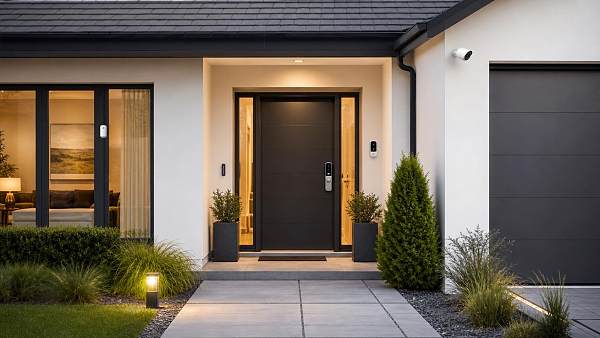
Smart home security systems have moved far beyond a siren on the wall. They now connect locks, sensors, cameras, alerts, and access control into one protective layer.
That shift matters because home risk has changed. Deliveries sit outside longer, remote access is common, and people expect to check doors and entrances from a phone.
In practical terms, a modern setup helps detect entry, verify activity, and respond faster. It is not only about stopping intrusion. It is also about visibility and control.
This is also why smart home security systems are increasingly discussed alongside broader physical security topics. Platforms such as SHPS often connect residential devices with commercial-grade thinking.
For example, the same industry conversation now covers biometric smart locks, anti-picking cylinders, access control logic, electronic lock reliability, and smart building integration.
So the better question is no longer whether these systems exist. It is what they actually include, and whether a specific home truly needs them.
What does a smart home security system usually include?
A complete answer starts with layers. Most smart home security systems are built from several connected devices rather than one product.
The core components usually include:
- Smart locks for entry control and remote unlocking
- Door and window sensors for open or forced-entry detection
- Motion detectors for interior activity monitoring
- Video doorbells or cameras for visual verification
- Mobile apps for alerts, user permissions, and status checks
- A hub or cloud platform that links devices together
Some systems add glass-break sensors, smoke alerts, water leak detection, or garage door monitoring. These extras matter when home protection is tied to daily living risks.
Smart locks deserve special attention. Many buyers focus on convenience, but lock design still matters. Mechanical lock bodies, anti-theft cylinders, and biometric verification affect real security performance.
That is where the wider SHPS perspective becomes useful. A connected lock may look advanced, yet poor cylinder structure or weak spoofing protection can limit the overall value.
In other words, smart home security systems are strongest when digital control and physical resistance are designed together, not treated as separate decisions.
How do smart home security systems actually work day to day?
Most systems follow a simple sequence. A sensor detects something, the platform interprets it, and the user receives an alert or an automated action follows.
For instance, if a door opens unexpectedly, the system can trigger a phone notification, start camera recording, and turn on entrance lighting at the same time.
This is why integration matters more than device count. Five disconnected gadgets rarely perform as well as a smaller system with clear automation rules.
Wireless communication is common, usually through Wi-Fi, Bluetooth, Zigbee, Z-Wave, or a proprietary protocol. The choice affects battery life, stability, and range inside the home.
Power backup also matters. If a camera, hub, or smart lock fails during an outage, the entire protection chain becomes weaker.
More advanced smart home security systems may use biometrics, liveness detection, or multi-factor access. These features are increasingly relevant in high-value homes or shared-access properties.
The table below helps translate common home concerns into practical system choices.
Which homes benefit most from smart home security systems?
Not every home needs the same level of protection. The better approach is to match system depth to exposure, access patterns, and asset value.
Detached houses usually benefit the most. They have more entry points, wider outdoor areas, and fewer shared building controls than apartments.
Ground-floor apartments also gain clear value. Front doors, balcony access, and parcel handling often create more exposure than residents first expect.
Vacation homes are another strong case. Long empty periods make remote alerts, environmental monitoring, and access logs especially useful.
Homes with frequent visitors, domestic staff, maintenance access, or short-term rental use often need better permission control rather than just louder alarms.
That is where smart home security systems become more than consumer gadgets. They begin to resemble light versions of professional access control frameworks used in larger properties.
On the other hand, a small upper-floor apartment inside a well-managed building may only need a smart lock, a door sensor, and one camera.
So the real decision is not size alone. It is how many risks exist, how often the home is unattended, and how much visibility is currently missing.
What should you compare before choosing a system?
Many people compare camera resolution first. In reality, that is only one part of the decision.
A more useful comparison starts with these questions:
- Does the system support the right number of doors, windows, and users?
- Can the smart lock still work securely if the network drops?
- Are alerts fast, clear, and easy to verify?
- Is video stored locally, in the cloud, or both?
- How are firmware updates, batteries, and replacements handled?
It also helps to compare physical security details, not just app design. A polished interface cannot compensate for weak lock mechanics or poor door hardware.
This is one reason the SHPS viewpoint is relevant. The portal often frames security decisions through resistance, reliability, compliance, and deployment logic, not appearance alone.
If biometric entry is included, check the method carefully. Fingerprint quality, facial liveness detection, or vein recognition performance can differ widely across devices.
For many homes, the best smart home security systems are not the most complex. They are the ones that stay reliable, are easy to maintain, and fit the actual entry risks.
Where do people misjudge smart home security systems?
A common mistake is assuming smart means secure by default. Connected features improve control, but they do not automatically guarantee strong protection.
Another mistake is buying single devices without a plan. One camera may record an event, yet fail to prevent unauthorized entry or support a timely response.
People also underestimate installation quality. Sensor placement, door alignment, network coverage, and backup power all influence how smart home security systems perform.
Privacy deserves equal attention. Indoor cameras, cloud storage, and mobile permissions should be configured carefully, especially in homes with children, guests, or service access.
It is also wise to avoid feature overload. Too many notifications can lead to alert fatigue, which reduces real responsiveness over time.
A better path is to map likely risks first, then choose smart home security systems that solve those problems with clear logic and manageable upkeep.
So, is a smart home security system worth it for your home?
In many cases, yes, but not because every home needs a full surveillance package. The value comes from matching protection layers to real exposure.
If the home has multiple entry points, regular deliveries, long vacant periods, or changing access needs, smart home security systems often provide practical benefits quickly.
If the risk is lower, a lighter setup may still be enough. A strong smart lock, entrance sensor, and door camera can cover the most common concerns.
The most useful next step is to list entry points, identify blind spots, and decide which events require immediate alerts. That makes comparison much easier.
Then look at the system the way security professionals do: physical resistance, detection coverage, access logic, connection stability, maintenance needs, and future expansion.
That approach keeps the decision grounded. It also helps separate smart home security systems that look modern from those that are genuinely dependable.
Have questions about this sector analysis, or seeking best practices specific to your niche? Drop us a line below and let the senior consultants at MHLS assist you.
We respect your privacy. Your information is strictly confidential.
Recommended News
 Parcel Locker Network Pricing: Setup Costs, Fees and Contract TermsUnmanned Terminal FellowCompare parcel locker networks pricing, from setup costs and recurring fees to contract terms. Discover hidden charges and choose the right model.
 JR East Plans UWB Walk-Through Gates at 40 Stations in Spring 2028Access Control StrategistJR East plans UWB walk-through gates at 40 stations in spring 2028. Explore the rollout timeline and what suppliers should watch.
 Bank Vault Security Standards: UL and EN Ratings ExplainedVault Structural ArchitectExplore bank vault security standards and learn how UL 608 classes and EN 1143-1 grades differ, what they test, and how to verify certification before you buy.
 Mechanical Lock Hardware Prices: What Buyers Should Budget for Bulk OrdersMr. Gideon CrossMechanical lock hardware price is just the starting point. Discover what drives bulk-order costs and how to compare supplier quotes with confidence.
 IndexBox Forecasts Steady Global Security Keypad Market Growth Through 2035Dr. Valerius ThorneGlobal security keypad market growth is forecast at 3.3% annually through 2035. Explore the smart home and replacement trends shaping demand.
 Choosing an Infrared Safety Sensors Manufacturer: What Buyers Should CheckUnmanned Terminal FellowChoosing an infrared safety sensors manufacturer? Compare safety evidence, integration, environmental performance and lifecycle costs before you buy.
 Choosing a Security Material Testing Service: What to Check for Lock and Safe MaterialsProf. Elara SterlingChoose a security material testing service with confidence. Learn what to check for lock and safe materials, from attack methods and accreditation to reliable reports.
 How Precision Anti-Pick Lock Cylinders Resist ManipulationSecurity Metallurgy ExpertDiscover how precision anti-pick lock technology resists manipulation, and learn what to check when comparing security features, test evidence, and everyday reliability.
 Dermalog Joins NIST FastCAP Program for Contactless Fingerprint TestingProf. Elara SterlingDermalog joins the NIST FastCAP program for contactless fingerprint testing. Discover what this means for biometric identification and digital identity.
 Choosing Security Export Compliance Services: What Providers Should CoverMr. Gideon CrossSecurity export compliance services can help prevent costly delays. Discover what to look for in classification, licensing, screening, and documentation.
 European Security Compliance Standards for Safes: EN 1143-1 vs EN 14450Dr. Valerius ThorneExplore security compliance standards Europe buyers need to know. Compare EN 1143-1 and EN 14450 to choose the right safe with confidence.
 HID Global Acquires inepro ID to Expand RFID and BLE Access SolutionsUnmanned Terminal FellowHID Global acquires inepro ID to expand RFID and BLE access solutions for printers, smart lockers and shared devices. Explore what the deal could mean for your organization.











