Finger Vein Recognition Technology vs Fingerprint: Which Fits Higher-Security Access Control?
Access control has moved beyond convenience. In data rooms, research labs, finance zones, and utility sites, identity verification now affects operational continuity, compliance exposure, and physical risk.
That is why fingerprint readers and finger vein recognition technology are no longer compared only by price or installation speed. The real question is which method better matches a higher-security environment.
Fingerprint systems still dominate many doors, lockers, and attendance points. Yet more restricted facilities are reassessing spoofing resistance, hygiene, user consistency, and integration with broader physical security systems.
Within the SHPS security landscape, this comparison matters because biometric choices now sit alongside lock structures, turnstiles, protective doors, vault areas, and access management platforms as part of one risk-control framework.
Why the comparison has become more strategic
A biometric reader used at a standard office entrance serves one purpose. A reader guarding a server cage, cash room, pharmaceutical lab, or critical maintenance corridor serves another.

The difference lies in consequences. A false acceptance at a low-risk door may be inconvenient. At a restricted facility, it can trigger financial loss, data compromise, safety exposure, or insurance scrutiny.
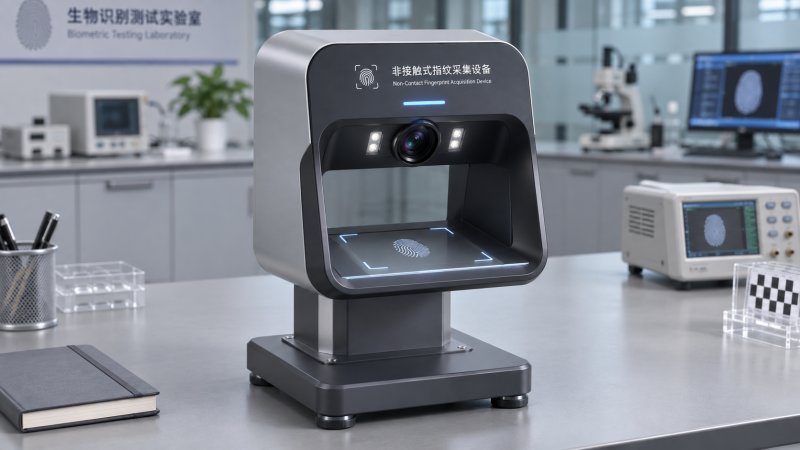
Finger vein recognition technology draws attention in these cases because it reads subcutaneous vein patterns, typically using near-infrared imaging, rather than a surface print left on the skin.
That internal trait changes the security conversation. It can make casual replication harder and improve confidence where decision-makers need stronger identity assurance, not just fast throughput.
How the two biometric methods differ at the core
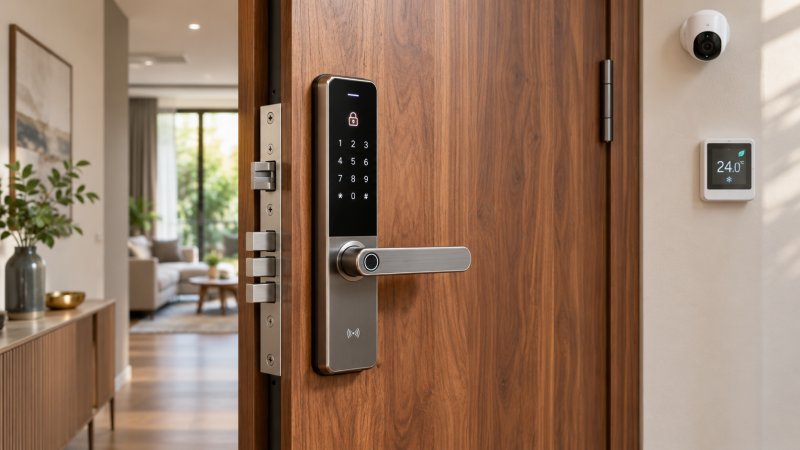
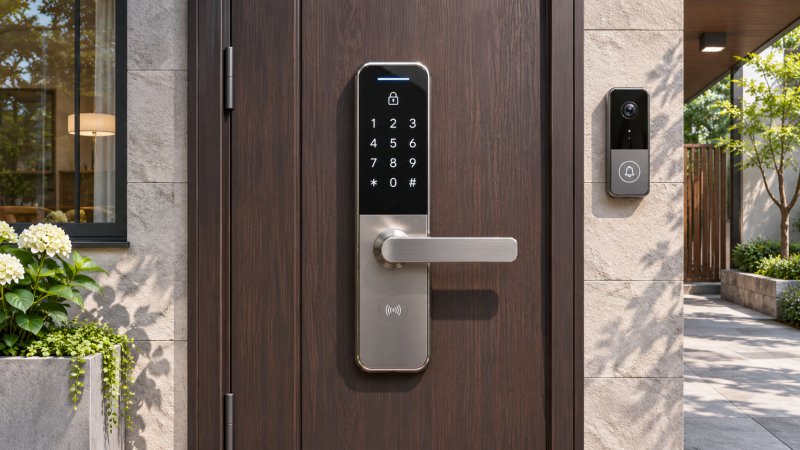
Fingerprint recognition maps ridges and valleys on the skin surface. It is mature, familiar, and supported by a wide supplier base across smart locks, safes, access panels, and building systems.
Finger vein recognition technology captures the vein structure inside the finger. Since the pattern sits beneath the skin, it is less exposed to abrasion, residue, or latent print collection.
In practice, both are biometric identifiers. The operational gap appears in how they handle spoofing, environmental wear, user variability, and the level of assurance expected from the site.
Where fingerprint still makes sense
Fingerprint technology remains practical for many commercial deployments. It is cost-efficient, well understood by installers, and easy to source in locksets, access terminals, and integrated building systems.
It works especially well where traffic is moderate, the threat model is controlled, and user convenience matters as much as security. Office suites, residential amenities, staff-only rooms, and internal storage points are common examples.
The technology has also improved. Better sensors, liveness checks, and software tuning reduce many older weaknesses. A strong fingerprint system is not the same as a low-grade consumer reader.
Still, the decision should reflect the site’s actual attack surface. If a facility stores highly sensitive assets or information, adequacy matters more than familiarity.
Why higher-security sites lean toward finger vein systems
Finger vein recognition technology is often favored where stronger resistance to presentation attacks is required. Since the pattern is internal, copying it is generally more difficult than reproducing a surface fingerprint.
That advantage becomes relevant in sectors where identity fraud carries disproportionate consequences. Financial facilities, critical utilities, research spaces, controlled production zones, and restricted archives fit this profile.
Another benefit is consistency. In environments where hands are dry, worn, dusty, or frequently cleaned, finger vein recognition technology may deliver more stable matching than surface-based scanning.
This does not mean vein readers are flawless. They still depend on sensor quality, enrollment discipline, environmental calibration, and integration logic. But their value rises when security assurance outranks lowest acquisition cost.
The anti-spoofing question
In high-security access control, anti-spoofing is not a marketing phrase. It is a core procurement criterion linked to liability, business interruption risk, and compliance expectations.
Finger vein recognition technology supports that requirement because it usually combines internal pattern capture with liveness-oriented verification. That structure can reduce the appeal of low-effort attacks.
The decision is rarely about the reader alone
Biometric performance should be judged within the full physical security chain. A strong reader attached to a weak door, unstable controller, or poorly managed credential policy will not deliver high-security results.
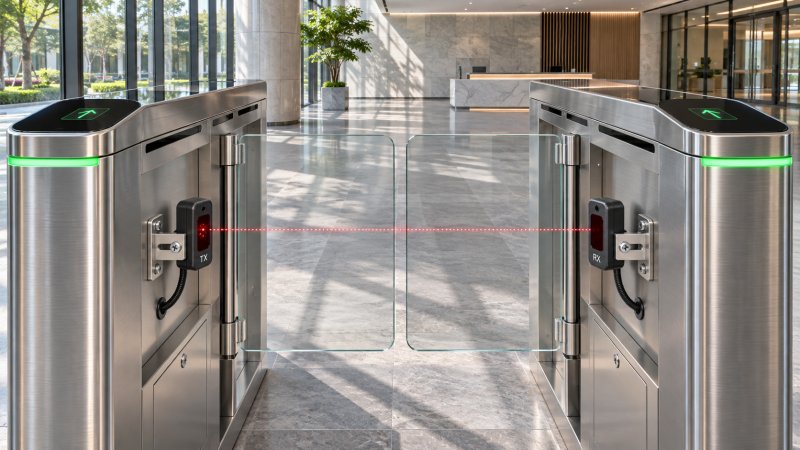
This is where the broader SHPS perspective is useful. Access control outcomes depend on how biometric devices work with lock bodies, secure enclosures, turnstiles, anti-tailgating systems, and event monitoring platforms.
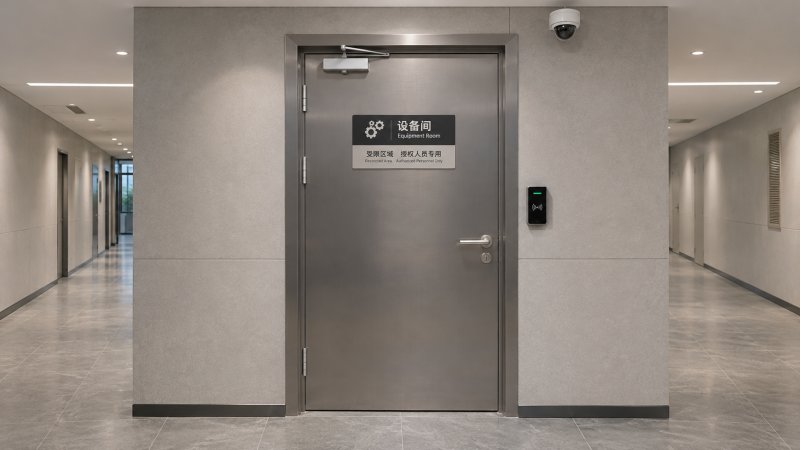
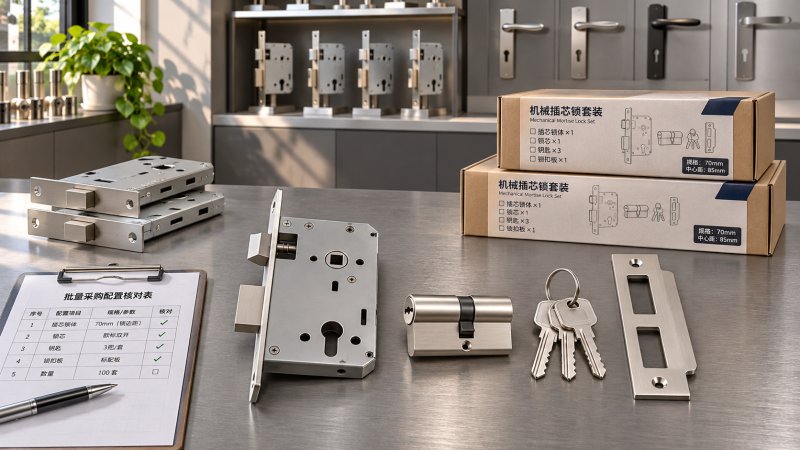
For example, a finger vein terminal at a server room door may need to coordinate with a mechanical fallback lock, entry logs, alarm linkage, and zone-based permission control.
At a high-value storage area, the biometric layer may also be evaluated alongside protective door resistance, lock endurance, and emergency access procedures. The biometric choice is one component of a larger control architecture.
How to judge fit by use case
The most useful comparison is scenario-based. Different sites require different levels of certainty, speed, and operational resilience.
- General office access: fingerprint is often sufficient when supported by sound enrollment and system management.
- Sensitive internal rooms: finger vein recognition technology becomes more attractive where spoofing risk or audit pressure is higher.
- Critical infrastructure: multi-factor access, including finger vein recognition technology, is usually more defensible than single-factor fingerprint entry.
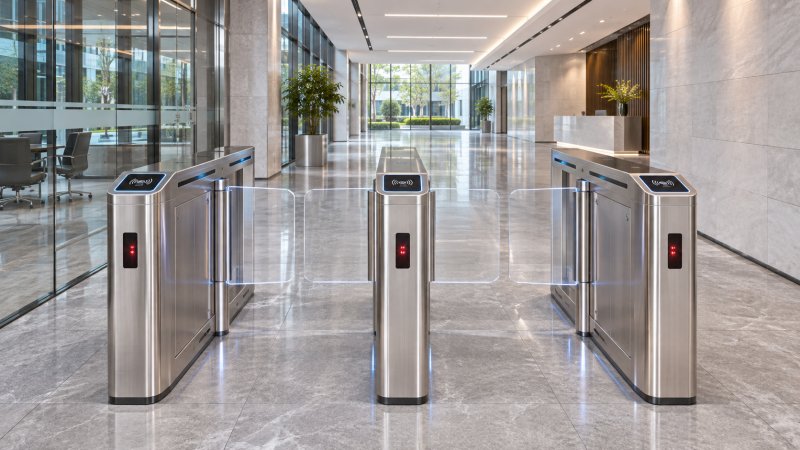
- High-throughput gates: the decision should balance verification depth with throughput, user behavior, and tailgating controls.
- Shared industrial environments: internal vein matching may outperform fingerprint where skin condition affects repeatability.
This approach prevents overbuying and undersecuring at the same time. Not every door needs premium biometrics, but some doors clearly do.
Practical evaluation points before selection
A credible procurement review should look beyond product brochures. The better questions usually relate to security depth, deployment discipline, and lifecycle performance.
- Check false acceptance and false rejection performance under real site conditions, not only laboratory figures.
- Review liveness detection, anti-spoofing design, and whether finger vein recognition technology is validated in comparable facilities.
- Assess integration with access controllers, logs, alarms, turnstiles, and emergency override requirements.
- Confirm enrollment workflow, user capacity, and maintenance demands over long operating cycles.
- Examine compliance readiness, supplier support, and documented reliability in export or regulated markets.
It is also wise to test user acceptance. The strongest system on paper can still fail operationally if enrollment is slow, exceptions are frequent, or fallback procedures are unclear.
A balanced direction for higher-security access control
Fingerprint remains a strong option for many commercial settings. It is efficient, familiar, and capable when matched to moderate-risk applications and supported by reliable hardware.
Finger vein recognition technology stands out when the door protects something that cannot be easily replaced, exposed, or disputed. In those environments, higher assurance can justify higher system complexity.
The most effective next step is to map doors by consequence level, compare biometric options against actual threat scenarios, and evaluate each reader as part of the full physical security system.
That process creates a clearer basis for investment, whether the objective is upgrading one restricted room or standardizing access control across a wider secure infrastructure portfolio.
Have questions about this sector analysis, or seeking best practices specific to your niche? Drop us a line below and let the senior consultants at MHLS assist you.
We respect your privacy. Your information is strictly confidential.
Recommended News
 Physical Security System Engineering: From Risk Assessment to System DesignUnmanned Terminal FellowExplore physical security system engineering, from risk assessment to integrated design, procurement and testing. Build a safer, more resilient facility.
 Apple Home Collection Smart Lock and Other Accessories Open for Preorder November 13Biometric Auth ScientistApple Home Collection preorders open November 13, 2026. Explore the LG smart lock’s Matter and Aliro support and what buyers should verify before ordering.
 Choosing Servo-Driven Flap Barriers: Throughput, Safety and Access ControlAccess Control StrategistServo-driven flap barriers can balance throughput, safety and access control. Discover how to compare lanes, test performance and choose with confidence.
 Parcel Locker Network Pricing: Setup Costs, Fees and Contract TermsUnmanned Terminal FellowCompare parcel locker networks pricing, from setup costs and recurring fees to contract terms. Discover hidden charges and choose the right model.
 JR East Plans UWB Walk-Through Gates at 40 Stations in Spring 2028Access Control StrategistJR East plans UWB walk-through gates at 40 stations in spring 2028. Explore the rollout timeline and what suppliers should watch.
 Bank Vault Security Standards: UL and EN Ratings ExplainedVault Structural ArchitectExplore bank vault security standards and learn how UL 608 classes and EN 1143-1 grades differ, what they test, and how to verify certification before you buy.
 Mechanical Lock Hardware Prices: What Buyers Should Budget for Bulk OrdersMr. Gideon CrossMechanical lock hardware price is just the starting point. Discover what drives bulk-order costs and how to compare supplier quotes with confidence.
 IndexBox Forecasts Steady Global Security Keypad Market Growth Through 2035Dr. Valerius ThorneGlobal security keypad market growth is forecast at 3.3% annually through 2035. Explore the smart home and replacement trends shaping demand.
 Choosing an Infrared Safety Sensors Manufacturer: What Buyers Should CheckUnmanned Terminal FellowChoosing an infrared safety sensors manufacturer? Compare safety evidence, integration, environmental performance and lifecycle costs before you buy.
 Choosing a Security Material Testing Service: What to Check for Lock and Safe MaterialsProf. Elara SterlingChoose a security material testing service with confidence. Learn what to check for lock and safe materials, from attack methods and accreditation to reliable reports.
 How Precision Anti-Pick Lock Cylinders Resist ManipulationSecurity Metallurgy ExpertDiscover how precision anti-pick lock technology resists manipulation, and learn what to check when comparing security features, test evidence, and everyday reliability.
 Dermalog Joins NIST FastCAP Program for Contactless Fingerprint TestingProf. Elara SterlingDermalog joins the NIST FastCAP program for contactless fingerprint testing. Discover what this means for biometric identification and digital identity.