
SASO Mandates NaID and SM4 for Finger Vein Locks
On July 2, 2026, the Saudi Standards, Metrology and Quality Organization (SASO) issued an urgent notice to certified suppliers requiring all finger vein lock products to complete integration with the SASO NaID national identity platform by October 1, 2026, and to use SM4 encryption for end-to-end transmission of biometric templates. For suppliers, access-control manufacturers, project integrators, and procurement teams serving government and large real estate projects, this is a compliance change with direct market-access implications rather than a routine technical update.
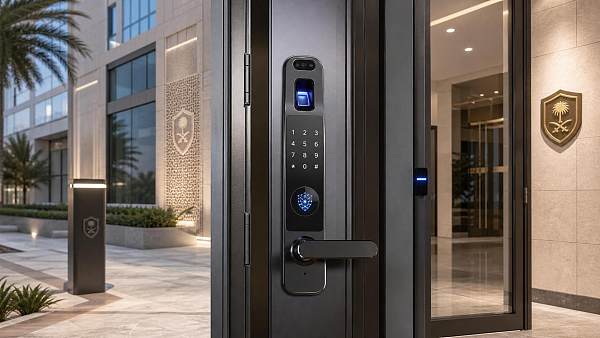
A Clear Compliance Deadline for Finger Vein Lock Products
According to the information provided, SASO sent the urgent notice to certified suppliers on July 2, 2026. The notice states that, from October 1, 2026, all finger vein lock products must be connected to the SASO NaID national identity platform.
The same notice also requires biometric templates to be transmitted with end-to-end encryption using the SM4 algorithm. Products that do not complete the required integration will be removed from the SASO qualified supplier list.
The stated commercial consequence is explicit: removal from that list will directly affect eligibility for government procurement and access to large real estate projects.
Where the Immediate Pressure Falls
Manufacturers and brand owners face a market-access checkpoint
From an industry perspective, manufacturers and brand owners of finger vein locks are the first group affected because the requirement applies at the product level. The immediate pressure is likely to fall on product compliance, interface readiness for NaID connection, and the handling of biometric template transmission under the specified encryption requirement.
What deserves closer attention is that the risk is not limited to technical adjustment. If a product is not connected in time, the consequence described in the notice is loss of standing on the SASO qualified supplier list, which directly affects whether the product can stay in contention for regulated procurement channels.
Integrators and delivery partners may see project execution risks
System integrators, access-control solution providers, and delivery partners may be affected because product eligibility can shape what is installable in active or upcoming projects. The impact is most visible in specification review, project bidding, device selection, and delivery scheduling where compliant product status matters.
Analysis shows that these participants should pay attention to whether currently planned finger vein lock models will remain eligible after October 1, 2026, especially where client acceptance depends on supplier-list status.
Procurement teams and project owners need to reassess approved products
Procurement teams linked to government buying and large real estate projects may also need to revisit approved product lists. The reason is straightforward: the notice ties product compliance to continued access to these channels.
For these buyers, the main issue is not only product performance, but whether the product remains qualified under the new SASO requirement. In practice, that can affect supplier screening, tender conditions, and delivery confidence.
What Companies Should Track Now
The difference between a notice and practical implementation
Analysis shows that companies should distinguish between the confirmed requirement and the practical details of implementation. The confirmed facts are the NaID integration obligation, the SM4 end-to-end encryption requirement, the October 1, 2026 deadline, and the stated consequence of non-compliance. What still requires close follow-up is how these requirements are interpreted in actual certification, acceptance, and procurement workflows.
Product scope and compliance status by model
Companies dealing with multiple access-control product lines should closely review which models fall under the finger vein lock category covered by the notice and whether each relevant model is on track for the required connection and encryption arrangement. This matters because compliance exposure may sit at the model level rather than only at the company level.
Customer communication and bid risk management
Suppliers and project-facing teams should also watch how they communicate product status to customers. Where procurement decisions are approaching, buyers may ask whether a specific model will still qualify after the deadline. That makes documentation, timeline confirmation, and internal alignment between sales, compliance, and technical teams more important.
Delivery planning before and after October 2026
Observably, the timing of the requirement creates a near-term planning issue. Companies involved in supply, installation, or project handover should pay attention to whether delivery schedules, contract commitments, or approval stages extend beyond October 1, 2026, because that may change the compliance position of the products being offered.
Why This Looks Bigger Than a Routine Product Update
Analysis shows that this development is best understood as a regulatory and market-access signal at the intersection of biometric hardware, identity-platform connectivity, and data-transmission controls. It is not merely about adding one more product feature; it links device eligibility to both platform integration and a specified encryption method.
At the same time, it is more appropriate to understand this as a confirmed short-term compliance change with possible longer-term significance, rather than as a fully formed industry outcome. The immediate result is clear for finger vein lock suppliers targeting the affected channels. The broader implications for adjacent product categories or wider access-control practices still require continued observation.
How to Read the Change at This Stage
The current notice matters because it converts technical and identity-system requirements into a direct condition for staying commercially eligible in certain Saudi project channels. For the market, the practical meaning is immediate: compliance readiness for finger vein locks can no longer be treated as separate from project access.
A balanced reading is that this is already a concrete requirement for the named product category, while its broader strategic meaning should still be assessed carefully as more implementation detail becomes visible. For now, it is more appropriate to understand the update as a near-term compliance trigger and a policy signal worth monitoring beyond the initial deadline.
Basis of This Article
This article is based on the user-provided news title, event date, and event summary concerning SASO's July 2, 2026 notice on NaID integration and SM4-encrypted transmission requirements for finger vein locks. The specific official source link was not provided in the input, so further verification is still needed.
For developments of this kind, relevant source types typically include official notices, company announcements, industry association updates, authoritative media coverage, and standard-related documents. The main points that still merit follow-up are any additional official wording, implementation details, and any clarification affecting compliance review, procurement use, and project delivery.
Have questions about this sector analysis, or seeking best practices specific to your niche? Drop us a line below and let the senior consultants at MHLS assist you.
We respect your privacy. Your information is strictly confidential.
Recommended News
 Physical Security Infrastructure Cost: Budgeting for Installation and MaintenanceUnmanned Terminal FellowUnderstand physical security infrastructure cost and build a smarter budget for installation, maintenance, and long-term ownership.
 Financial Facility Security: Choosing Vault Doors for Bank BranchesVault Structural ArchitectStrengthen financial facility security with the right bank vault door. Explore certification, installation, locking controls and maintenance before you buy.
 MACO Acquires Majority Stake in Fingerprint Access Provider ekeyProf. Elara SterlingMACO acquires a majority stake in ekey, bringing fingerprint access and door hardware closer together. Discover what the deal could mean for smart buildings.
 Physical Security System Engineering: From Risk Assessment to System DesignUnmanned Terminal FellowExplore physical security system engineering, from risk assessment to integrated design, procurement and testing. Build a safer, more resilient facility.
 Apple Home Collection Smart Lock and Other Accessories Open for Preorder November 13Biometric Auth ScientistApple Home Collection preorders open November 13, 2026. Explore the LG smart lock’s Matter and Aliro support and what buyers should verify before ordering.
 Choosing Servo-Driven Flap Barriers: Throughput, Safety and Access ControlAccess Control StrategistServo-driven flap barriers can balance throughput, safety and access control. Discover how to compare lanes, test performance and choose with confidence.
 Parcel Locker Network Pricing: Setup Costs, Fees and Contract TermsUnmanned Terminal FellowCompare parcel locker networks pricing, from setup costs and recurring fees to contract terms. Discover hidden charges and choose the right model.
 JR East Plans UWB Walk-Through Gates at 40 Stations in Spring 2028Access Control StrategistJR East plans UWB walk-through gates at 40 stations in spring 2028. Explore the rollout timeline and what suppliers should watch.
 Bank Vault Security Standards: UL and EN Ratings ExplainedVault Structural ArchitectExplore bank vault security standards and learn how UL 608 classes and EN 1143-1 grades differ, what they test, and how to verify certification before you buy.
 Mechanical Lock Hardware Prices: What Buyers Should Budget for Bulk OrdersMr. Gideon CrossMechanical lock hardware price is just the starting point. Discover what drives bulk-order costs and how to compare supplier quotes with confidence.
 IndexBox Forecasts Steady Global Security Keypad Market Growth Through 2035Dr. Valerius ThorneGlobal security keypad market growth is forecast at 3.3% annually through 2035. Explore the smart home and replacement trends shaping demand.
 Choosing an Infrared Safety Sensors Manufacturer: What Buyers Should CheckUnmanned Terminal FellowChoosing an infrared safety sensors manufacturer? Compare safety evidence, integration, environmental performance and lifecycle costs before you buy.











