
Electronic Locking Systems Price Breakdown: What Affects Cost and How to Compare Quotes
Why does electronic locking systems price vary so much?
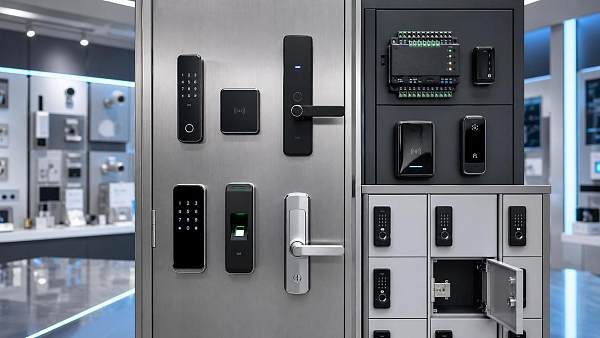
Electronic locking systems price can look inconsistent at first glance. One quote seems basic, while another is several times higher for a similar door or cabinet.
The gap usually comes from what sits behind the lock. Hardware grade, credentials, software, certification, and deployment conditions all change the final number.
In practice, a keypad lock for a back office door is priced very differently from a biometric lock for a restricted room or an IoT locker network.
That is why comparing only unit price creates risk. A lower starting figure may exclude controllers, power supplies, anti-tamper parts, or integration labor.
A more useful approach is to treat electronic locking systems price as a bundle of security performance, operating life, compliance readiness, and service commitment.
Across physical security infrastructure, this matters even more. Locks often connect with safes, parcel lockers, turnstiles, protective doors, and access control platforms.
Sources such as SHPS often frame the market this way: hardware cost is only one layer inside a broader system decision.
What are you actually paying for in a quote?
Most quotes combine visible and hidden cost lines. Some suppliers show them clearly. Others fold them into a single figure.
The visible part usually includes lock bodies, readers, credentials, control units, and management software. Installation accessories may or may not be listed separately.
The hidden part often includes firmware setup, door preparation, wiring routes, battery replacement cycles, cloud fees, and on-site commissioning.
For higher-security projects, certification and testing can move the number significantly. UL, EN, fire door compatibility, and audit trail requirements all affect cost.
Where biometric access is involved, electronic locking systems price may also reflect liveness detection quality, false acceptance performance, and environmental reliability.
That becomes relevant in financial rooms, logistics parcels, controlled storage, and mixed-use buildings where spoofing resistance matters more than convenience alone.
A short checklist helps separate hardware price from total delivered cost:
- Lock hardware and finish grade
- Credential type: PIN, card, mobile, fingerprint, face, vein
- Controller, gateway, or network module
- Software license, cloud subscription, or API access
- Installation, testing, training, and warranty scope
- Compliance documents and third-party certifications
Which technical factors push electronic locking systems price upward?
Not every premium quote is inflated. Often, the higher figure reflects technical choices that change durability, security level, or system complexity.
The first factor is lock architecture. Standalone battery locks usually cost less upfront than wired online systems with central monitoring and real-time event management.
The second factor is door or enclosure type. Metal doors, protective doors, smart lockers, and vault-adjacent applications usually need stronger mechanical compatibility.
The third factor is credential technology. A keypad and card reader are simpler than a system combining fingerprint, mobile credentials, and anti-spoofing detection.
Connectivity also matters. Bluetooth is different from Wi-Fi, RS-485, Zigbee, 4G, or a cloud-managed locker deployment spread across many locations.
Then there is usage intensity. High-cycle commercial entrances, parcel locker compartments, and shared facilities require stronger motors, better housings, and longer tested lifecycles.
Environmental protection adds another layer. Outdoor exposure, dust, humidity, salt air, and temperature swings all influence enclosure design and electronics reliability.
The table below gives a practical way to read price movement before comparing suppliers.
How should two electronic locking systems quotes be compared fairly?
A fair comparison starts with scope alignment. If one supplier includes software and another excludes it, the prices are not comparable.
The same applies to credentials, mounting kits, backup power, and user enrollment tools. Small omissions often become expensive change orders later.
It helps to compare quotes line by line under common headings. Hardware, access method, software, integration, installation, warranty, and ongoing service should be separated.
Ask one practical question for every line: is this included, optional, or assumed? That single check catches many pricing misunderstandings.
Electronic locking systems price should also be read against system intent. A lower-cost offer may fit residential or light-duty use, but fail under commercial traffic.
In sectors tied to insurance, compliance, or controlled access, missing documents can matter as much as missing hardware.
A practical comparison sheet usually includes these checks:
- Does the quote state door count, user count, and event storage limits?
- Are batteries, emergency override, and replacement parts included?
- Is integration with existing access control or building systems confirmed?
- Are cybersecurity updates and firmware responsibilities defined?
- Is after-sales support local, remote, or distributor-based?
Where do buyers usually underestimate total cost?
The most common mistake is focusing on hardware alone. Total ownership cost is shaped by service life, failure rate, maintenance access, and user administration effort.
Battery-powered locks can look economical, yet large deployments may create ongoing replacement labor that was never priced at the start.
Integration is another blind spot. Connecting electronic locks to existing access control, visitor systems, lockers, or emergency release logic often adds engineering hours.
Door condition also matters more than expected. Older frames, protective doors, or mixed hardware standards can require site rework before installation even begins.
For global sourcing, freight, customs, compliance translation, and spare part lead time can reshape the true electronic locking systems price after award.
This is why industry intelligence platforms often emphasize reliability and deployment conditions, not just product catalogs. The cost of one access failure can exceed a small hardware saving.
More subtle risks include:
- Licenses that scale sharply after a user threshold
- Cloud fees billed per site or per device
- Limited warranty covering parts but not labor
- Biometric modules that struggle in dust, glare, or wet conditions
- Mechanical override parts with weak anti-picking performance
What is a sensible next step before approving a supplier?
A useful next step is to convert a broad request into a comparison matrix. That matrix should reflect the real opening, user flow, security level, and operating environment.
Start with application categories. A staff entrance, server room, parcel locker, restricted cabinet, and protective door should not be priced under one generic assumption.
Then confirm the non-negotiables. These may include audit trail depth, anti-tailgating linkage, biometric reliability, emergency egress, fire rating, or remote management.
Once that is clear, ask suppliers to reissue quotes in the same format. Comparable structure makes electronic locking systems price easier to judge and defend internally.
It is also worth asking for evidence, not only claims. Test reports, reference projects, lifecycle data, and failure-response commitments often reveal the stronger offer.
The strongest decision usually comes from balancing three things: mechanical security, electronic reliability, and operating cost over time.
If the project touches smart buildings, safes, lockers, turnstiles, or higher-security infrastructure, cross-checking product fit against broader physical security data becomes even more valuable.
In short, electronic locking systems price makes sense only when the quote is tied to scope, compliance, deployment reality, and lifecycle value. The better next move is careful comparison, not fast comparison.
Have questions about this sector analysis, or seeking best practices specific to your niche? Drop us a line below and let the senior consultants at MHLS assist you.
We respect your privacy. Your information is strictly confidential.
Recommended News
 Financial Facility Security: Choosing Vault Doors for Bank BranchesVault Structural ArchitectStrengthen financial facility security with the right bank vault door. Explore certification, installation, locking controls and maintenance before you buy.
 MACO Acquires Majority Stake in Fingerprint Access Provider ekeyProf. Elara SterlingMACO acquires a majority stake in ekey, bringing fingerprint access and door hardware closer together. Discover what the deal could mean for smart buildings.
 Physical Security System Engineering: From Risk Assessment to System DesignUnmanned Terminal FellowExplore physical security system engineering, from risk assessment to integrated design, procurement and testing. Build a safer, more resilient facility.
 Apple Home Collection Smart Lock and Other Accessories Open for Preorder November 13Biometric Auth ScientistApple Home Collection preorders open November 13, 2026. Explore the LG smart lock’s Matter and Aliro support and what buyers should verify before ordering.
 Choosing Servo-Driven Flap Barriers: Throughput, Safety and Access ControlAccess Control StrategistServo-driven flap barriers can balance throughput, safety and access control. Discover how to compare lanes, test performance and choose with confidence.
 Parcel Locker Network Pricing: Setup Costs, Fees and Contract TermsUnmanned Terminal FellowCompare parcel locker networks pricing, from setup costs and recurring fees to contract terms. Discover hidden charges and choose the right model.
 JR East Plans UWB Walk-Through Gates at 40 Stations in Spring 2028Access Control StrategistJR East plans UWB walk-through gates at 40 stations in spring 2028. Explore the rollout timeline and what suppliers should watch.
 Bank Vault Security Standards: UL and EN Ratings ExplainedVault Structural ArchitectExplore bank vault security standards and learn how UL 608 classes and EN 1143-1 grades differ, what they test, and how to verify certification before you buy.
 Mechanical Lock Hardware Prices: What Buyers Should Budget for Bulk OrdersMr. Gideon CrossMechanical lock hardware price is just the starting point. Discover what drives bulk-order costs and how to compare supplier quotes with confidence.
 IndexBox Forecasts Steady Global Security Keypad Market Growth Through 2035Dr. Valerius ThorneGlobal security keypad market growth is forecast at 3.3% annually through 2035. Explore the smart home and replacement trends shaping demand.
 Choosing an Infrared Safety Sensors Manufacturer: What Buyers Should CheckUnmanned Terminal FellowChoosing an infrared safety sensors manufacturer? Compare safety evidence, integration, environmental performance and lifecycle costs before you buy.
 Choosing a Security Material Testing Service: What to Check for Lock and Safe MaterialsProf. Elara SterlingChoose a security material testing service with confidence. Learn what to check for lock and safe materials, from attack methods and accreditation to reliable reports.











