
Security Hardware Applications in Hotels, Data Rooms, Retail, and Logistics
Security hardware applications are evolving from simple locks and safes into intelligent, layered defense systems for hotels, data rooms, retail environments, and logistics networks. As threats shift from forced entry to identity spoofing, tailgating, parcel theft, and unauthorized access, decision-makers need clear insight into how biometric locks, high-security cylinders, smart lockers, safes, and access control hardware perform in real-world settings. This article explores where these technologies create measurable value, how they reduce operational risk, and why physical security remains the foundation of trust in increasingly automated commercial spaces.
Why Security Hardware Applications Now Require Layered Thinking
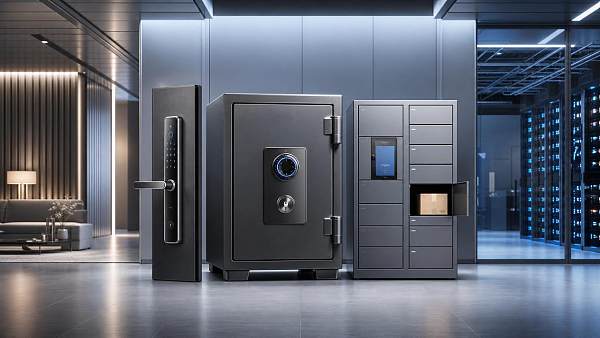
Modern facilities rarely face a single threat. A hotel may manage guest privacy, staff access, cash storage, and emergency evacuation at the same time.
Security hardware applications therefore need mechanical strength, identity verification, access records, and practical maintenance. A strong lock without user discipline still creates operational exposure.
For information researchers, the key question is not which device looks advanced. The better question is which risk must be delayed, detected, or prevented.
The Four Layers Behind Practical Protection
- Physical resistance delays attack through steel structure, anti-drill plates, reinforced bolts, protected hinges, and certified safe bodies.
- Credential assurance confirms whether the person, card, code, mobile key, or biometric signal should be trusted.
- Operational control defines who may open which point, at what time, and under which exception process.
- Event visibility records access attempts, forced entry alerts, locker status, and abnormal door-open duration for later review.
SHPS observes these layers across safes, biometric smart locks, mechanical cylinders, turnstiles, protective doors, and smart parcel lockers. The value lies in integration, not isolated hardware.
Where Different Security Hardware Applications Fit Best
Before comparing products, map the environment. Hotels prioritize frictionless access, while data rooms need strict authorization and auditable entry separation.
Retail sites balance theft prevention with customer flow. Logistics networks need unattended parcel custody, durable outdoor cabinets, and stable connectivity.
The table below summarizes common security hardware applications and the decision logic behind each scenario.
This comparison shows why one specification cannot solve every site. Effective security hardware applications begin with threat modeling, then move into product selection.
Hotel Security: How to Balance Guest Convenience and Control
Hotels are dense access environments. Guests expect fast entry, staff require role-based access, and managers need clear responsibility when disputes occur.
Smart hotel locks can reduce lost-key risk, but the lock body, latch quality, and emergency override design remain essential. Electronics should not mask weak mechanics.
What to Check Before Selecting Hotel Locks
- Confirm whether the mortise structure matches fire doors, acoustic doors, or retrofit wooden doors in the property.
- Review battery replacement cycles, low-power alarms, mechanical key override, and emergency opening procedures.
- Assess whether access records can distinguish guest entry, housekeeping entry, maintenance access, and management override.
- Evaluate corrosion resistance for coastal hotels, humid resorts, kitchens, spas, and exterior service doors.
For premium rooms, biometric smart locks may be appropriate when privacy expectations are high. Finger vein or 3D liveness verification can reduce credential sharing.
Data Rooms: Why Mechanical Resistance Still Matters in Digital Facilities
Data rooms are often described as digital assets, yet their first defense is still a controlled door. Physical access can bypass many network safeguards.
Security hardware applications in data rooms should combine authentication, anti-tailgating, door status monitoring, and resistant lock cylinders. Each layer reduces a different failure mode.
Recommended Control Logic
- Define zones by sensitivity, including public corridor, equipment area, server cage, and emergency technical access path.
- Use stronger authentication for restricted rooms, such as biometric verification plus card or PIN under defined policies.
- Install cylinders and locks that resist drilling, picking, torque attack, and unauthorized key duplication.
- Connect door sensors and access records to incident review procedures, not only to real-time alarms.
Where tailgating risk is high, speed gates, mantrap doors, or interlock control may be more valuable than adding another credential reader.
Retail and Logistics: Preventing Loss Without Slowing Operations
Retail security must protect cash, inventory, staff-only areas, and opening procedures. The main challenge is preventing loss without creating slow daily routines.
For cash rooms and back offices, safes and high-security cylinders create delay. For store floors, access control reduces unauthorized stockroom entry.
Logistics has a different rhythm. Smart lockers must work outdoors, connect with courier platforms, and withstand repeated door cycles throughout the day.
Operational Risks to Prioritize
- Cash exposure increases when staff share keys, delay deposits, or lack clear records for safe access.
- Stockroom losses often come from weak internal control rather than dramatic forced entry events.
- Parcel lockers fail commercially when electronic locks jam, networks drop, or compartments cannot resist vandalism.
- Delivery disputes become harder to resolve without pickup verification, compartment status logs, and exception handling.
In these environments, good security hardware applications should support daily speed, not fight it. A secure process that users avoid becomes a liability.
Procurement Guide: What Should Buyers Compare First?
Buyers often compare visible features first, such as app control, face recognition, or touchscreen design. Serious procurement should begin with failure consequences.
The following table helps information researchers compare security hardware applications using practical procurement dimensions instead of marketing claims.
A strong procurement process converts risk into measurable questions. This also helps compare quotations when budgets are limited and delivery windows are tight.
Standards, Certifications, and Performance Indicators to Understand
Standards help buyers avoid vague claims. They do not replace site assessment, but they create a shared language for resistance and reliability.
For safes and vaults, EN 1143-1 is widely referenced for burglary resistance classification. UL safe testing is also relevant in many markets.
For electronic access products, buyers should also review electrical safety, fire door compatibility, environmental rating, and applicable local building codes.
This table outlines common compliance references connected with security hardware applications across commercial facilities.
The right certificate is useful only when it matches the actual use case. A hotel corridor, a cash office, and an outdoor locker face different stresses.
Common Mistakes That Undermine Security Hardware Applications
Many projects fail not because hardware is weak, but because buyers underestimate installation, access policy, training, and lifecycle management.
Mistake 1: Treating Smart Features as a Substitute for Resistance
A biometric reader cannot compensate for a poorly anchored safe or low-grade cylinder. Attackers often choose the weakest mechanical point.
Mistake 2: Ignoring Emergency Operation
Hotels, data rooms, and logistics sites need emergency access rules. Power loss, battery failure, fire response, and staff turnover must be planned.
Mistake 3: Buying Before Defining User Roles
Access control should reflect real job functions. If every manager gets full authority, the system creates convenience rather than control.
FAQ: Practical Questions from Researchers and Buyers
How do I choose between biometric locks and card-based access?
Use biometric locks when credential sharing is a serious risk, such as executive rooms, data rooms, laboratories, or sensitive storage areas.
Card access remains practical for high-turnover staff or guest environments, provided lost-card cancellation and audit records are managed properly.
Are high-security safes necessary for retail stores?
They are valuable when stores hold cash, jewelry, pharmaceuticals, electronics, or regulated documents. The rating should reflect asset value and insurance expectations.
What matters most when buying smart parcel lockers?
Focus on lock cycle reliability, compartment design, weather resistance, network stability, backend integration, and service access for rapid replacement.
Can one supplier cover all security hardware applications?
A single supplier may cover multiple categories, but buyers should still compare mechanical strength, electronics, compliance documents, and deployment support separately.
Trends: From Isolated Locks to Intelligent Physical Defense
The next phase of security hardware applications will connect stronger materials with smarter verification. Mechanical defense and algorithmic identity will develop together.
Near-infrared vein recognition, 3D liveness detection, anti-torque lock bodies, and connected lockers show how physical security is becoming more precise.
At the same time, buyers will demand simpler management. The winning systems will reduce friction while increasing visibility and resistance.
Why Choose SHPS for Security Hardware Research and Selection
SHPS focuses on the intersection of indestructible materials and intelligent access. Our perspective covers safes, smart locks, cylinders, turnstiles, and lockers.
For researchers and procurement teams, we help convert broad security hardware applications into specific questions about risk level, rating targets, deployment conditions, and lifecycle cost.
You can consult SHPS for parameter confirmation, product category comparison, certification interpretation, sample evaluation, delivery-cycle discussion, and custom solution planning.
Whether your project involves a hotel retrofit, a restricted data room, a retail cash office, or a last-mile locker network, structured selection reduces uncertainty before purchase.
Have questions about this sector analysis, or seeking best practices specific to your niche? Drop us a line below and let the senior consultants at MHLS assist you.
We respect your privacy. Your information is strictly confidential.
Recommended News
 Physical Security Infrastructure Cost: Budgeting for Installation and MaintenanceUnmanned Terminal FellowUnderstand physical security infrastructure cost and build a smarter budget for installation, maintenance, and long-term ownership.
 Financial Facility Security: Choosing Vault Doors for Bank BranchesVault Structural ArchitectStrengthen financial facility security with the right bank vault door. Explore certification, installation, locking controls and maintenance before you buy.
 MACO Acquires Majority Stake in Fingerprint Access Provider ekeyProf. Elara SterlingMACO acquires a majority stake in ekey, bringing fingerprint access and door hardware closer together. Discover what the deal could mean for smart buildings.
 Physical Security System Engineering: From Risk Assessment to System DesignUnmanned Terminal FellowExplore physical security system engineering, from risk assessment to integrated design, procurement and testing. Build a safer, more resilient facility.
 Apple Home Collection Smart Lock and Other Accessories Open for Preorder November 13Biometric Auth ScientistApple Home Collection preorders open November 13, 2026. Explore the LG smart lock’s Matter and Aliro support and what buyers should verify before ordering.
 Choosing Servo-Driven Flap Barriers: Throughput, Safety and Access ControlAccess Control StrategistServo-driven flap barriers can balance throughput, safety and access control. Discover how to compare lanes, test performance and choose with confidence.
 Parcel Locker Network Pricing: Setup Costs, Fees and Contract TermsUnmanned Terminal FellowCompare parcel locker networks pricing, from setup costs and recurring fees to contract terms. Discover hidden charges and choose the right model.
 JR East Plans UWB Walk-Through Gates at 40 Stations in Spring 2028Access Control StrategistJR East plans UWB walk-through gates at 40 stations in spring 2028. Explore the rollout timeline and what suppliers should watch.
 Bank Vault Security Standards: UL and EN Ratings ExplainedVault Structural ArchitectExplore bank vault security standards and learn how UL 608 classes and EN 1143-1 grades differ, what they test, and how to verify certification before you buy.
 Mechanical Lock Hardware Prices: What Buyers Should Budget for Bulk OrdersMr. Gideon CrossMechanical lock hardware price is just the starting point. Discover what drives bulk-order costs and how to compare supplier quotes with confidence.
 IndexBox Forecasts Steady Global Security Keypad Market Growth Through 2035Dr. Valerius ThorneGlobal security keypad market growth is forecast at 3.3% annually through 2035. Explore the smart home and replacement trends shaping demand.
 Choosing an Infrared Safety Sensors Manufacturer: What Buyers Should CheckUnmanned Terminal FellowChoosing an infrared safety sensors manufacturer? Compare safety evidence, integration, environmental performance and lifecycle costs before you buy.











