
Smart Access Technology vs Traditional Locks: Where Each Fits Best
For technical evaluators, the debate around smart access technology versus traditional locks is no longer a simple choice between convenience and durability.
Modern facilities, homes, logistics nodes, and high-security environments need layered protection, combining authentication, mechanical resistance, audit trails, and fail-safe operation.
This article explains where each approach fits best, helping match lock architecture to risk, behavior, compliance, and long-term reliability.
Scenario Background: Why Smart Access Technology and Traditional Locks Now Coexist
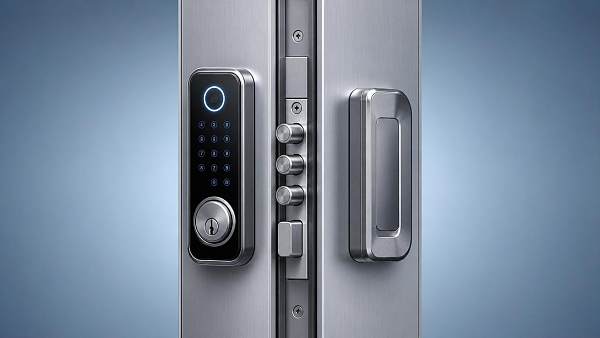
Traditional locks protect by resisting force, manipulation, drilling, bumping, picking, and unauthorized key duplication.
Smart access technology protects by controlling identity, permission, timing, remote authorization, and access records.
In many real sites, the strongest solution is not one side replacing the other.
It is electronic intelligence anchored to a hardened mechanical core.
A biometric door lock still needs a deadbolt, latch, strike plate, and cylinder architecture.
A high-security safe may use digital audit controls while relying on composite steel and certified burglary resistance.
Smart access technology changes who can enter, when they enter, and how activity is verified.
Traditional locks determine how long the barrier survives when electronics fail or attackers bring tools.
Residential Entry: When Convenience Needs a Mechanical Backup
Homes often favor smart access technology because daily entry is repetitive, time-sensitive, and shared among family members.
PIN codes, fingerprint recognition, mobile credentials, and temporary visitor passwords reduce key loss and copying risks.
This scenario fits apartments, townhouses, rental units, and smart home ecosystems requiring frictionless secure access.
However, traditional locks still matter when batteries drain, wireless networks drop, or electronic modules suffer environmental stress.
The best residential setup uses smart access technology over a certified cylinder and a properly installed deadbolt.
Look for anti-peep PIN entry, emergency power terminals, tamper alarms, and mechanical override protection.
Commercial Offices: Where Auditability Becomes the Main Requirement
Office environments usually need more than opening and closing a door.
They require identity management, employee onboarding, visitor control, time schedules, and access logs.
Smart access technology performs well where permissions change frequently and doors must support centralized administration.
Card readers, mobile credentials, facial recognition gates, and cloud dashboards simplify operational control.
Traditional locks become less efficient when every role change requires retrieving, replacing, or rekeying physical keys.
Still, mechanical cylinders remain valuable for server rooms, fire-rated doors, maintenance overrides, and emergency access planning.
For offices, smart access technology should be paired with door hardware rated for traffic volume and closing force.
High-Security Safes and Vaults: Where Physical Resistance Leads
Safes, vaults, cash rooms, and evidence storage prioritize attack delay above convenience.
Here, traditional locking principles remain central because attackers may use drills, torches, grinders, wedges, or impact tools.
Certified safe locks, relockers, hardened plates, composite barriers, and anti-drill structures create measurable resistance.
Smart access technology can improve accountability through dual control, timed access, event logs, and remote supervision.
It should not weaken the mechanical protection envelope or create a bypassable electronic path.
In vault scenarios, select solutions tested against recognized burglary and manipulation standards.
The right question is not whether smart access technology is modern enough.
The question is whether it preserves certified resistance while adding controlled authorization.
Logistics and Parcel Lockers: Where Remote Control Wins
Parcel lockers, pickup stations, warehouse cages, and delivery rooms depend on distributed access.
Keys are impractical when many couriers, customers, operators, and service teams interact with shared compartments.
Smart access technology fits this scenario because credentials can be generated, expired, logged, and synchronized automatically.
Electronic locks, QR codes, one-time PINs, IoT modules, and status sensors make delivery workflows traceable.
Traditional locks may still protect maintenance panels, master cabinets, and emergency release mechanisms.
The decision should include enclosure strength, weather protection, network fallback, and vandal resistance.
In logistics, smart access technology is strongest when it reduces disputes and protects chain-of-custody records.
Industrial and Utility Sites: Where Reliability Defines the Fit
Factories, substations, telecom shelters, and utility cabinets face dust, moisture, vibration, heat, and long service intervals.
Traditional locks remain useful where power is limited and access is infrequent.
High-grade padlocks, mechanical cylinders, and weather-sealed hasps can survive harsh exposure with minimal maintenance.
Smart access technology becomes valuable when sites need contractor tracking, remote unlock requests, or restricted maintenance windows.
Battery strategy, ingress protection, offline credentials, and corrosion-resistant hardware become critical selection factors.
The best architecture often uses smart access technology at controlled perimeters and robust traditional locks on low-frequency assets.
Different Scenario Demands: A Practical Comparison
This comparison shows why lock decisions should start with the environment, not with the device category.
Smart access technology adds visibility and control, while traditional locks preserve physical certainty.
Scenario Fit Recommendations: How to Choose Without Overbuilding
- Use smart access technology where users change often, permissions are temporary, or audit records reduce risk.
- Use traditional locks where access is rare, power is unreliable, or physical attack delay is the core requirement.
- Use hybrid systems where convenience and forced-entry resistance must work together.
- Match biometric smart locks with liveness detection, encrypted storage, and privacy-aware credential handling.
- Match mechanical cylinders with anti-pick, anti-drill, anti-bump, and controlled keyway features.
- Check door alignment, frame strength, hinges, and strike reinforcement before upgrading lock electronics.
Overbuilding creates cost and maintenance pressure.
Underbuilding creates blind spots that attackers, tenants, couriers, or unauthorized insiders may exploit.
Common Misjudgments That Weaken Access Security
One common mistake is treating smart access technology as a complete physical barrier.
If the door leaf, frame, or latch is weak, electronic authentication cannot stop forced entry.
Another mistake is assuming traditional locks are maintenance-free forever.
Cylinders wear, keys spread, lubrication fails, and unauthorized duplicates may circulate unnoticed.
A third mistake is ignoring emergency behavior.
Locks must support evacuation, fire-code requirements, authorized override, and recovery after power or network failures.
A fourth mistake is focusing only on entry speed.
Fast access is useful, but tailgating, credential sharing, and poor audit review can undermine the entire system.
Smart access technology should be selected with cybersecurity, firmware updates, encryption, and administrative discipline in mind.
Layered Design: The Strongest Answer Is Usually Not Either-Or
The best security architecture assigns each lock type to the job it performs best.
Smart access technology handles identity, convenience, automation, and evidence.
Traditional locks handle mechanical resistance, independent operation, and tool-based attack delay.
Biometric smart locks, smart parcel lockers, speed gates, and connected cylinders expand operational intelligence.
Hardened deadbolts, safes, vault doors, and high-security cylinders preserve the physical baseline.
This layered view is especially important for sites that protect wealth, privacy, inventory, evidence, or critical infrastructure.
In those settings, failure is not only inconvenient.
It may create financial loss, regulatory exposure, operational disruption, or personal safety risks.
Action Guide: Build a Lock Strategy Around Real Risk
- Map every access point by user volume, asset value, exposure, and emergency requirements.
- Separate convenience needs from forced-entry resistance needs before choosing devices.
- Apply smart access technology where visibility, credential control, and automation create measurable value.
- Keep traditional locks where certification, simplicity, and rugged independence are more important.
- Test fallback processes, including battery failure, network outage, lost credentials, and emergency override.
- Review access logs, key control records, maintenance intervals, and tamper events regularly.
Smart access technology and traditional locks serve different layers of the same protection mission.
Use the first to control access intelligently, and the second to preserve a hardened physical boundary.
When both are matched to scenario demands, security becomes more usable, more accountable, and more resilient.
For the next step, evaluate each door, locker, cabinet, safe, and gate against its real operating risk.
Then select smart access technology, traditional hardware, or a hybrid system based on evidence instead of assumption.
Have questions about this sector analysis, or seeking best practices specific to your niche? Drop us a line below and let the senior consultants at MHLS assist you.
We respect your privacy. Your information is strictly confidential.
Recommended News
 Physical Security System Engineering: From Risk Assessment to System DesignUnmanned Terminal FellowExplore physical security system engineering, from risk assessment to integrated design, procurement and testing. Build a safer, more resilient facility.
 Apple Home Collection Smart Lock and Other Accessories Open for Preorder November 13Biometric Auth ScientistApple Home Collection preorders open November 13, 2026. Explore the LG smart lock’s Matter and Aliro support and what buyers should verify before ordering.
 Choosing Servo-Driven Flap Barriers: Throughput, Safety and Access ControlAccess Control StrategistServo-driven flap barriers can balance throughput, safety and access control. Discover how to compare lanes, test performance and choose with confidence.
 Parcel Locker Network Pricing: Setup Costs, Fees and Contract TermsUnmanned Terminal FellowCompare parcel locker networks pricing, from setup costs and recurring fees to contract terms. Discover hidden charges and choose the right model.
 JR East Plans UWB Walk-Through Gates at 40 Stations in Spring 2028Access Control StrategistJR East plans UWB walk-through gates at 40 stations in spring 2028. Explore the rollout timeline and what suppliers should watch.
 Bank Vault Security Standards: UL and EN Ratings ExplainedVault Structural ArchitectExplore bank vault security standards and learn how UL 608 classes and EN 1143-1 grades differ, what they test, and how to verify certification before you buy.
 Mechanical Lock Hardware Prices: What Buyers Should Budget for Bulk OrdersMr. Gideon CrossMechanical lock hardware price is just the starting point. Discover what drives bulk-order costs and how to compare supplier quotes with confidence.
 IndexBox Forecasts Steady Global Security Keypad Market Growth Through 2035Dr. Valerius ThorneGlobal security keypad market growth is forecast at 3.3% annually through 2035. Explore the smart home and replacement trends shaping demand.
 Choosing an Infrared Safety Sensors Manufacturer: What Buyers Should CheckUnmanned Terminal FellowChoosing an infrared safety sensors manufacturer? Compare safety evidence, integration, environmental performance and lifecycle costs before you buy.
 Choosing a Security Material Testing Service: What to Check for Lock and Safe MaterialsProf. Elara SterlingChoose a security material testing service with confidence. Learn what to check for lock and safe materials, from attack methods and accreditation to reliable reports.
 How Precision Anti-Pick Lock Cylinders Resist ManipulationSecurity Metallurgy ExpertDiscover how precision anti-pick lock technology resists manipulation, and learn what to check when comparing security features, test evidence, and everyday reliability.
 Dermalog Joins NIST FastCAP Program for Contactless Fingerprint TestingProf. Elara SterlingDermalog joins the NIST FastCAP program for contactless fingerprint testing. Discover what this means for biometric identification and digital identity.











