Smart Lock Integration UK: What to Check for PMS, API, and Building Access Compatibility
Smart lock integration UK projects often look straightforward during product selection, then become difficult when software, doors, and access workflows meet real buildings. The issue is rarely the lock alone. It is the fit between property systems, API behaviour, credential rules, door hardware, and compliance duties.
That is why early technical review matters. In hotels, serviced apartments, build-to-rent sites, offices, and mixed-use properties, the value of a smart lock depends on reliable data exchange and predictable access control. A good deployment should reduce operational friction without creating new failure points.
Where Smart Lock Integration UK Usually Succeeds or Fails

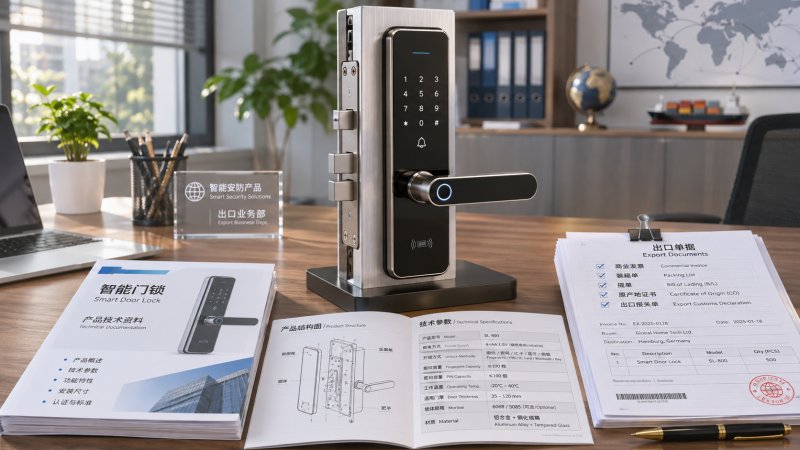
At a basic level, smart lock integration links a physical locking device with software that manages users, permissions, timing, and audit records. In the UK market, this often means tying door access to PMS platforms, mobile apps, booking engines, staff systems, or wider building access platforms.
The common failure point is the last mile. Credentials may be created correctly in software, yet fail to reach the lock at the right time. A retrofit may look possible on paper, but clash with the existing mortise, fire door certification, or escape hardware.
From a security infrastructure perspective, this is exactly where physical security and digital integration converge. Platforms such as SHPS track this overlap because building security now depends on both mechanical resilience and dependable system interoperability.
PMS Integration Is More Than a Booking Connection
For hospitality and short-stay environments, PMS compatibility is often the first requirement in smart lock integration UK decisions. Yet a supplier claim of “PMS integration supported” is not enough. The practical question is how deep, stable, and controllable that connection really is.
The review should begin with the event flow. Reservation created, check-in confirmed, room reassigned, stay extended, early departure, cancellation, and post-checkout revocation should all trigger the right access behaviour.
It also matters whether the lock platform supports two-way communication or only basic credential issuing. In a limited integration, the PMS may send guest data once, while the lock system does not return status, exceptions, or door events in a useful format.
Questions worth verifying during PMS review
- Which PMS brands are already deployed in the UK, and are those integrations production-proven rather than newly developed?
- Does the integration support automatic room move, split stay, and late checkout handling?
- How are failed sync events logged, retried, and reported?
- Can site teams issue fallback credentials manually without breaking audit trails?
- Is offline access still possible when PMS or network services are temporarily unavailable?
A reliable PMS connection should support operations, not just automation demos. If the property cannot recover quickly from sync failures, the system may increase front-desk workload rather than reduce it.
API Quality Often Determines Long-Term Flexibility
Across the wider smart lock integration UK landscape, API quality is becoming a stronger selection factor than app design or brochure features. Properties increasingly want access control to connect with CRM tools, building management platforms, visitor flows, parcel lockers, and analytics layers.
An API should therefore be treated as operational infrastructure. The important checks are not only whether an API exists, but how it behaves under load, how version changes are handled, and how credentials are protected across the stack.
What separates a usable API from a risky one
Good API design also supports supplier independence. If a platform exposes clean documentation, sandbox access, and realistic error handling, future integration work is far easier. That matters for owners planning phased upgrades across multiple sites.
Building Access Compatibility Starts with the Door, Not the Dashboard
Many smart lock integration UK delays come from physical compatibility gaps. A lock may support mobile credentials and cloud control, but still be unsuitable for the installed door set. Door thickness, handing, backset, escape hardware, frame condition, and cable routing all influence viability.
Retrofit assumptions deserve particular caution. UK buildings often include mixed door types across one estate, from timber flat entrance doors to aluminium commercial doors and certified fire doors. A product that fits one category may require adapters, replacement hardware, or recertification in another.
Physical checks that should happen early
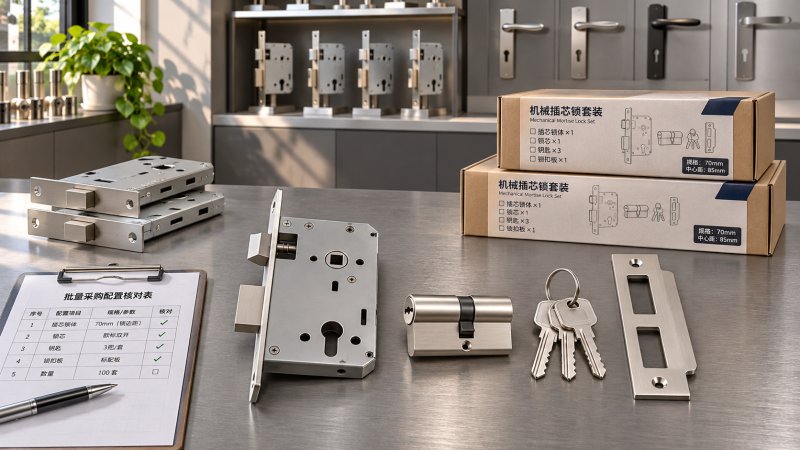
- Existing lockcase, cylinder, handle set, and latch arrangement
- Fire door status and whether the upgrade affects certified performance
- Emergency egress requirements and free exit rules
- Power method, battery replacement access, and low-power behaviour
- Weather exposure for external doors and IP rating suitability
- Need for mechanical override and cylinder security level
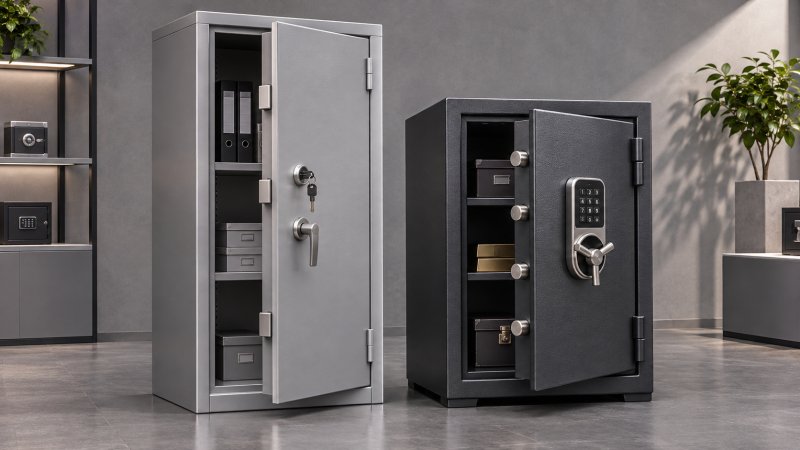
This is where broader SHPS market knowledge becomes relevant. Smart credentials do not replace the importance of lock bodies, anti-picking cylinders, protective doors, or access perimeter control. They have to work together.
Credentials, User Journeys, and Security Logic Need to Align
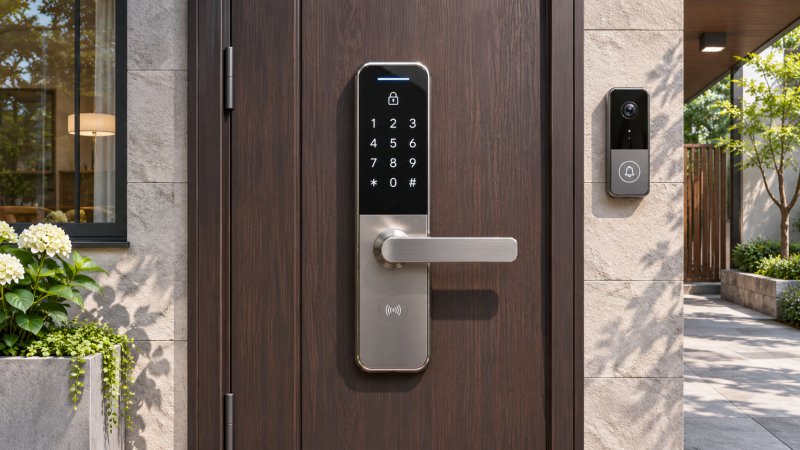
A smart lock can issue PINs, cards, mobile keys, biometric permissions, or temporary remote access. The correct choice depends on site workflow and risk profile, not on feature count. In practice, the strongest deployments use credential methods that match the actual user journey.
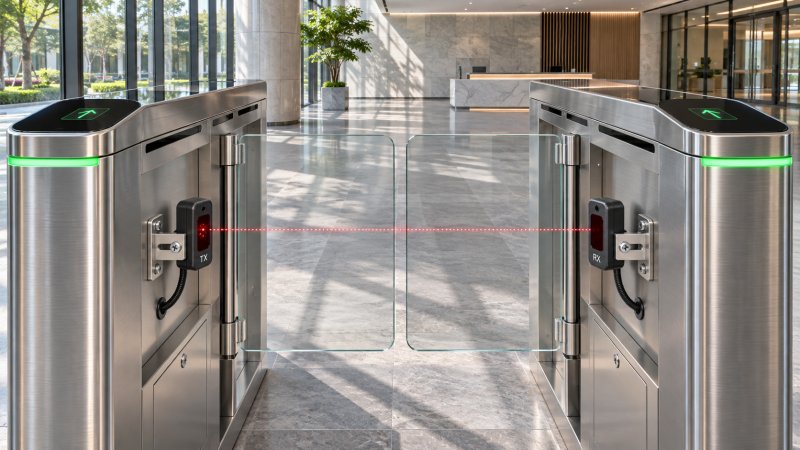
For example, a short-stay property may prioritise time-bound mobile keys and automated revocation. A managed residential scheme may need resident apps, contractor access windows, and parcel room permissions. An office site may require tighter links with turnstiles, lifts, and visitor check-in.
The key point in smart lock integration UK evaluation is consistency. Credential creation, delivery, update, suspension, and revocation should behave the same way across all controlled doors. Inconsistent logic creates both complaints and security gaps.
Compliance and Resilience Should Sit Inside the Technical Review
Building access decisions in the UK are shaped by more than convenience. Fire safety, means of escape, data protection, cyber hygiene, and insurer expectations all affect what can be deployed. A technically elegant integration can still fail governance review if those issues are left too late.
Resilience is equally important. Ask what happens during battery depletion, cloud outage, local network loss, or PMS downtime. Also check how the system records attempted access during those periods and how it restores state when services recover.
Useful review points for resilience
- Documented offline mode and recovery process
- Battery life assumptions based on real traffic, not lab estimates
- Alerting for low battery, failed sync, and repeated denied access
- Local override controls with clear authority rules
- Evidence of penetration testing or cyber review for cloud components
These checks are practical rather than theoretical. They influence service continuity, dispute handling, and trust in the system after handover.
Multi-Site Deployment Changes the Evaluation Standard
A single-site pilot may hide scaling issues. Once a portfolio expands, smart lock integration UK decisions need to account for template management, role structures, firmware control, reporting consistency, and supplier support capacity.
Portfolio operators usually benefit from a platform that can standardise policy while allowing local exceptions. That includes common credential rules, central audit exports, and controlled API access for approved partners.
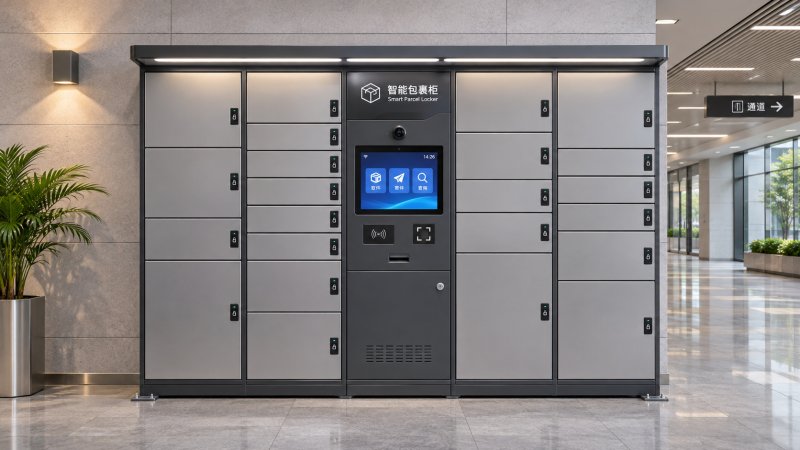
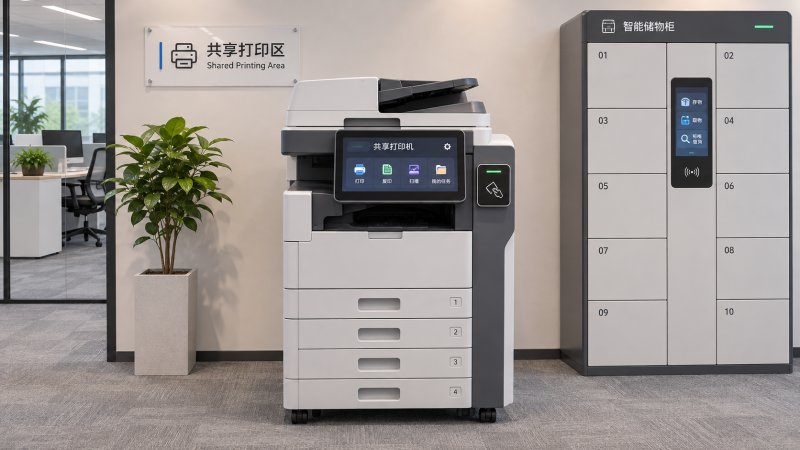
This is also where comparison across adjacent physical security systems becomes useful. Access control, smart parcel lockers, protective entrances, and perimeter flow tools increasingly sit within one operating model. The lock should fit that model, not fragment it.
A Practical Shortlist Before Selection
Before moving from evaluation to procurement, it helps to reduce the decision to a shortlist of evidence-based checks. That creates a clearer basis for supplier comparison and pilot design.
- Map every access event that must sync with PMS or business software
- Request API documentation, sandbox access, and incident handling detail
- Survey installed doors, frames, and certified hardware before pricing assumptions
- Confirm fallback access methods for outage and maintenance scenarios
- Test audit logs, revocation timing, and exception reporting in a live workflow
- Review whether the platform can scale across sites without manual workarounds
The strongest smart lock integration UK decisions usually come from this kind of structured review. It turns a feature comparison into a deployment judgement grounded in physical security, software reliability, and operational fit.
A sensible next step is to build a site-specific checklist covering PMS events, API dependencies, door conditions, compliance constraints, and recovery procedures. That makes it easier to compare options on evidence, not presentation.
Have questions about this sector analysis, or seeking best practices specific to your niche? Drop us a line below and let the senior consultants at MHLS assist you.
We respect your privacy. Your information is strictly confidential.
Recommended News
 Parcel Locker Network Pricing: Setup Costs, Fees and Contract TermsUnmanned Terminal FellowCompare parcel locker networks pricing, from setup costs and recurring fees to contract terms. Discover hidden charges and choose the right model.
 JR East Plans UWB Walk-Through Gates at 40 Stations in Spring 2028Access Control StrategistJR East plans UWB walk-through gates at 40 stations in spring 2028. Explore the rollout timeline and what suppliers should watch.
 Bank Vault Security Standards: UL and EN Ratings ExplainedVault Structural ArchitectExplore bank vault security standards and learn how UL 608 classes and EN 1143-1 grades differ, what they test, and how to verify certification before you buy.
 Mechanical Lock Hardware Prices: What Buyers Should Budget for Bulk OrdersMr. Gideon CrossMechanical lock hardware price is just the starting point. Discover what drives bulk-order costs and how to compare supplier quotes with confidence.
 IndexBox Forecasts Steady Global Security Keypad Market Growth Through 2035Dr. Valerius ThorneGlobal security keypad market growth is forecast at 3.3% annually through 2035. Explore the smart home and replacement trends shaping demand.
 Choosing an Infrared Safety Sensors Manufacturer: What Buyers Should CheckUnmanned Terminal FellowChoosing an infrared safety sensors manufacturer? Compare safety evidence, integration, environmental performance and lifecycle costs before you buy.
 Choosing a Security Material Testing Service: What to Check for Lock and Safe MaterialsProf. Elara SterlingChoose a security material testing service with confidence. Learn what to check for lock and safe materials, from attack methods and accreditation to reliable reports.
 How Precision Anti-Pick Lock Cylinders Resist ManipulationSecurity Metallurgy ExpertDiscover how precision anti-pick lock technology resists manipulation, and learn what to check when comparing security features, test evidence, and everyday reliability.
 Dermalog Joins NIST FastCAP Program for Contactless Fingerprint TestingProf. Elara SterlingDermalog joins the NIST FastCAP program for contactless fingerprint testing. Discover what this means for biometric identification and digital identity.
 Choosing Security Export Compliance Services: What Providers Should CoverMr. Gideon CrossSecurity export compliance services can help prevent costly delays. Discover what to look for in classification, licensing, screening, and documentation.
 European Security Compliance Standards for Safes: EN 1143-1 vs EN 14450Dr. Valerius ThorneExplore security compliance standards Europe buyers need to know. Compare EN 1143-1 and EN 14450 to choose the right safe with confidence.
 HID Global Acquires inepro ID to Expand RFID and BLE Access SolutionsUnmanned Terminal FellowHID Global acquires inepro ID to expand RFID and BLE access solutions for printers, smart lockers and shared devices. Explore what the deal could mean for your organization.