Anti-Theft Lock Technology Price: What Drives Cost in Commercial Access Systems?
Why does anti-theft lock technology price vary so much in commercial access systems?
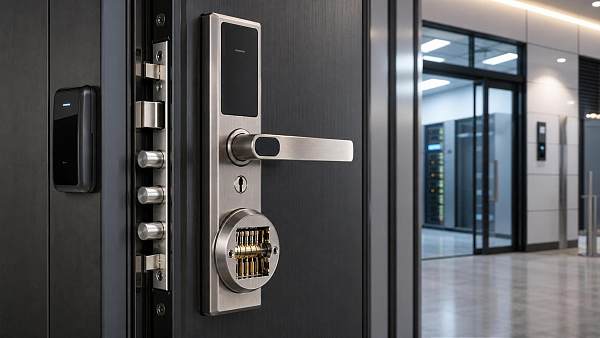
Anti-theft lock technology price often looks simple at first glance. In practice, it reflects security depth, testing standards, integration needs, and future service burden.
That matters in offices, logistics sites, mixed-use buildings, equipment rooms, and restricted zones. A lower unit price can still create a higher total cost later.
The more useful question is not, “What is the cheapest lock?” It is, “What level of resistance, uptime, and compatibility does this site actually need?”
Across the SHPS intelligence landscape, lock pricing is tied to physical security engineering, anti-picking mechanics, smart access control, compliance evidence, and deployment complexity.
So when comparing anti-theft lock technology price, it helps to separate visible hardware cost from hidden exposure. That is where many budget mistakes begin.
Is anti-theft lock technology price mainly about hardware, or about risk reduction?
It is both, but risk reduction usually explains the bigger price gap. Two locks may look similar externally while offering very different attack resistance.
Mechanical design is a major cost driver. Pin-in-pin structures, anti-bump geometry, reinforced lock bodies, hardened inserts, and anti-drill shielding all increase manufacturing complexity.
Material choices matter just as much. A cylinder using higher-grade alloys, wear-resistant components, and tighter machining tolerances usually costs more because it lasts longer under repeated commercial use.
Certification also raises the anti-theft lock technology price. Products backed by recognized burglary, durability, fire, or access-control testing usually carry added lab, redesign, and documentation expense.
In real projects, that extra cost is often buying predictability. It reduces uncertainty around forced-entry resistance, false acceptance risk, maintenance intervals, and insurer acceptance.
This is why commercial buyers rarely evaluate lock price as a standalone number. They evaluate whether the security level fits the consequences of failure.
Which components usually push anti-theft lock technology price upward?
Several elements raise cost, but they do not all matter equally for every site. More common price drivers are technical rather than cosmetic.
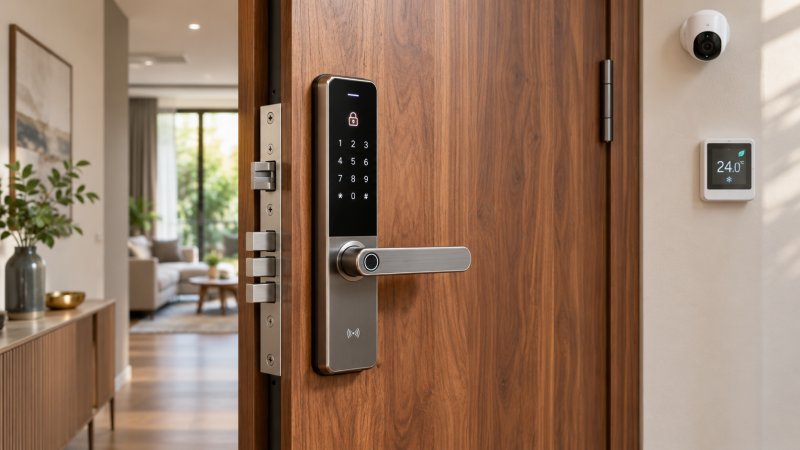
- Higher security cylinders with anti-picking, anti-drilling, and anti-snapping protection.
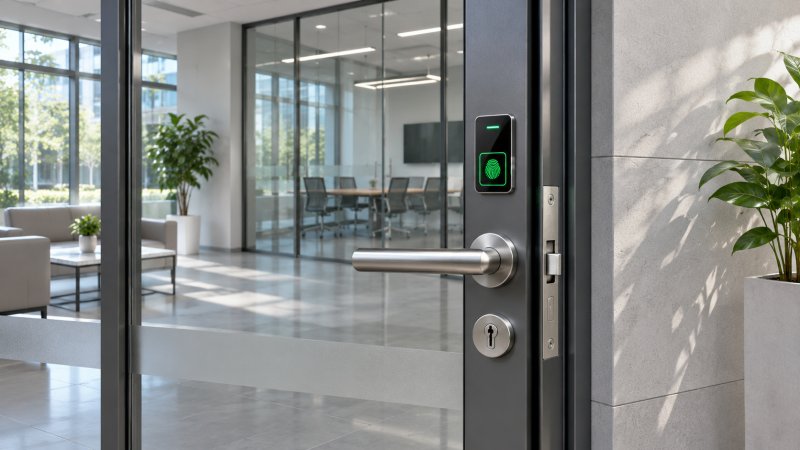
- Smart credentials such as biometrics, encrypted mobile keys, or multi-factor access.
- Integration with access control platforms, audit trails, alarms, or building management systems.
- Outdoor or harsh-environment design for dust, humidity, corrosion, or temperature variation.
- Certification, traceability, firmware maintenance, and documented quality control.
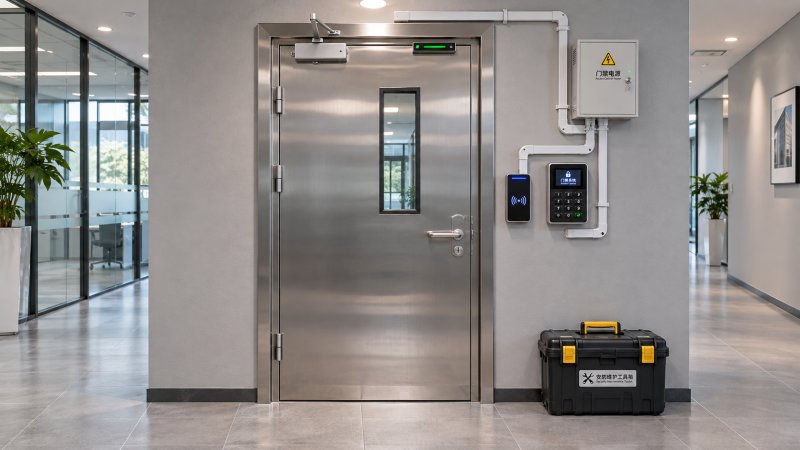
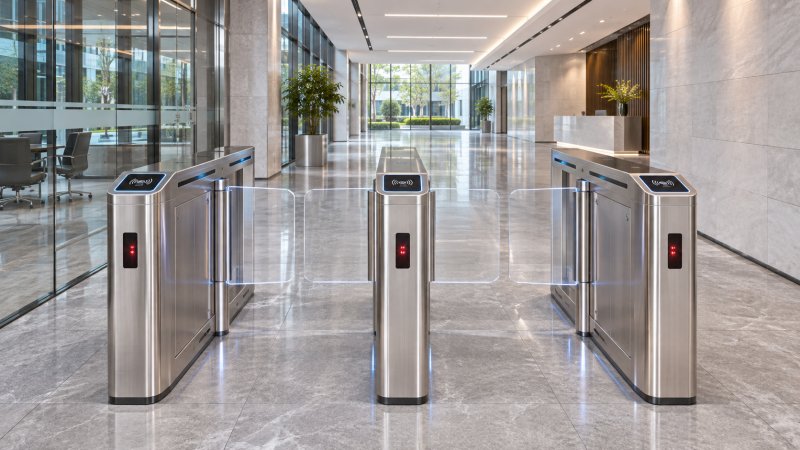
There is also a difference between standalone locks and access-system-ready locks. Once a product must communicate with readers, controllers, lockers, turnstiles, or remote platforms, price rises quickly.
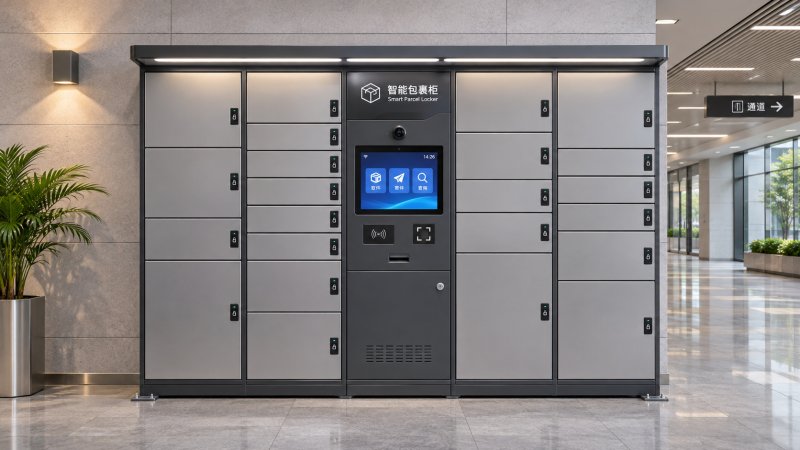
A smart parcel locker network is a good example. The lock itself may be only one cost layer among electronics, communication modules, software permissions, and service diagnostics.
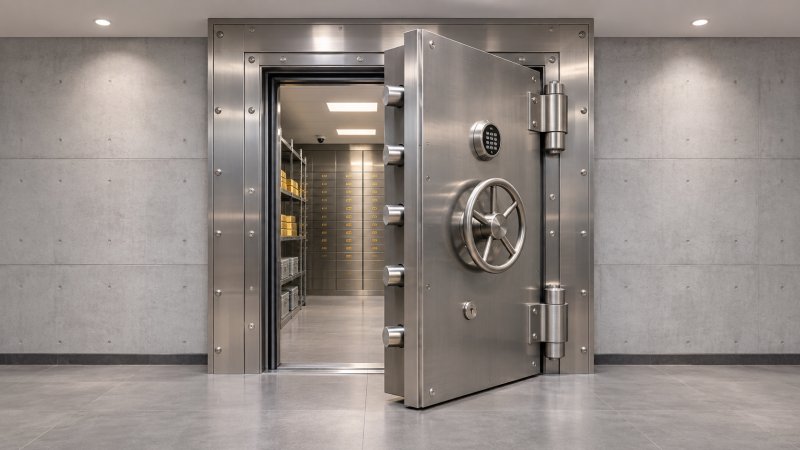
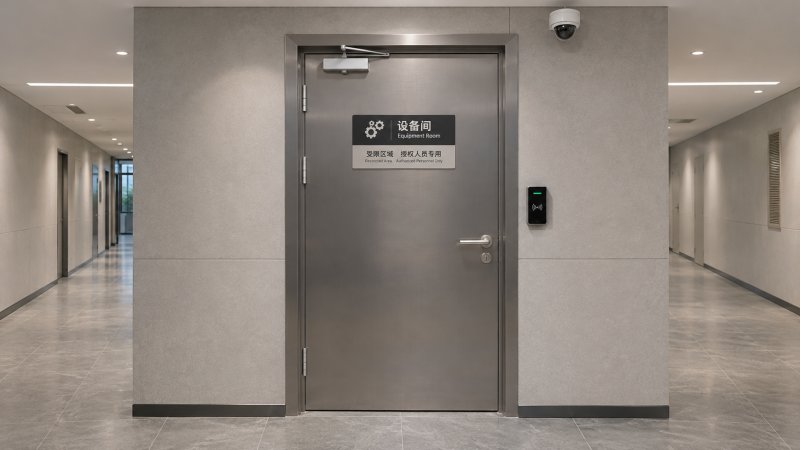
The same principle applies to doors protecting archives, cash rooms, equipment cabinets, and restricted commercial zones. Lock cost follows the security ecosystem around it.
A practical comparison table for price evaluation
A quick comparison helps separate low upfront quotes from stronger long-term value. The table below reflects the questions usually worth asking first.
When does a higher anti-theft lock technology price make financial sense?
It makes sense when the lock protects high-consequence assets, sensitive spaces, regulated workflows, or doors that are costly to service after failure.
Consider data rooms, medicine storage, parcel handover points, bank back offices, luxury residential entries, and mixed commercial towers. Downtime there is rarely a minor issue.
A better lock can reduce key duplication risk, unauthorized access, emergency replacement work, and recurring reset costs. In some cases, it also supports insurance conversations more effectively.
Another factor is traffic intensity. High-cycle doors, turnstile-linked zones, and frequently accessed cabinets place more stress on components than light-duty applications do.
Here, anti-theft lock technology price should be judged against lifecycle use, not just installation day. A low-end unit may need replacement long before the site’s contract cycle ends.
That is why many commercial evaluations combine three filters: attack resistance, service life, and interoperability with wider physical security systems.
Where do buyers misread anti-theft lock technology price most often?
The most common mistake is comparing lock quotes without comparing security assumptions. One supplier may price a basic cylinder, while another prices a tested access-ready solution.
Another mistake is ignoring maintenance architecture. Battery service, firmware updates, credential management, replacement lead times, and spare cylinders all affect long-term cost.
In practical deployment, hidden cost often appears in four places:
- Door modification, wiring, and mounting adaptation.
- Platform integration, especially with legacy access systems.
- Credential administration and staff turnover resets.
- Unexpected field failures in high-use environments.
Some projects also underestimate compliance cost. If documentation, audit logging, or tested resistance is required later, retrofitting those requirements is usually more expensive.
This is where SHPS-style market intelligence becomes useful. It helps frame lock pricing inside certification readiness, material performance, application cases, and deployment risk.
How should anti-theft lock technology price be compared before approval?
A strong comparison starts with use case clarity. Is the lock protecting a public-facing entrance, a staff-only room, a valuables cabinet, or a connected locker network?
Then define what failure would actually cost. That may include theft exposure, service calls, business interruption, tenant complaints, audit findings, or reinstallation work.
A practical review checklist usually includes the following points:
- Required resistance level against picking, drilling, bumping, or forced entry.
- Expected opening cycles per day and environmental conditions.
- Need for biometrics, mobile credentials, or mechanical backup.
- Compatibility with access control, alarms, lockers, or smart building systems.
- Evidence of testing, certification, and after-sales support.
It also helps to request a lifecycle view instead of a unit quote alone. Ask for installation scope, expected maintenance, replacement intervals, and support commitments.
That approach creates a fairer anti-theft lock technology price comparison. It shifts the decision from sticker cost to verified operating value.
What is the smartest next step if pricing still feels unclear?
Start by grouping openings and assets by risk level. Not every door needs the same anti-theft lock technology price point, and over-specifying every opening wastes capital.
Next, align security needs with technical evidence. Review resistance claims, cycle testing, integration capability, and service structure before comparing final numbers.
Where projects involve smart locks, cylinders, safes, turnstiles, parcel lockers, or connected physical security infrastructure, it is useful to compare how each lock fits the broader system.
That is usually the clearest way to judge whether a higher anti-theft lock technology price reflects real value or just a premium label.
A careful shortlisting process should end with three outputs: a required security baseline, a lifecycle cost model, and a supplier evidence checklist. Those three items reduce budget surprises later.
In other words, the best decision is rarely the cheapest lock. It is the option that balances resistance, reliability, integration, and manageable long-term cost.
Have questions about this sector analysis, or seeking best practices specific to your niche? Drop us a line below and let the senior consultants at MHLS assist you.
We respect your privacy. Your information is strictly confidential.
Recommended News
 Physical Security Infrastructure Cost: Budgeting for Installation and MaintenanceUnmanned Terminal FellowUnderstand physical security infrastructure cost and build a smarter budget for installation, maintenance, and long-term ownership.
 Financial Facility Security: Choosing Vault Doors for Bank BranchesVault Structural ArchitectStrengthen financial facility security with the right bank vault door. Explore certification, installation, locking controls and maintenance before you buy.
 MACO Acquires Majority Stake in Fingerprint Access Provider ekeyProf. Elara SterlingMACO acquires a majority stake in ekey, bringing fingerprint access and door hardware closer together. Discover what the deal could mean for smart buildings.
 Physical Security System Engineering: From Risk Assessment to System DesignUnmanned Terminal FellowExplore physical security system engineering, from risk assessment to integrated design, procurement and testing. Build a safer, more resilient facility.
 Apple Home Collection Smart Lock and Other Accessories Open for Preorder November 13Biometric Auth ScientistApple Home Collection preorders open November 13, 2026. Explore the LG smart lock’s Matter and Aliro support and what buyers should verify before ordering.
 Choosing Servo-Driven Flap Barriers: Throughput, Safety and Access ControlAccess Control StrategistServo-driven flap barriers can balance throughput, safety and access control. Discover how to compare lanes, test performance and choose with confidence.
 Parcel Locker Network Pricing: Setup Costs, Fees and Contract TermsUnmanned Terminal FellowCompare parcel locker networks pricing, from setup costs and recurring fees to contract terms. Discover hidden charges and choose the right model.
 JR East Plans UWB Walk-Through Gates at 40 Stations in Spring 2028Access Control StrategistJR East plans UWB walk-through gates at 40 stations in spring 2028. Explore the rollout timeline and what suppliers should watch.
 Bank Vault Security Standards: UL and EN Ratings ExplainedVault Structural ArchitectExplore bank vault security standards and learn how UL 608 classes and EN 1143-1 grades differ, what they test, and how to verify certification before you buy.
 Mechanical Lock Hardware Prices: What Buyers Should Budget for Bulk OrdersMr. Gideon CrossMechanical lock hardware price is just the starting point. Discover what drives bulk-order costs and how to compare supplier quotes with confidence.
 IndexBox Forecasts Steady Global Security Keypad Market Growth Through 2035Dr. Valerius ThorneGlobal security keypad market growth is forecast at 3.3% annually through 2035. Explore the smart home and replacement trends shaping demand.
 Choosing an Infrared Safety Sensors Manufacturer: What Buyers Should CheckUnmanned Terminal FellowChoosing an infrared safety sensors manufacturer? Compare safety evidence, integration, environmental performance and lifecycle costs before you buy.