
China Flags 1,100+ Apps Over Biometric Data Misuse
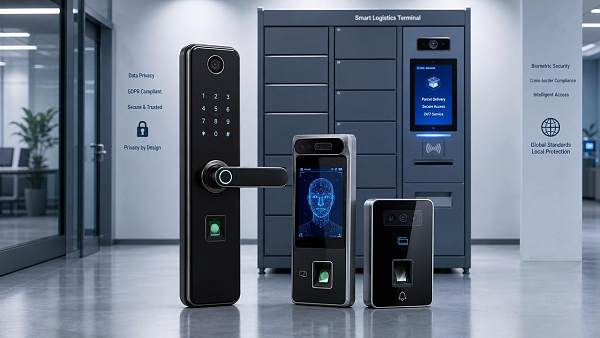
China’s 2025 special regulatory campaign on personal information protection, with notices集中发布 on June 12, 2026, publicly named more than 1,100 apps and SDKs for unlawful collection and use of personal data. The focus on misuse involving facial recognition, finger-vein identification, and 3D facial data makes this development especially relevant for exporters of smart locks, parcel locker systems, and visitor access solutions, because product design choices in these sectors increasingly intersect with biometric compliance expectations in the EU, the United States, and Southeast Asian markets.
What the official notices confirmed
According to the information provided, the Cyberspace Administration of China’s 2025 campaign found that more than 1,100 apps and SDKs were publicly criticized for illegally or improperly collecting and using personal information. The disclosed concerns specifically included the misuse of biometric data such as facial recognition data, finger-vein data, and 3D facial recognition data.
The timing provided indicates that the issue spans the whole of 2025, while the public notices were concentrated on June 12, 2026. The same information also makes clear that the regulatory signal is directly relevant to export-oriented manufacturers and solution providers in smart locks, parcel lockers, and visitor passage or access-control systems.
Why this matters across the device and software chain
Export hardware makers face product-design pressure
From an industry perspective, manufacturers of smart locks and related access devices may be affected because biometric functions are often embedded in the user experience rather than treated as an optional compliance layer. The potential impact is not limited to the device itself; it can extend to onboarding flows, firmware logic, app permissions, and the way biometric modules are activated in different markets.
SDK suppliers move closer to the compliance front line
Analysis shows that SDK providers linked to access systems and parcel locker services may face closer scrutiny because data collection practices are often implemented through shared software components. What deserves closer attention is whether biometric capture, processing, storage, or transmission settings are broader than the actual service need, especially when the same SDK may be deployed across multiple client products.
System integrators and service operators may need clearer boundaries
For visitor access systems, parcel locker operators, and related service providers, the practical effect may appear in deployment and delivery stages. Observably, these businesses may need to pay closer attention to which party determines the biometric workflow, which party stores or processes the data, and how those decisions align with overseas rules that are described in the input as increasingly emphasizing data localization and data minimization.
Overseas buyers and channel partners may ask harder questions
For procurement teams, distributors, and project-side buyers, this type of regulatory action can influence supplier evaluation. The issue is not only whether a product includes facial or other biometric functions, but also whether the supplier can explain why those functions are necessary, how collection is limited, and how cross-market compliance differences are handled in practice.
What companies should watch now
Separate domestic enforcement facts from overseas compliance execution
Analysis shows that the confirmed fact is a Chinese regulatory action against unlawful personal information practices, while the business implication lies in how exporters translate that signal into market-specific compliance design. Companies should avoid assuming that one adjustment will satisfy all jurisdictions, particularly where GDPR, BIPA, and emerging Southeast Asian requirements are described as tightening around localization and minimum necessary collection.
Review whether biometric features are truly necessary
What deserves closer attention is the necessity test behind facial recognition, finger-vein, and 3D facial functions. For affected product categories, the immediate operational question is whether biometric collection is essential to the service scenario or simply enabled by default as part of a broader feature set.
Check SDK governance in procurement and delivery
For manufacturers and solution assemblers, supplier management may become a more practical issue than headline policy interpretation. This includes reviewing SDK selection, data-handling documentation, integration scope, and whether downstream customers are given clear information about how biometric functions operate in actual deployments.
Prepare for customer communication on data handling choices
Observably, export-facing teams may need more precise explanations for clients and channel partners on where biometric data is processed, what is retained, and how collection is minimized. That is likely to matter in pre-sales review, tender response, and post-delivery compliance discussions.
How to read the signal at this stage
Analysis shows that this development is better understood as a strong compliance signal rather than a complete statement of market outcomes. The confirmed facts point to intensified scrutiny of biometric data misuse, but the downstream commercial effect will depend on how product makers, SDK suppliers, and overseas buyers respond in design, procurement, and deployment decisions.
It is more appropriate to understand this as a long-tail regulatory theme with immediate design relevance. The issue is not confined to one notice cycle, because the underlying concern—whether biometric data is collected beyond necessity and handled with sufficient control—directly affects how connected access products are built for cross-border markets.
What the industry can reasonably conclude
Based on the information provided, the main significance of this event is not simply that a large number of apps and SDKs were named, but that biometric compliance is becoming harder to treat as a secondary software issue. For smart lock exporters, parcel locker suppliers, and visitor access system vendors, the more practical reading is that biometric data decisions are now part of product-market fit, contract readiness, and international delivery planning.
At the current stage, a neutral conclusion is that this is both an immediate warning for compliance review and a longer-term indicator of stricter expectations around biometric data minimization and localization. It does not by itself determine final market outcomes, but it clearly warrants continued monitoring.
Basis of this article
This article is based on the user-provided news title, event timing, and summary information. The specific official source link was not provided in the input, so further verification remains necessary. For this type of development, commonly relevant source categories include official regulatory notices, company disclosures, industry association updates, authoritative media reporting, and standard-setting documents. Follow-up attention should remain on any new official wording, additional enforcement detail, and how compliance requirements are translated into real product and deployment practices across export markets.
Have questions about this sector analysis, or seeking best practices specific to your niche? Drop us a line below and let the senior consultants at MHLS assist you.
We respect your privacy. Your information is strictly confidential.
Recommended News
 Physical Security Infrastructure Cost: Budgeting for Installation and MaintenanceUnmanned Terminal FellowUnderstand physical security infrastructure cost and build a smarter budget for installation, maintenance, and long-term ownership.
 Financial Facility Security: Choosing Vault Doors for Bank BranchesVault Structural ArchitectStrengthen financial facility security with the right bank vault door. Explore certification, installation, locking controls and maintenance before you buy.
 MACO Acquires Majority Stake in Fingerprint Access Provider ekeyProf. Elara SterlingMACO acquires a majority stake in ekey, bringing fingerprint access and door hardware closer together. Discover what the deal could mean for smart buildings.
 Physical Security System Engineering: From Risk Assessment to System DesignUnmanned Terminal FellowExplore physical security system engineering, from risk assessment to integrated design, procurement and testing. Build a safer, more resilient facility.
 Apple Home Collection Smart Lock and Other Accessories Open for Preorder November 13Biometric Auth ScientistApple Home Collection preorders open November 13, 2026. Explore the LG smart lock’s Matter and Aliro support and what buyers should verify before ordering.
 Choosing Servo-Driven Flap Barriers: Throughput, Safety and Access ControlAccess Control StrategistServo-driven flap barriers can balance throughput, safety and access control. Discover how to compare lanes, test performance and choose with confidence.
 Parcel Locker Network Pricing: Setup Costs, Fees and Contract TermsUnmanned Terminal FellowCompare parcel locker networks pricing, from setup costs and recurring fees to contract terms. Discover hidden charges and choose the right model.
 JR East Plans UWB Walk-Through Gates at 40 Stations in Spring 2028Access Control StrategistJR East plans UWB walk-through gates at 40 stations in spring 2028. Explore the rollout timeline and what suppliers should watch.
 Bank Vault Security Standards: UL and EN Ratings ExplainedVault Structural ArchitectExplore bank vault security standards and learn how UL 608 classes and EN 1143-1 grades differ, what they test, and how to verify certification before you buy.
 Mechanical Lock Hardware Prices: What Buyers Should Budget for Bulk OrdersMr. Gideon CrossMechanical lock hardware price is just the starting point. Discover what drives bulk-order costs and how to compare supplier quotes with confidence.
 IndexBox Forecasts Steady Global Security Keypad Market Growth Through 2035Dr. Valerius ThorneGlobal security keypad market growth is forecast at 3.3% annually through 2035. Explore the smart home and replacement trends shaping demand.
 Choosing an Infrared Safety Sensors Manufacturer: What Buyers Should CheckUnmanned Terminal FellowChoosing an infrared safety sensors manufacturer? Compare safety evidence, integration, environmental performance and lifecycle costs before you buy.











