Door Lock Security Certification Explained: CE, ANSI, BHMA, UL, and What Buyers Should Check
Door lock security certification is often treated as a badge on a datasheet, yet its real value is far more practical. It helps verify whether a lock has been tested for durability, safety, fire performance, and market access requirements.
That matters because lock selection now sits inside a wider security ecosystem. Smart hardware, mechanical cylinders, access control, protective doors, and building compliance are increasingly evaluated together rather than as isolated parts.
In that context, understanding CE, ANSI, BHMA, and UL makes sourcing decisions more reliable. It also helps separate meaningful certification evidence from vague claims that look technical but reveal little about actual performance.
Why certification matters beyond market entry

A lock may look robust in photos and still fail under repeated use, poor installation tolerance, or forced attack. Door lock security certification creates a common language for checking those risks before deployment.
For residential projects, certification often supports confidence in daily reliability and basic safety compliance. For commercial and mixed-use buildings, it becomes tied to lifecycle cost, occupancy safety, insurance expectations, and maintenance planning.
This is especially relevant across the SHPS landscape, where physical security is judged through engineering evidence. Buyers are no longer comparing appearance alone. They are comparing tested performance, failure modes, and suitability for a specific risk environment.
What CE, ANSI, BHMA, and UL actually indicate
These marks are related, but they are not interchangeable. Each one answers a different question about a product, and confusion here leads to weak supplier evaluation.
CE
CE is mainly about conformity for the European market. It shows that the product meets applicable EU requirements, which may involve safety, health, electromagnetic compatibility, or construction product rules.
A CE mark does not automatically mean the lock is high security. It means the product aligns with the relevant regulatory framework, assuming the declaration and technical file are valid.
ANSI
ANSI is a standards framework widely recognized in the United States. In locks and hardware, ANSI references often appear together with BHMA grading and help define performance expectations.
When a supplier cites ANSI without the associated product grade or test basis, the statement is incomplete. The useful detail is not the acronym alone, but the exact standard and class achieved.
BHMA
BHMA is highly relevant for door hardware performance. Its grading system often helps determine whether a lock is suitable for light residential use, standard commercial traffic, or demanding institutional applications.
In practice, BHMA grades are frequently used to compare operational endurance, strength, finish performance, and security-related characteristics. A Grade 1 product usually indicates the highest performance level within that category.
UL
UL is often associated with safety testing and fire-related performance. For locks, UL may be relevant when hardware is installed on fire-rated doors or when electrical components require recognized safety evaluation.
UL can also matter for electronic locks, power supplies, and connected access hardware. In those cases, electrical safety and integration risk may be as important as resistance to manipulation.
The marks do not answer the same risk question
One of the most common sourcing mistakes is assuming every certification proves overall lock quality. That is not how door lock security certification works in real projects.
A serious review therefore starts by matching the certification to the project risk. The right question is not whether a lock is certified, but whether the certification fits the application.
Where door lock security certification becomes most relevant
Certification needs vary widely by environment. A private apartment entrance, a student housing corridor, a data room, and a parcel locker compartment do not face the same threat model.
Residential and multifamily buildings
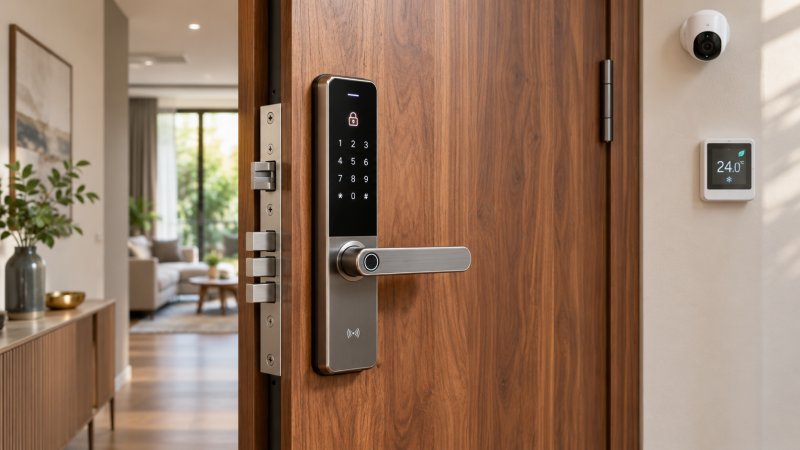
Daily cycle count, user convenience, and compatibility with fire doors often matter as much as resistance to forced entry. Electronic locksets also need stable power management and safe emergency operation.
Commercial offices and public buildings
Here, higher traffic, code compliance, and integration with access control platforms become central. Door lock security certification helps confirm the hardware can survive repeated use without excessive maintenance.
High-security or controlled areas
Certification should be reviewed alongside cylinder design, anti-drill protection, credential security, audit trail functions, and resistance to bypass techniques. A mark alone is not enough for critical assets.
This is where the broader SHPS perspective becomes useful. Physical protection today spans materials, lock structure, biometric verification, and access control logic, not just a latch and key.
What to check in supplier claims
Many catalog pages mention certifications in a simplified way. Strong sourcing decisions require documentation, scope clarity, and consistency between the test report and the delivered model.
- Ask for the exact standard number, not only the certification logo.
- Check whether the tested sample matches the offered configuration, finish, cylinder, and electronics.
- Review the issuing laboratory or certification body for credibility and current validity.
- Confirm whether the certification covers the lock alone or the full door assembly.
- Look at endurance cycles, fire rating conditions, and any exclusions hidden in technical notes.
- For smart locks, verify battery behavior, fail-safe or fail-secure logic, and emergency override method.
A useful warning sign is vague wording such as “designed to meet” or “tested according to” without a formal report. Those phrases may describe development intent rather than certified status.
Certification should be read together with system design
A lock rarely performs alone. Its real behavior depends on the door leaf, frame, strike, hinges, closer, cylinder, credentials, and installation quality.
That is why door lock security certification should be interpreted alongside the whole opening system. A certified lock on a weak door assembly can still produce poor security outcomes.
The same principle applies to connected hardware. If the lock is networked, cybersecurity, firmware maintenance, credential management, and event logging affect operational risk even when mechanical certification is solid.
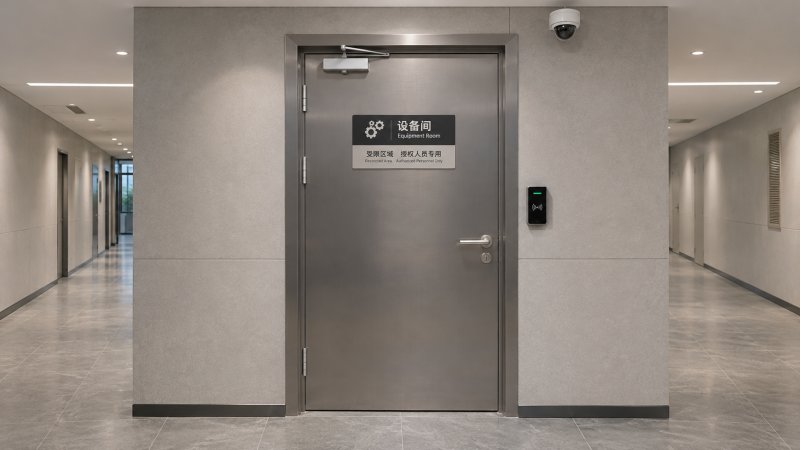
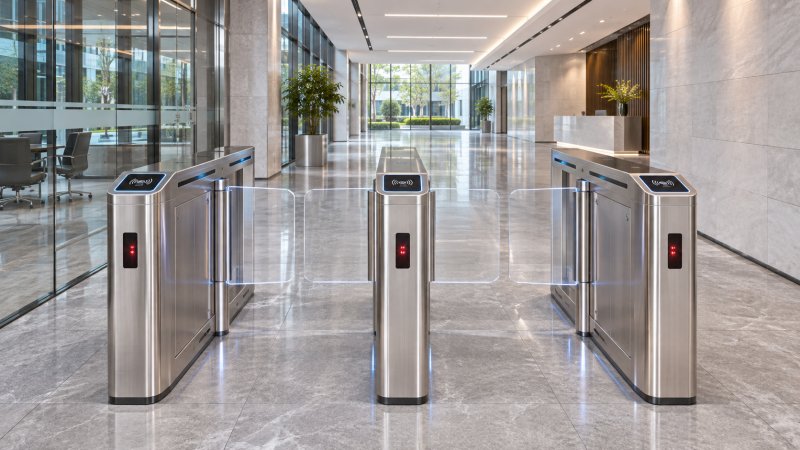
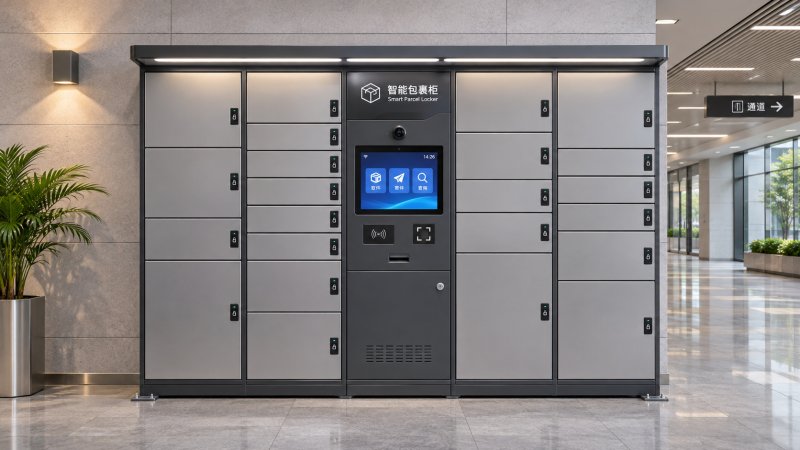
In mixed portfolios, this cross-checking approach is especially useful. Projects involving smart locks, parcel locker systems, turnstiles, or protected rooms benefit from a shared compliance review method.
A practical way to compare options
When several suppliers appear similar, a short evaluation framework keeps the comparison grounded in evidence rather than branding.
- Define the opening type and threat level first.
- Map required certifications by region, occupancy, and door rating.
- Separate compliance needs from performance preferences.
- Compare total lifecycle factors, not purchase price alone.
- Request evidence for both mechanical and electronic reliability where relevant.
This approach makes door lock security certification more useful as a decision tool. It shifts the conversation from labels to verified fit, which is where real procurement value is created.
What to do next
The next step is to build a certification checklist around the actual installation environment. Include region, door type, traffic level, fire requirements, access method, and expected service life.
Then compare supplier documents against that checklist line by line. In most cases, that process reveals whether the proposed lock is merely marketable or genuinely suitable.
For organizations tracking broader physical security trends through SHPS, the same discipline can be extended to cylinders, safes, access gates, and connected locker systems. Certification becomes more meaningful when it is read as part of total security performance.
In the end, door lock security certification is valuable not because it simplifies decisions, but because it helps make them defensible. That is usually the difference between a compliant purchase and a dependable one.
Have questions about this sector analysis, or seeking best practices specific to your niche? Drop us a line below and let the senior consultants at MHLS assist you.
We respect your privacy. Your information is strictly confidential.
Recommended News
 Physical Security System Engineering: From Risk Assessment to System DesignUnmanned Terminal FellowExplore physical security system engineering, from risk assessment to integrated design, procurement and testing. Build a safer, more resilient facility.
 Apple Home Collection Smart Lock and Other Accessories Open for Preorder November 13Biometric Auth ScientistApple Home Collection preorders open November 13, 2026. Explore the LG smart lock’s Matter and Aliro support and what buyers should verify before ordering.
 Choosing Servo-Driven Flap Barriers: Throughput, Safety and Access ControlAccess Control StrategistServo-driven flap barriers can balance throughput, safety and access control. Discover how to compare lanes, test performance and choose with confidence.
 Parcel Locker Network Pricing: Setup Costs, Fees and Contract TermsUnmanned Terminal FellowCompare parcel locker networks pricing, from setup costs and recurring fees to contract terms. Discover hidden charges and choose the right model.
 JR East Plans UWB Walk-Through Gates at 40 Stations in Spring 2028Access Control StrategistJR East plans UWB walk-through gates at 40 stations in spring 2028. Explore the rollout timeline and what suppliers should watch.
 Bank Vault Security Standards: UL and EN Ratings ExplainedVault Structural ArchitectExplore bank vault security standards and learn how UL 608 classes and EN 1143-1 grades differ, what they test, and how to verify certification before you buy.
 Mechanical Lock Hardware Prices: What Buyers Should Budget for Bulk OrdersMr. Gideon CrossMechanical lock hardware price is just the starting point. Discover what drives bulk-order costs and how to compare supplier quotes with confidence.
 IndexBox Forecasts Steady Global Security Keypad Market Growth Through 2035Dr. Valerius ThorneGlobal security keypad market growth is forecast at 3.3% annually through 2035. Explore the smart home and replacement trends shaping demand.
 Choosing an Infrared Safety Sensors Manufacturer: What Buyers Should CheckUnmanned Terminal FellowChoosing an infrared safety sensors manufacturer? Compare safety evidence, integration, environmental performance and lifecycle costs before you buy.
 Choosing a Security Material Testing Service: What to Check for Lock and Safe MaterialsProf. Elara SterlingChoose a security material testing service with confidence. Learn what to check for lock and safe materials, from attack methods and accreditation to reliable reports.
 How Precision Anti-Pick Lock Cylinders Resist ManipulationSecurity Metallurgy ExpertDiscover how precision anti-pick lock technology resists manipulation, and learn what to check when comparing security features, test evidence, and everyday reliability.
 Dermalog Joins NIST FastCAP Program for Contactless Fingerprint TestingProf. Elara SterlingDermalog joins the NIST FastCAP program for contactless fingerprint testing. Discover what this means for biometric identification and digital identity.