Physical Security Engineering Services: What Scope, Deliverables, and Risks to Review
Why do physical security engineering services matter so early in a project?
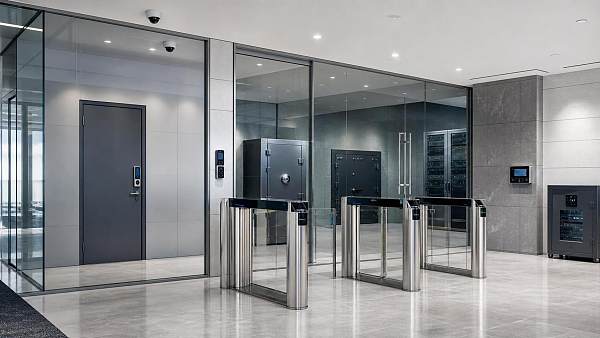
Physical security engineering services shape more than device selection. They define how protection, safety, operations, and compliance will work together under real conditions.
That matters because many projects fail before installation starts. The problem is usually incomplete scope, weak interface planning, or unrealistic performance assumptions.
In practical terms, a strong engineering review connects doors, locks, safes, turnstiles, parcel lockers, sensors, and software into one controlled environment.
It also prevents a common mistake: buying certified components that still perform poorly after integration. A compliant lock or gate alone does not guarantee a secure system.
This is especially relevant across mixed-use buildings, logistics sites, financial facilities, restricted areas, and smart property projects.
In those environments, physical security engineering services must consider mechanical resistance, biometric reliability, people flow, emergency release, monitoring, and maintenance access at the same time.
A useful way to think about it is simple. The service is not just design support. It is a decision framework that reduces procurement risk.
When reviewing scope, what should already be included and what is often missed?
The scope of physical security engineering services should be specific enough to guide procurement, installation, and acceptance.
If the scope only says “access control design” or “security system consulting,” it is too broad to protect schedule or budget.
A more reliable scope usually covers threat assumptions, protection objectives, system architecture, interface points, testing logic, and operational constraints.
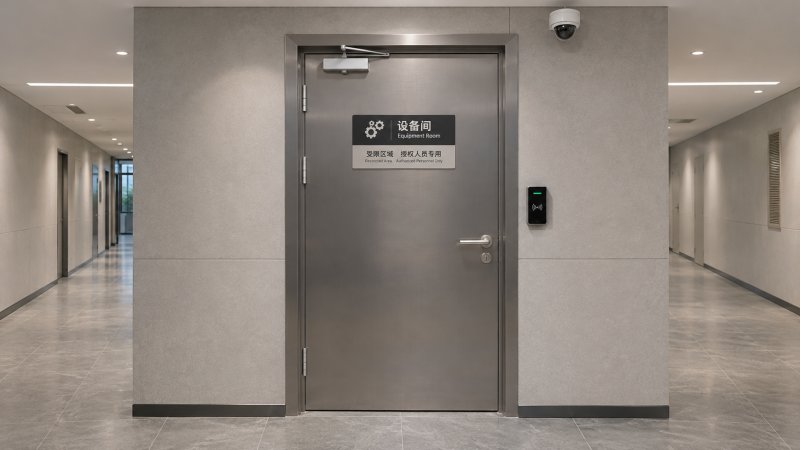
For example, a vault area may need anti-drill materials, certified locking logic, emergency procedures, and alarm integration.
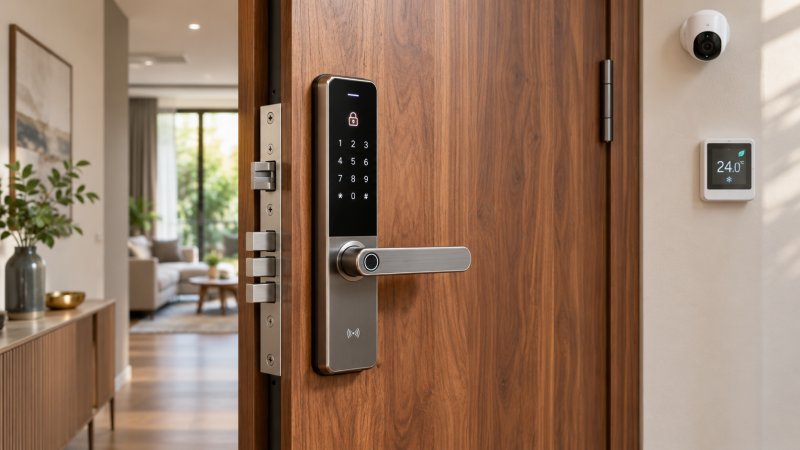
A smart entrance may require biometric verification, liveness detection, door status monitoring, and anti-tailgating behavior.
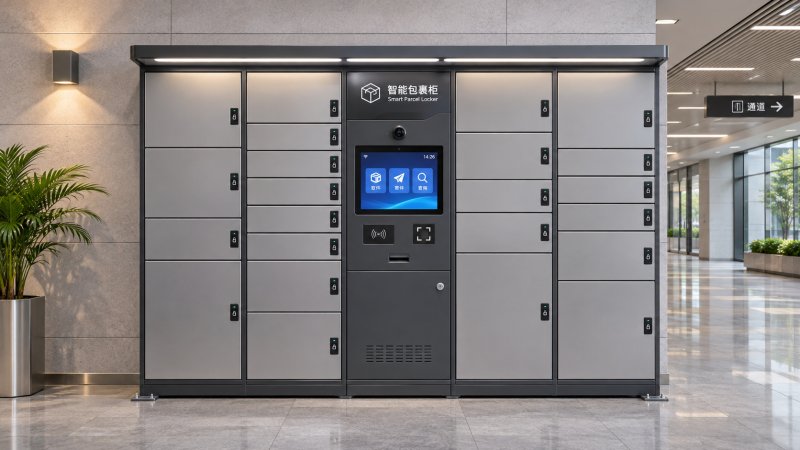
A logistics locker network may need electronic lock endurance, 4G or 5G connectivity, remote audit trails, and user exception handling.
The gaps often appear in the areas between disciplines. Mechanical teams, IT teams, electrical contractors, and security suppliers may all assume someone else owns the interface.
That is where physical security engineering services add real value. They translate security intent into coordinated technical responsibilities.
- Performance scope: resistance grade, throughput, authentication accuracy, fail-safe or fail-secure logic.
- Interface scope: fire alarm, BMS, access control platform, power backup, communications network.
- Operational scope: staffing assumptions, user enrollment, credential recovery, maintenance windows.
- Compliance scope: EN, UL, local life-safety rules, data handling, acceptance test requirements.
In actual projects, the missed items are rarely dramatic. More often, they are small decisions that later create delays, variations, or weak protection.
Which deliverables from physical security engineering services are worth checking before approval?
A good deliverable package should help people compare suppliers, validate design intent, and control changes during execution.
If the output is only a concept note and a few layouts, decision quality will remain limited.
The stronger packages usually include drawings, narratives, device schedules, sequence logic, integration requirements, compliance notes, and test criteria.
This becomes even more important when projects involve biometric smart locks, mechanical cylinders, protective doors, turnstiles, or safes with different certification expectations.
Because SHPS tracks both hardware performance and deployment issues, it is useful to review deliverables from both engineering and procurement angles.
The table below summarizes what should be visible before sign-off.
If these deliverables exist but remain generic, the risk still remains. Detail quality is often more important than document count.
How can you judge whether the proposed solution actually fits the site?
This is where many decisions become more nuanced. The best option on paper may be wrong for the operating environment.
A biometric smart lock, for instance, may offer strong identity control. Yet glove use, dust, moisture, sunlight, or throughput pressure may reduce usability.
A high-security safe may meet burglary resistance targets. Still, room structure, anchoring, transport route, and cash handling workflow can change the final choice.
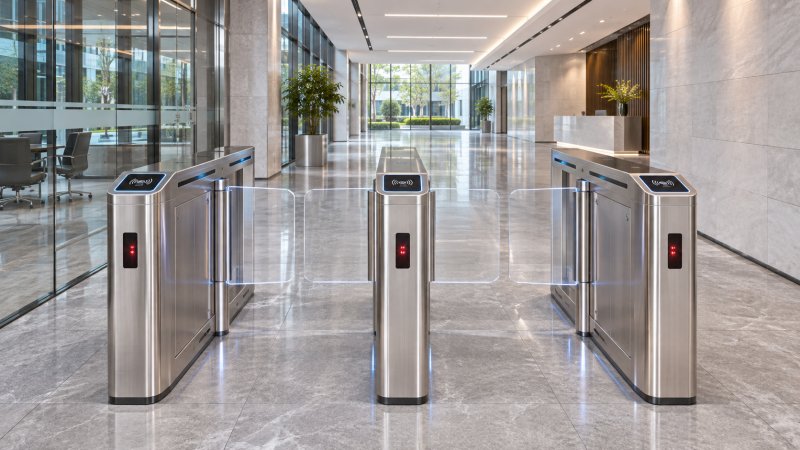
The same applies to speed gates and turnstiles. Throughput numbers from catalogs often differ from real peak-hour behavior, especially when credentials fail or visitors need help.
A practical evaluation of physical security engineering services should therefore test three layers together.
- Protection fit: does the resistance or authentication level match the actual threat?
- Operational fit: will users complete the process reliably during normal and abnormal conditions?
- Infrastructure fit: can the site support power, network, mounting, emergency egress, and servicing?
This is why sector knowledge matters. Physical security engineering services for residential towers, banks, data rooms, parcel networks, and industrial campuses are not interchangeable.
Platforms such as SHPS are useful here because they connect hardware technologies with compliance, material performance, and deployment realities rather than product claims alone.
What risks are most commonly underestimated during specification and procurement?
The biggest risks are usually not obvious security failures. They are mismatches between expected performance and delivered conditions.
One common issue is certification confusion. A component may be tested to a respected standard, yet the installation method may void the intended protection level.
Another risk is assuming integration is easy. A smart lock, locker controller, or turnstile can be technically compatible but still unstable in field operations.
Power backup duration is also underestimated. During outages, doors, safes, electronic locks, and access systems need defined behavior, not assumptions.
Then there is maintenance risk. If replacement parts, firmware policy, credential recovery, or calibration procedures are unclear, lifecycle cost can escalate quickly.
More specialized projects add further concerns. Anti-drill composites, lock cylinder structures, liveness detection, infrared safety curtains, and IoT communication modules all require proper validation.
A concise risk screen before approval helps.
- Check if test reports match the exact configuration being purchased.
- Confirm environmental limits, throughput assumptions, and abnormal operating modes.
- Review interface ownership across suppliers and contractors.
- Validate spare parts, service response, and software support commitments.
- Make sure acceptance tests include failure scenarios, not only normal use.
In other words, physical security engineering services should reduce uncertainty, not merely document intentions.
How should cost, schedule, and implementation value be weighed before approval?
Lower upfront price does not always mean lower project cost. In physical security engineering services, cheap scope often pushes complexity downstream.
That usually appears as redesign, interface troubleshooting, site delays, repeated testing, or premature replacement.
A better comparison looks at implementation value across the full project path.
Start with the engineering effort required to define a buildable specification. Then examine supplier lead times, local approvals, installation dependencies, and commissioning logic.
If the project involves custom safes, biometric access points, protective doors, or networked locker systems, timeline risks can grow quickly when interfaces are unresolved.
The more dependable approach is to compare options using a short decision framework.
This kind of review keeps the discussion grounded. It shifts attention from headline pricing to decision quality.
What is the most practical next step before approving specifications or suppliers?
Start by turning the proposed physical security engineering services into a review checklist tied to the actual site.
List the protected assets, expected threat types, user flows, compliance requirements, system interfaces, and recovery scenarios.
Then compare each supplier or design package against the same criteria. That makes hidden gaps easier to see.
Where the project involves advanced hardware, it helps to cross-check not only product features but also testing evidence, integration logic, and field support.
This is where industry intelligence sources such as SHPS become useful. They help connect specifications with real material, biometric, mechanical, and infrastructure considerations.
The core question is not whether a solution looks advanced. It is whether the scope, deliverables, and risk controls support reliable protection after handover.
Before final approval, refine the acceptance criteria, confirm responsibilities, and test the assumptions behind the most critical components.
That extra discipline usually saves far more time and cost than it adds.
Have questions about this sector analysis, or seeking best practices specific to your niche? Drop us a line below and let the senior consultants at MHLS assist you.
We respect your privacy. Your information is strictly confidential.
Recommended News
 Physical Security System Engineering: From Risk Assessment to System DesignUnmanned Terminal FellowExplore physical security system engineering, from risk assessment to integrated design, procurement and testing. Build a safer, more resilient facility.
 Apple Home Collection Smart Lock and Other Accessories Open for Preorder November 13Biometric Auth ScientistApple Home Collection preorders open November 13, 2026. Explore the LG smart lock’s Matter and Aliro support and what buyers should verify before ordering.
 Choosing Servo-Driven Flap Barriers: Throughput, Safety and Access ControlAccess Control StrategistServo-driven flap barriers can balance throughput, safety and access control. Discover how to compare lanes, test performance and choose with confidence.
 Parcel Locker Network Pricing: Setup Costs, Fees and Contract TermsUnmanned Terminal FellowCompare parcel locker networks pricing, from setup costs and recurring fees to contract terms. Discover hidden charges and choose the right model.
 JR East Plans UWB Walk-Through Gates at 40 Stations in Spring 2028Access Control StrategistJR East plans UWB walk-through gates at 40 stations in spring 2028. Explore the rollout timeline and what suppliers should watch.
 Bank Vault Security Standards: UL and EN Ratings ExplainedVault Structural ArchitectExplore bank vault security standards and learn how UL 608 classes and EN 1143-1 grades differ, what they test, and how to verify certification before you buy.
 Mechanical Lock Hardware Prices: What Buyers Should Budget for Bulk OrdersMr. Gideon CrossMechanical lock hardware price is just the starting point. Discover what drives bulk-order costs and how to compare supplier quotes with confidence.
 IndexBox Forecasts Steady Global Security Keypad Market Growth Through 2035Dr. Valerius ThorneGlobal security keypad market growth is forecast at 3.3% annually through 2035. Explore the smart home and replacement trends shaping demand.
 Choosing an Infrared Safety Sensors Manufacturer: What Buyers Should CheckUnmanned Terminal FellowChoosing an infrared safety sensors manufacturer? Compare safety evidence, integration, environmental performance and lifecycle costs before you buy.
 Choosing a Security Material Testing Service: What to Check for Lock and Safe MaterialsProf. Elara SterlingChoose a security material testing service with confidence. Learn what to check for lock and safe materials, from attack methods and accreditation to reliable reports.
 How Precision Anti-Pick Lock Cylinders Resist ManipulationSecurity Metallurgy ExpertDiscover how precision anti-pick lock technology resists manipulation, and learn what to check when comparing security features, test evidence, and everyday reliability.
 Dermalog Joins NIST FastCAP Program for Contactless Fingerprint TestingProf. Elara SterlingDermalog joins the NIST FastCAP program for contactless fingerprint testing. Discover what this means for biometric identification and digital identity.