Security Hardware Materials Testing: Which Standards Matter for Corrosion, Strength, and Cycle Life?
In security hardware materials testing, the standards behind a lock, safe door, turnstile housing, or parcel locker frame often decide whether field performance matches the datasheet. Corrosion resistance, mechanical strength, and cycle life are not abstract lab topics. They shape service intervals, warranty risk, export readiness, and the credibility of supplier claims across physical security applications.
That matters even more in a market where smart locks combine electronics with metal components, safes rely on composite barriers and steel structures, and access systems must survive both frequent use and harsh environments. Security hardware materials testing helps translate those mixed demands into measurable benchmarks.
Why standards sit at the center of hardware performance

A corrosion test, a static load test, and an endurance test each answer different questions. One checks environmental durability. Another checks structural capacity. The third shows how long a component can keep working under repeated operation.
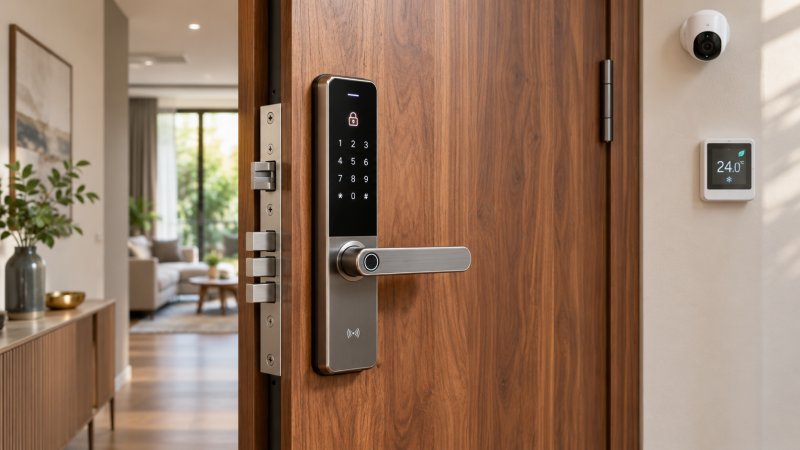
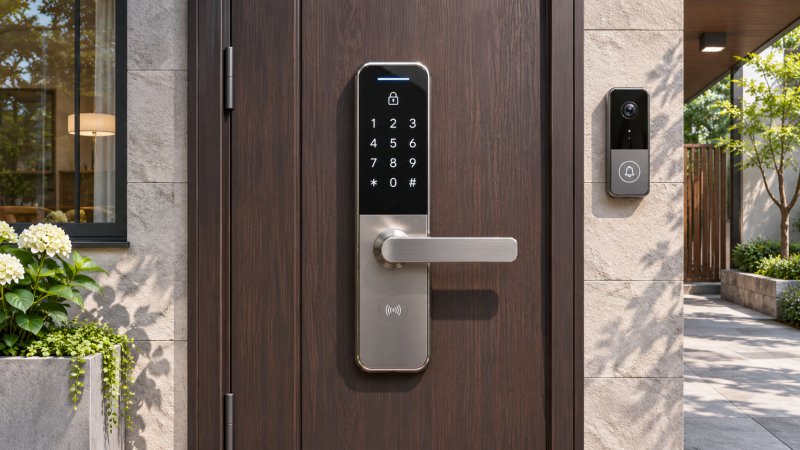
In practice, no single standard covers everything. A biometric lock may need environmental exposure testing, handle torque verification, latch strength assessment, and cycle testing of both the lock body and electronic actuator.
The same logic applies to safes, vault systems, protective doors, speed gates, and smart parcel lockers. The hardware is different, but the testing problem is similar: choose standards that reflect the product’s real duty conditions.
This is one reason SHPS-level industry analysis has become useful. Security products increasingly sit at the intersection of materials science, compliance testing, mechanical design, and operational deployment.
The three testing areas that usually drive decisions
Corrosion resistance
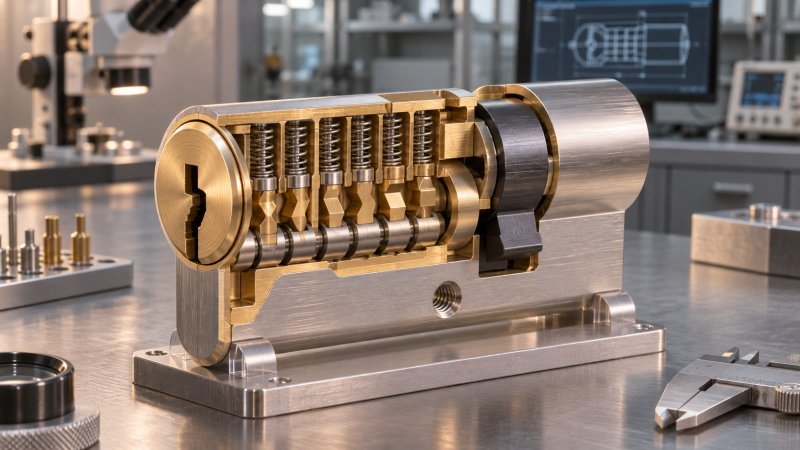
Corrosion testing matters for outdoor turnstiles, protective doors in coastal sites, parcel lockers in exposed loading areas, and lock cylinders used in humid or polluted environments. Surface finish quality alone is not enough.
Common references include salt spray methods such as ASTM B117 and ISO 9227. These are widely used screening tools for coatings, plating layers, and stainless components.
However, salt spray hours should be interpreted carefully. A higher hour rating does not automatically guarantee better real-world performance if the coating system, substrate preparation, and assembly design are weak.
Mechanical strength
Strength testing checks whether hardware can resist force without permanent deformation, fracture, loss of alignment, or functional failure. For security hardware, this issue goes beyond basic durability.
A lock body, hinge set, safe boltwork, access gate arm, or door frame may still look intact after loading, yet its security function may already be compromised. That is why test criteria should include both structural integrity and retained operation.
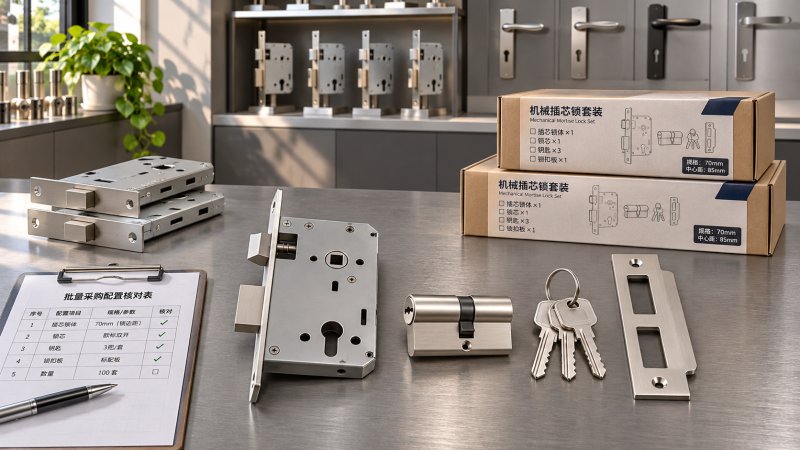
Standards vary by product family. EN 1906 may apply to lever handles. EN 12209 is often relevant for mechanically operated locks. ASTM or ISO tensile and hardness methods may also be used at the material level.
Cycle life
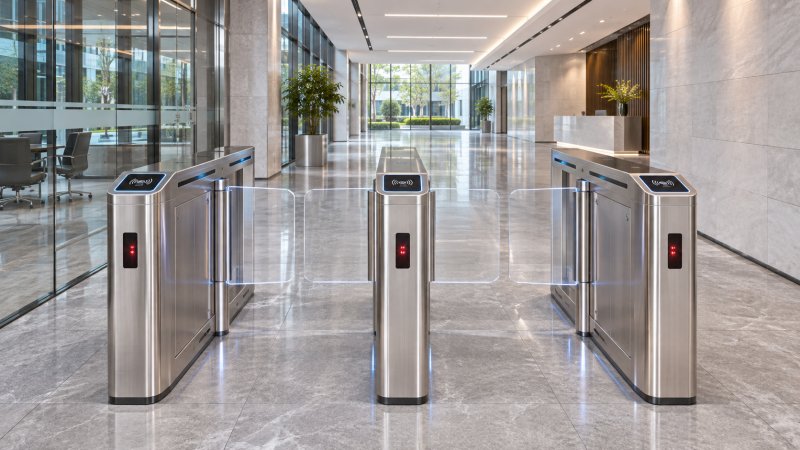
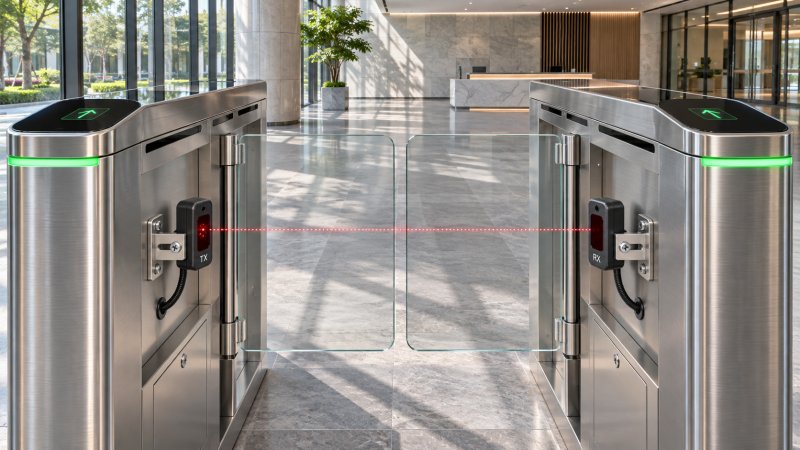
Cycle life testing estimates how repeated use affects function over time. This is especially important for high-frequency touchpoints such as smart lock handles, turnstile mechanisms, electronic latches, and parcel locker doors.
A product may pass strength tests and still fail in service because springs fatigue, bearings wear, alignment drifts, or the motorized mechanism loses consistency after repeated cycles.
In security hardware materials testing, cycle life should be read alongside wear points, lubrication strategy, actuator temperature rise, and post-test security performance. Endurance without retained security is not enough.
Which standards tend to matter most by application
The right benchmark depends on the hardware category and installation context. That is where many evaluation errors begin. Buyers sometimes compare certificates that were built for different product types.
This comparison shows why security hardware materials testing should be mapped to actual use. A lobby turnstile and a seaside parcel locker may share steel fabrication, but they do not face the same stress profile.
Where testing results are often misunderstood
One common mistake is treating material certificates as complete product proof. Tensile strength, hardness, or alloy composition data can be useful, but they do not describe weld quality, coating defects, assembly tolerance, or moving-part fatigue.
Another problem is using benchmark hours or cycle counts without the test setup. For example, 200,000 cycles on a light-duty fixture does not equal 200,000 cycles under loaded commercial operation.
Corrosion results can also be overstated. A housing may pass salt spray while hidden fasteners, hinges, or internal springs remain vulnerable. In field failures, these secondary components often become the weak point.
For security products, functional survival after testing matters as much as appearance. A handle that binds, a cylinder that stiffens, or an electronic latch that misaligns can create both access problems and security gaps.
A practical way to read test data
When reviewing security hardware materials testing, it helps to separate three layers: raw material evidence, component-level testing, and finished-product validation. Strong evidence usually includes all three.
What to verify in reports
- The exact test standard and edition used
- Sample construction, coating, and thickness details
- Load condition or operating condition during the test
- Pass criteria, not only raw numbers
- Post-test function, security retention, and visible degradation
- Whether the report covers the whole assembly or only a part
This is particularly relevant for products promoted on export markets. Certification readiness increasingly depends on whether testing evidence can support application-specific compliance discussions, not just generic marketing claims.
SHPS coverage often reflects this broader view. It connects compliance references such as EN 1143-1 or UL safe testing with the less visible questions around anti-drill materials, lock structure durability, and long-term operating reliability.
How current industry trends are changing test priorities
Several trends are pushing security hardware materials testing beyond traditional metal checks. Smart hardware now mixes sensors, motors, batteries, faceplates, internal gears, and connected control systems in one enclosure.
That means corrosion can affect electrical continuity, not just appearance. Cycle wear can change biometric alignment, door seal consistency, or latch timing. Material performance now influences both security and user experience.
Another shift comes from installation diversity. The same product line may be used in apartments, logistics sites, office towers, financial rooms, or restricted industrial areas. One standard test package may not represent all environments.
More specifiers are therefore asking for scenario-based validation. They want to know how a lock behaves after humidity exposure, how a turnstile mechanism performs after intensive cycling, or how a safe door system resists both attack and wear.
What deserves attention before the next sourcing or compliance decision
A useful next step is to build a short testing matrix around the actual installation risk. Start with environment, operating frequency, security consequence of failure, and maintenance tolerance.
Then match those conditions to the most relevant corrosion, strength, and endurance standards. Where test evidence looks incomplete, ask whether the missing data affects the real failure mode.
For many products, the decisive question is simple: does the test package reflect the hardware as installed, used, and exposed in the field? That question usually reveals more than a headline cycle count or coating claim.
Security hardware materials testing is most valuable when it helps compare options on a common basis, challenge weak assumptions, and prevent expensive surprises after deployment. That is where standards stop being paperwork and start becoming a practical decision tool.
Have questions about this sector analysis, or seeking best practices specific to your niche? Drop us a line below and let the senior consultants at MHLS assist you.
We respect your privacy. Your information is strictly confidential.
Recommended News
 Physical Security System Engineering: From Risk Assessment to System DesignUnmanned Terminal FellowExplore physical security system engineering, from risk assessment to integrated design, procurement and testing. Build a safer, more resilient facility.
 Apple Home Collection Smart Lock and Other Accessories Open for Preorder November 13Biometric Auth ScientistApple Home Collection preorders open November 13, 2026. Explore the LG smart lock’s Matter and Aliro support and what buyers should verify before ordering.
 Choosing Servo-Driven Flap Barriers: Throughput, Safety and Access ControlAccess Control StrategistServo-driven flap barriers can balance throughput, safety and access control. Discover how to compare lanes, test performance and choose with confidence.
 Parcel Locker Network Pricing: Setup Costs, Fees and Contract TermsUnmanned Terminal FellowCompare parcel locker networks pricing, from setup costs and recurring fees to contract terms. Discover hidden charges and choose the right model.
 JR East Plans UWB Walk-Through Gates at 40 Stations in Spring 2028Access Control StrategistJR East plans UWB walk-through gates at 40 stations in spring 2028. Explore the rollout timeline and what suppliers should watch.
 Bank Vault Security Standards: UL and EN Ratings ExplainedVault Structural ArchitectExplore bank vault security standards and learn how UL 608 classes and EN 1143-1 grades differ, what they test, and how to verify certification before you buy.
 Mechanical Lock Hardware Prices: What Buyers Should Budget for Bulk OrdersMr. Gideon CrossMechanical lock hardware price is just the starting point. Discover what drives bulk-order costs and how to compare supplier quotes with confidence.
 IndexBox Forecasts Steady Global Security Keypad Market Growth Through 2035Dr. Valerius ThorneGlobal security keypad market growth is forecast at 3.3% annually through 2035. Explore the smart home and replacement trends shaping demand.
 Choosing an Infrared Safety Sensors Manufacturer: What Buyers Should CheckUnmanned Terminal FellowChoosing an infrared safety sensors manufacturer? Compare safety evidence, integration, environmental performance and lifecycle costs before you buy.
 Choosing a Security Material Testing Service: What to Check for Lock and Safe MaterialsProf. Elara SterlingChoose a security material testing service with confidence. Learn what to check for lock and safe materials, from attack methods and accreditation to reliable reports.
 How Precision Anti-Pick Lock Cylinders Resist ManipulationSecurity Metallurgy ExpertDiscover how precision anti-pick lock technology resists manipulation, and learn what to check when comparing security features, test evidence, and everyday reliability.
 Dermalog Joins NIST FastCAP Program for Contactless Fingerprint TestingProf. Elara SterlingDermalog joins the NIST FastCAP program for contactless fingerprint testing. Discover what this means for biometric identification and digital identity.