Security Product Development Process Explained: From Risk Analysis to Certification
A dependable security product development process starts well before drawings, prototypes, or software builds. In physical security, early decisions shape resistance, reliability, and certification outcomes.
That matters across safes, biometric locks, turnstiles, protective doors, and parcel lockers. When risk analysis is delayed, teams often discover gaps only after tooling, testing, or market submission.
A stronger path links threat assessment, performance targets, materials, electronics, firmware, user behavior, and compliance from the beginning. The result is fewer redesign loops and better alignment with real deployment conditions.
For platforms such as SHPS, this topic sits at the center of practical decision-making. It connects engineering choices with burglary resistance, anti-spoofing performance, people-flow safety, and export readiness.
Why the development process deserves closer attention

Security hardware is judged by what happens under attack, misuse, wear, and environmental stress. That makes the security product development process different from ordinary consumer device development.
A smart lock may need liveness detection, secure credential storage, and stable motor control. A high-security safe may depend on composite barriers, anti-drill layers, and controlled lock engagement.
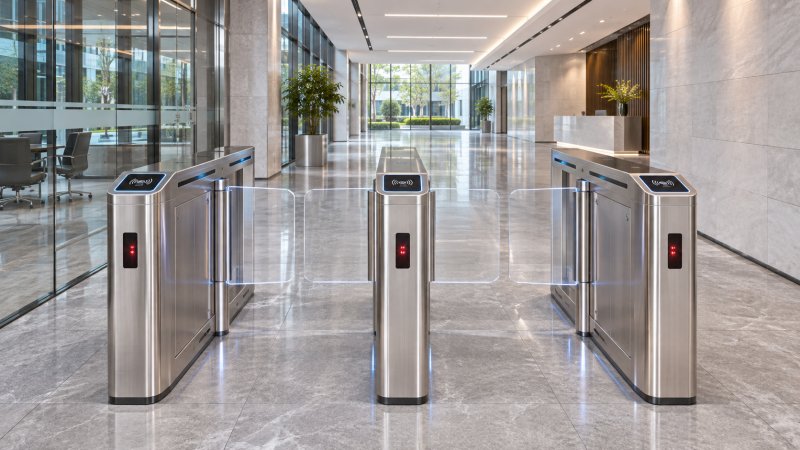
Turnstiles and speed gates add another layer. They must manage throughput, tailgating prevention, safety sensors, and emergency release without creating unacceptable operational friction.
In other words, the product is never only mechanical or only digital. It is a system where attack methods, daily usage, maintenance realities, and certification rules meet in one development track.
What a complete security product development process includes
At its core, the process is a structured route from threat definition to approved market release. It should not be treated as a simple sequence of design, test, and launch.
A mature security product development process usually combines several workstreams at the same time. Each one influences the others.
Risk and attack modeling
The first question is not what the product looks like. It is what the product must resist, detect, delay, or control in a defined operating environment.
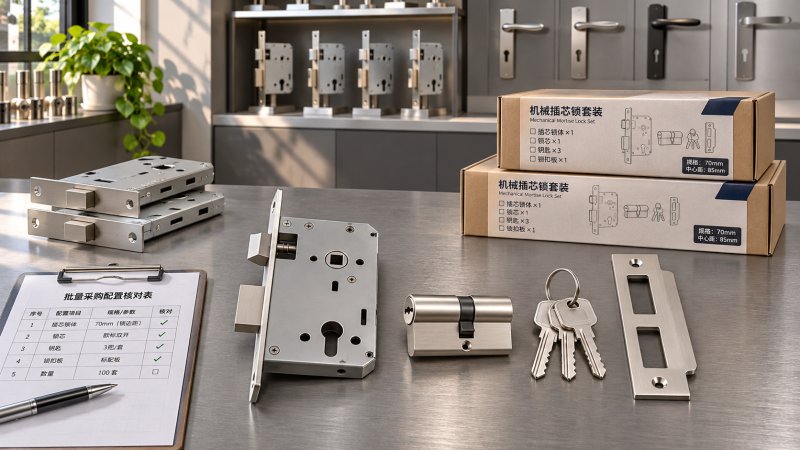
For a lock cylinder, that may include picking, bumping, drilling, and torque attacks. For a smart locker, it may include forced entry, network loss, credential theft, and service abuse.
Performance definition
Teams then translate threats into measurable targets. Examples include opening cycles, false acceptance rates, forced-entry delay time, impact resistance, sensor response, or uptime under unstable connectivity.
Architecture and subsystem coordination
Mechanical design, material selection, electronics, software, and enclosure engineering must evolve together. Many costly failures come from treating these domains as separate projects.
Verification and certification planning
Testing should mirror likely certification routes from the start. If EN, UL, or local access control requirements are considered late, redesign becomes much more expensive.
From threat assessment to design choices
The best development programs turn vague security goals into design decisions that can be defended. That translation step is where many projects either gain clarity or drift into avoidable complexity.
This is why SHPS often frames technologies in context, not isolation. Corundum anti-drill layers, vein recognition, pin-in-pin cylinders, or infrared anti-tailgating systems only matter when matched to clear risk assumptions.
Where projects often lose time and budget
A weak security product development process rarely fails in one dramatic moment. More often, it breaks through small disconnects between departments, suppliers, and approval expectations.
- Threat models are too generic, so testing does not reflect realistic attack methods.
- Industrial design decisions block later improvements in lock geometry, sensor placement, or wiring protection.
- Firmware teams optimize convenience before edge cases such as power loss, jam detection, or offline recovery are defined.
- Certification requirements are reviewed after tooling investment, creating expensive rework.
- Field maintenance is ignored, so replacement parts, calibration, or service access introduce new risks.
These issues are especially visible in products that mix physical barriers with connected control. A door can pass a mechanical test yet still fail market expectations if credential recovery or event logging is unreliable.
Certification is not the last step
Certification is often described as the finish line, but that view is too narrow. In practice, compliance standards shape the entire security product development process.
Standards such as EN 1143-1, UL test frameworks, access control rules, electrical safety requirements, and regional market approvals influence architecture, material thickness, audit functions, and validation methods.
When teams use certification only as a final checkpoint, they usually learn hard lessons late. When certification logic is embedded early, development becomes more predictable.
Useful questions before formal testing
- Which target markets and standards define the minimum acceptable performance?
- What pre-compliance tests can expose failure modes before laboratory submission?
- Do supplier components carry traceable quality and consistency data?
- Can the current design tolerate manufacturing variation without losing security performance?
How to apply the process in real business settings
In actual programs, the goal is not to make the process heavier. The goal is to make decisions earlier, with better evidence and fewer assumptions.
A practical security product development process usually benefits from stage reviews tied to risk closure, not only calendar milestones. That keeps commercial pressure from hiding unresolved vulnerabilities.
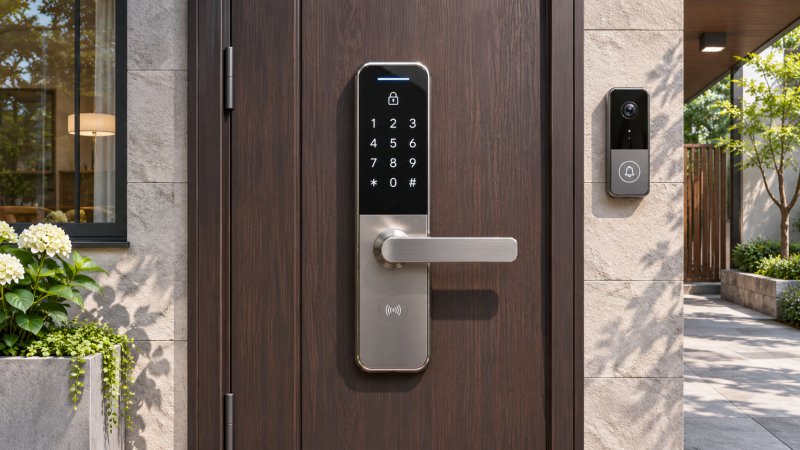
For example, a biometric lock review should cover spoof resistance, lock body endurance, battery behavior, secure enrollment, and emergency opening logic together. Separating them creates blind spots.
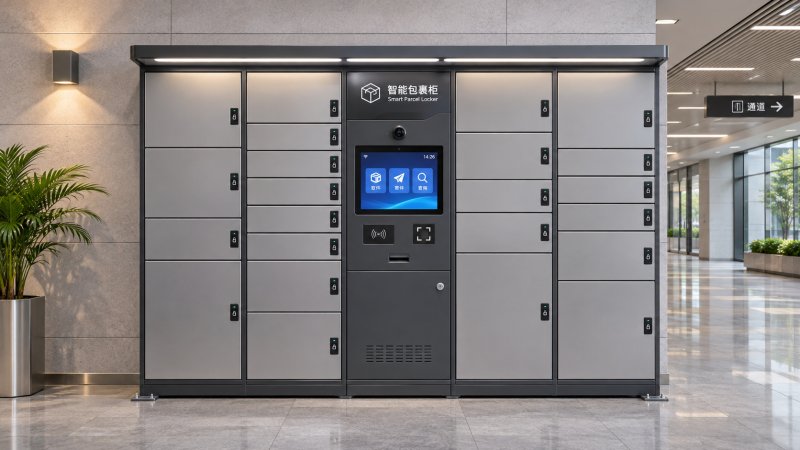
A parcel locker program should assess cabinet strength, remote software recovery, user identity workflow, and tamper evidence as one operating system. Network convenience alone does not make it secure.
This cross-functional view is also valuable during supplier evaluation. Materials, actuators, lock mechanisms, sensors, and embedded modules should be reviewed for both performance and certification compatibility.
Signals of a stronger development program
Not every team needs the same workflow depth. Still, strong programs usually share several visible traits.
- Security requirements are written in measurable terms, not broad marketing language.
- Attack scenarios include mechanical, electronic, software, and user-behavior dimensions.
- Prototype reviews include failure analysis, not only feature demonstrations.
- Certification planning appears alongside design planning, supplier planning, and production planning.
- Field conditions such as dust, vibration, humidity, abuse, and maintenance access are tested early.
That is often the difference between a product that looks competitive on paper and one that holds up in buildings, logistics networks, financial facilities, or restricted access environments.
A sensible next step
The most useful next move is to map one active product line against its current security product development process. Focus on where risks are defined, where certification assumptions enter, and where redesigns usually appear.
From there, compare product claims with actual test evidence, supplier consistency, and target-market compliance needs. That exercise often reveals whether the process is supporting security performance or only documenting it afterward.
For organizations tracking smart hardware and physical security trends through SHPS, the advantage is not just technical visibility. It is the ability to connect materials, biometrics, locking structures, access control logic, and certification pathways into better development judgment.
When that judgment is built early, the path from risk analysis to certification becomes shorter, clearer, and far more reliable.
Have questions about this sector analysis, or seeking best practices specific to your niche? Drop us a line below and let the senior consultants at MHLS assist you.
We respect your privacy. Your information is strictly confidential.
Recommended News
 Physical Security Infrastructure Cost: Budgeting for Installation and MaintenanceUnmanned Terminal FellowUnderstand physical security infrastructure cost and build a smarter budget for installation, maintenance, and long-term ownership.
 Financial Facility Security: Choosing Vault Doors for Bank BranchesVault Structural ArchitectStrengthen financial facility security with the right bank vault door. Explore certification, installation, locking controls and maintenance before you buy.
 MACO Acquires Majority Stake in Fingerprint Access Provider ekeyProf. Elara SterlingMACO acquires a majority stake in ekey, bringing fingerprint access and door hardware closer together. Discover what the deal could mean for smart buildings.
 Physical Security System Engineering: From Risk Assessment to System DesignUnmanned Terminal FellowExplore physical security system engineering, from risk assessment to integrated design, procurement and testing. Build a safer, more resilient facility.
 Apple Home Collection Smart Lock and Other Accessories Open for Preorder November 13Biometric Auth ScientistApple Home Collection preorders open November 13, 2026. Explore the LG smart lock’s Matter and Aliro support and what buyers should verify before ordering.
 Choosing Servo-Driven Flap Barriers: Throughput, Safety and Access ControlAccess Control StrategistServo-driven flap barriers can balance throughput, safety and access control. Discover how to compare lanes, test performance and choose with confidence.
 Parcel Locker Network Pricing: Setup Costs, Fees and Contract TermsUnmanned Terminal FellowCompare parcel locker networks pricing, from setup costs and recurring fees to contract terms. Discover hidden charges and choose the right model.
 JR East Plans UWB Walk-Through Gates at 40 Stations in Spring 2028Access Control StrategistJR East plans UWB walk-through gates at 40 stations in spring 2028. Explore the rollout timeline and what suppliers should watch.
 Bank Vault Security Standards: UL and EN Ratings ExplainedVault Structural ArchitectExplore bank vault security standards and learn how UL 608 classes and EN 1143-1 grades differ, what they test, and how to verify certification before you buy.
 Mechanical Lock Hardware Prices: What Buyers Should Budget for Bulk OrdersMr. Gideon CrossMechanical lock hardware price is just the starting point. Discover what drives bulk-order costs and how to compare supplier quotes with confidence.
 IndexBox Forecasts Steady Global Security Keypad Market Growth Through 2035Dr. Valerius ThorneGlobal security keypad market growth is forecast at 3.3% annually through 2035. Explore the smart home and replacement trends shaping demand.
 Choosing an Infrared Safety Sensors Manufacturer: What Buyers Should CheckUnmanned Terminal FellowChoosing an infrared safety sensors manufacturer? Compare safety evidence, integration, environmental performance and lifecycle costs before you buy.