UL Security Certification Process: Steps, Testing Requirements, and Timeline
Where does the UL security certification process actually begin?
For technical evaluators, the UL security certification process starts long before a sample reaches a lab. The real starting point is product definition: what the device is, which market it is meant for, what security function it performs, and which UL standard or standards are supposed to apply.
That sounds obvious, but this is where many projects drift off course. A biometric lock, parcel locker controller, protective enclosure, or safe lock component may involve different certification routes depending on whether UL is evaluating burglary resistance, electrical safety, access control performance, environmental exposure, or a combination of these. If the scope is framed too broadly, testing becomes expensive and slow. If it is framed too narrowly, the certificate may not support the intended sales claim.
Before application, evaluators should ask for the product description, intended installation environment, electrical ratings if applicable, lock or access function, materials summary, drawings, bill of materials, and any previous test reports. Without that package, it is hard to judge whether the proposed UL path is realistic or just aspirational.
How do you know which UL standard applies?
You do not start with the marketing name of the product. You start with the function being certified. That is the cleanest way to map a product into the right UL framework.
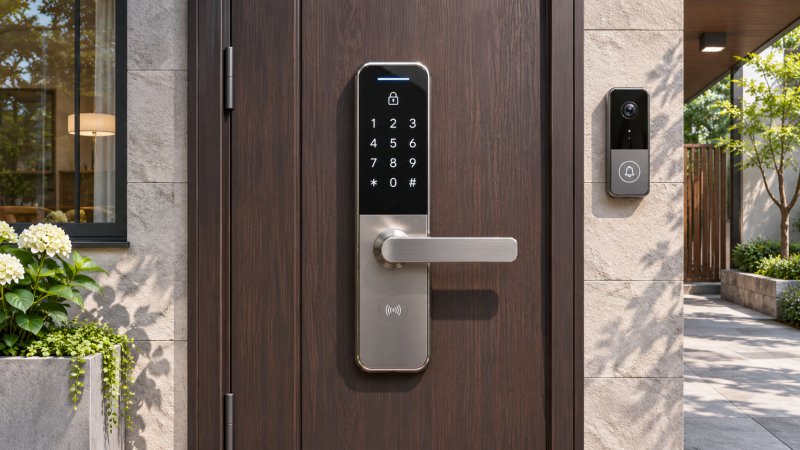
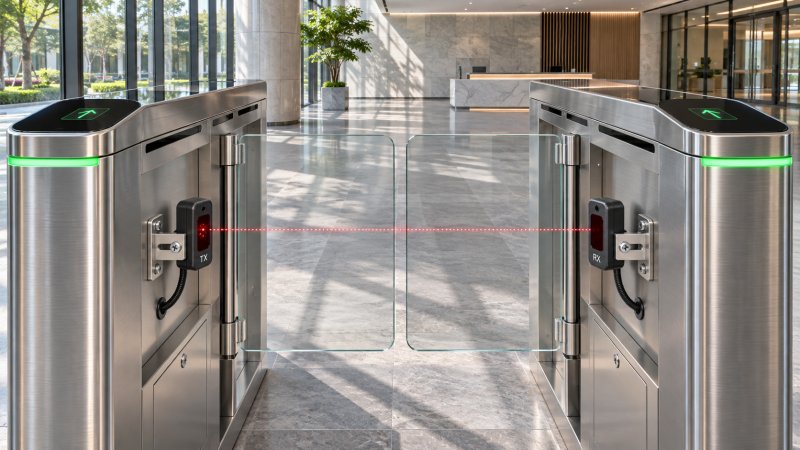
For example, a smart lock may involve electrical safety and access-control-related evaluation, while a safe or vault product may be tied to a burglary or security performance standard. A turnstile or locker system may involve both hardware integrity and powered system elements. In practice, one product can touch more than one standard, and that affects schedule, sample count, and documentation burden.
A useful screening method is to compare four things side by side:
When those four items do not line up, the certification path usually needs correction.
What are the main steps in the UL security certification process?
At a practical level, most projects move through the same core stages even if the exact test program changes by product type.
- Scope definition and standard selection.
- Application submission with drawings, component information, ratings, construction details, and user documentation.
- Engineering review to identify gaps before full testing begins.
- Sample preparation and submission.
- Testing against the applicable security, safety, endurance, or environmental requirements.
- Correction cycle if the sample fails or documentation does not match construction.
- Final certification decision and listing or recognition, depending on the program.
- Factory follow-up or production surveillance where the program requires ongoing compliance control.
Technical evaluators should pay attention to the correction cycle. That is where schedules usually slip. A project rarely stalls because testing exists; it stalls because the tested sample, the drawings, the firmware version, and the production-intended build are not aligned.

What testing requirements should you expect?
There is no single universal UL test package for all security products. Testing requirements depend on the standard and the product function. Still, most evaluations fall into a few recurring categories.
- Construction review: materials, fasteners, locking elements, enclosure design, spacing, protective features, and critical components.
- Electrical safety tests: insulation, abnormal operation, temperature rise, power input conditions, and protection against shock or fire, where electronics are involved.
- Mechanical endurance: repeated operation of locks, bolts, doors, latches, hinges, or access mechanisms.
- Security performance: resistance to tampering, attack, bypass, forced entry methods, or defeat of the intended protective function, depending on the standard.
- Environmental or reliability exposure: humidity, temperature, corrosion, vibration, or ingress-related checks when the application requires it.
- Software or control behavior review: often relevant in connected access devices, especially where a hardware response depends on logic states, alarms, authentication, or fail-safe behavior.
A common mistake is assuming that passing internal durability tests is enough. UL testing does not just ask whether the product still works. It asks whether the product still works within the approved construction and under the conditions required by the standard. That distinction matters.
Which documents usually hold up approval?
Drawings and parts documentation cause more trouble than many teams expect. A sample can perform well in the lab and still be delayed because the submitted file set does not fully describe the certified build.
The most sensitive items are usually:
- assembly drawings showing the exact locking or protective structure;
- critical component list, especially for power supplies, controllers, sensors, batteries, connectors, and certified subcomponents;
- material specifications for housings, barriers, boltwork, or attack-resistant layers where relevant;
- firmware or software version identification when behavior affects compliance;
- installation instructions and field wiring details;
- product markings and label artwork.
If an evaluator wants to judge readiness quickly, this is the simplest test: can the factory build the exact same unit from the submitted documents without informal tribal knowledge? If not, the file package is not ready.
How long does UL certification usually take?
The timeline depends on complexity, standard scope, sample maturity, and how many correction rounds occur. There is no reliable one-number answer across all security hardware categories, but technical teams can still estimate schedule risk by looking at the workstream, not just the lab calendar.
A relatively mature product with complete documentation and a narrow certification scope may move steadily. A new platform with custom electronics, embedded control logic, or attack-resistance claims can take much longer because failures often trigger redesign, not just retest.
For planning purposes, break the timeline into these blocks:
- pre-application scoping and document cleanup;
- engineering review and quotation stage;
- sample build and shipment;
- active test time;
- failure analysis and redesign if needed;
- final report processing and certification release;
- factory inspection readiness.
When procurement or launch dates are tight, the right question is not “How fast is UL?” It is “How many unresolved variables are still inside the product?” That usually predicts the schedule better.
Does passing a lab test mean the production version is covered?
Only if the production version matches the certified construction. This is where some sourcing and engineering teams get caught. A lab sample is not a free pass for unlimited production changes.
Changes to enclosure thickness, lock body geometry, controller boards, relays, power modules, biometric sensors, cable routing, firmware behavior, or even supplier substitutions may affect certification status. Some changes are minor. Some trigger engineering review or partial retesting. The issue is not whether the new part “looks equivalent.” The issue is whether it remains within the certified design basis.
For evaluators reviewing a supplier, ask for the certification file reference, the controlled bill of materials, and the change-control process used after listing. If the supplier cannot explain how certified configurations are frozen and updated, the compliance risk remains open.
What usually causes failure or retest in security hardware projects?
Three patterns come up again and again.
The first is a scope mismatch. The team believes it is certifying a lock, but the actual marketed product is a connected access device with power, communication, and software behavior that expand the review.
The second is sample immaturity. Prototype builds often include hand adjustments, temporary shielding, debug firmware, or unapproved components. Those shortcuts may help development, but they are poor certification material.
The third is documentation lag. Engineering changes after submission, but the drawing set does not catch up. When the lab sees one construction and the paperwork shows another, the project slows immediately.
In security products specifically, tamper points, emergency release behavior, backup power transitions, mounting weakness, and component substitutions deserve extra attention because they often sit at the boundary between “works in demo” and “passes formal evaluation.”
What should a technical evaluator ask a supplier before relying on a UL mark?
Ask for evidence that ties the mark to the exact product being quoted, not just to a product family name. That means checking the certification identification, model designation, critical options, installation conditions, and any limitations in the report or listing record.
Useful questions include:
- Which standard was used for this certification?
- Is the quoted model exactly the listed model, or a variant?
- Which components are safety- or security-critical in the certified build?
- What changes since certification have been reviewed?
- What are the installation restrictions or field conditions attached to the certification?
- Is ongoing factory surveillance part of the program?
That level of questioning is not administrative overkill. It is the difference between buying a compliant product and buying a product that merely references compliance language.
Is UL certification enough on its own for market entry?
Often no. UL certification can be a major part of market access or procurement qualification, but it is not automatically the whole compliance picture. A security product may still need additional regional approvals, code alignment, sector-specific requirements, or customer-side technical acceptance.
For technical evaluators, the practical move is to separate three questions: did the product pass the UL security certification process for the intended standard; does that certification cover the exact configuration being purchased; and does that coverage satisfy the end market, insurer, authority, or project specification? Those are related questions, but they are not the same.
A sound review sequence is simple: define the required claim, identify the applicable UL route, verify test scope and certified construction, then compare that result against the actual bid or deployment condition. That approach catches most certification gaps before they become contract or field problems.
Have questions about this sector analysis, or seeking best practices specific to your niche? Drop us a line below and let the senior consultants at MHLS assist you.
We respect your privacy. Your information is strictly confidential.
Recommended News
 Physical Security Infrastructure Cost: Budgeting for Installation and MaintenanceUnmanned Terminal FellowUnderstand physical security infrastructure cost and build a smarter budget for installation, maintenance, and long-term ownership.
 Financial Facility Security: Choosing Vault Doors for Bank BranchesVault Structural ArchitectStrengthen financial facility security with the right bank vault door. Explore certification, installation, locking controls and maintenance before you buy.
 MACO Acquires Majority Stake in Fingerprint Access Provider ekeyProf. Elara SterlingMACO acquires a majority stake in ekey, bringing fingerprint access and door hardware closer together. Discover what the deal could mean for smart buildings.
 Physical Security System Engineering: From Risk Assessment to System DesignUnmanned Terminal FellowExplore physical security system engineering, from risk assessment to integrated design, procurement and testing. Build a safer, more resilient facility.
 Apple Home Collection Smart Lock and Other Accessories Open for Preorder November 13Biometric Auth ScientistApple Home Collection preorders open November 13, 2026. Explore the LG smart lock’s Matter and Aliro support and what buyers should verify before ordering.
 Choosing Servo-Driven Flap Barriers: Throughput, Safety and Access ControlAccess Control StrategistServo-driven flap barriers can balance throughput, safety and access control. Discover how to compare lanes, test performance and choose with confidence.
 Parcel Locker Network Pricing: Setup Costs, Fees and Contract TermsUnmanned Terminal FellowCompare parcel locker networks pricing, from setup costs and recurring fees to contract terms. Discover hidden charges and choose the right model.
 JR East Plans UWB Walk-Through Gates at 40 Stations in Spring 2028Access Control StrategistJR East plans UWB walk-through gates at 40 stations in spring 2028. Explore the rollout timeline and what suppliers should watch.
 Bank Vault Security Standards: UL and EN Ratings ExplainedVault Structural ArchitectExplore bank vault security standards and learn how UL 608 classes and EN 1143-1 grades differ, what they test, and how to verify certification before you buy.
 Mechanical Lock Hardware Prices: What Buyers Should Budget for Bulk OrdersMr. Gideon CrossMechanical lock hardware price is just the starting point. Discover what drives bulk-order costs and how to compare supplier quotes with confidence.
 IndexBox Forecasts Steady Global Security Keypad Market Growth Through 2035Dr. Valerius ThorneGlobal security keypad market growth is forecast at 3.3% annually through 2035. Explore the smart home and replacement trends shaping demand.
 Choosing an Infrared Safety Sensors Manufacturer: What Buyers Should CheckUnmanned Terminal FellowChoosing an infrared safety sensors manufacturer? Compare safety evidence, integration, environmental performance and lifecycle costs before you buy.