
How to Evaluate a Physical Security Supplier for Multi-Site Security Projects
How to Evaluate a Physical Security Supplier for Multi-Site Security Projects
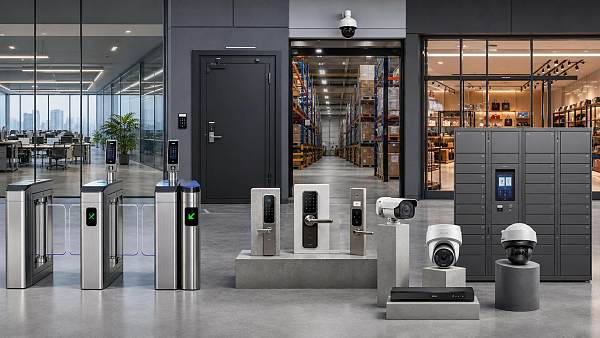
Choosing a physical security supplier for a multi-site rollout is rarely a simple price exercise. A single weak link can affect installation speed, system uptime, site compliance, and long-term operating cost.
That becomes more obvious when projects span offices, warehouses, retail stores, residential assets, or mixed-use facilities. Each location may face different access patterns, threat levels, and local regulations.
A reliable physical security supplier should do more than ship hardware. It should support planning, integration, deployment consistency, service response, and future expansion without creating unnecessary operational risk.
In practice, supplier evaluation works best when procurement and security teams look at technical capability, manufacturing discipline, compliance readiness, and commercial stability together.
Start With the Project Scope, Not the Catalog
Before comparing any physical security supplier, define what the project actually demands. Many sourcing mistakes start when teams review products before clarifying site conditions and rollout expectations.
Build a requirement map that covers every location. Include entry types, asset value, user volume, operational hours, environmental exposure, and expected integration with access control or building systems.
This also helps separate core requirements from optional features. A strong physical security supplier will usually ask these questions early, because they shape the right product architecture.
- How many sites are included in phase one and full rollout?
- Do locations require smart locks, protective doors, turnstiles, parcel lockers, or mixed solutions?
- Are there certified resistance or safety standards that must be met?
- Will local installers need remote commissioning support?
- What level of spare parts coverage is needed?
A physical security supplier that cannot align products with a multi-site operating model usually becomes a coordination problem later. Early clarity reduces both procurement friction and post-installation surprises.
Check Technical Depth and System Compatibility
For multi-site security projects, hardware quality alone is not enough. The physical security supplier must also understand how products behave inside a broader security ecosystem.
Ask whether the supplier can support integration with access control platforms, visitor systems, building management software, alarm workflows, or locker management networks where relevant.
Compatibility matters even more when sites vary. One warehouse may need anti-tailgating speed gates, while another site may need biometric locks or reinforced doors with mechanical override.
A capable physical security supplier should provide technical documentation that goes beyond marketing language. Look for wiring logic, communication protocols, interface options, API readiness, and environmental ratings.
- Request detailed product specifications and installation drawings.
- Confirm supported protocols, firmware management, and user credential methods.
- Review failure modes, fallback access methods, and emergency release behavior.
- Ask for reference architectures from similar deployments.
If the physical security supplier struggles to answer these points clearly, the technical risk is already visible. In real deployments, unclear interfaces often lead to delays, rework, and avoidable integration cost.
Verify Compliance, Testing, and Product Claims
Compliance is one of the fastest ways to separate a credible physical security supplier from a risky one. This is especially important when projects involve insurers, regulated assets, or cross-border procurement.
Do not rely on broad claims such as “high security” or “tested quality.” Ask for specific certifications, laboratory reports, standard references, and model-level documentation.
Depending on the product category, that may include EN 1143-1, UL-related testing, fire resistance data, anti-drill performance, biometric accuracy validation, or electrical safety documentation.
A serious physical security supplier should also explain the scope of each test. That matters because certified components do not automatically mean the full system is certified in the same way.
- Check whether reports match the exact product model offered.
- Confirm validity dates and issuing bodies.
- Ask whether any key option changes affect certification status.
- Review local code implications for each site region.
This step protects procurement from a common problem: buying a solution that looks compliant in a brochure but fails approval during implementation or insurance review.
Assess Manufacturing Stability and Delivery Discipline
A multi-site project needs repeatability. Even a technically strong physical security supplier can become a weak choice if production quality varies from batch to batch.
Look at the supplier’s manufacturing controls, supplier chain resilience, and change management process. You need confidence that units shipped in month one will match units shipped later.
This is particularly relevant for locks, door assemblies, turnstiles, safes, locker modules, and any product with tight mechanical or electronic tolerances.
A dependable physical security supplier should be able to show process discipline, not just capacity. Delivery confidence is often more valuable than a low quote with unstable execution.
Review Service Model, Support Coverage, and Upgrade Path
Multi-site procurement decisions should account for what happens after installation. Service gaps usually appear later, but they are created during supplier selection.
A good physical security supplier should define how support works across commissioning, training, troubleshooting, warranty handling, firmware updates, and replacement logistics.
That matters even more for distributed projects. Some sites may have experienced contractors. Others may rely heavily on remote diagnostics or factory-level technical support.
The upgrade path also deserves attention. A physical security supplier should explain whether future expansions can reuse the same platform, credentials, hardware families, and management tools.
- Review response times for technical issues.
- Check spare parts and warranty workflows by region.
- Confirm onboarding materials for installers and operators.
- Ask how product end-of-life transitions are managed.
From a cost perspective, stable post-sales support often reduces total ownership cost more than small savings at purchase stage. That is a practical point many teams underestimate.
Compare Total Cost, Not Just Initial Price
When evaluating a physical security supplier, the lowest quotation may hide the highest project cost. Multi-site programs create expenses that are easy to miss during early sourcing.
Look beyond unit pricing. Include installation complexity, integration labor, freight, customs risk, training needs, software dependencies, replacement parts, and service visits.
A stronger physical security supplier may charge more upfront yet reduce deployment errors, downtime, and maintenance burden across dozens of sites. That difference becomes meaningful over several years.
- Calculate rollout cost per site, not only per unit.
- Estimate failure-related service cost over the warranty period.
- Model expansion cost for future locations.
- Factor in compliance delays and reapproval risk.
This approach gives procurement a better basis for decision-making. It also makes supplier comparisons more defensible when finance, operations, and security teams review the final recommendation.
Use a Practical Scorecard Before Awarding the Project
A structured scorecard helps turn supplier claims into comparable evidence. It also keeps the selection process focused when several stakeholders view risk differently.
Score each physical security supplier across technical fit, compliance, manufacturing reliability, service capability, delivery confidence, and total cost. Weight each factor according to project priorities.
Where possible, validate claims through pilot installations, factory audits, sample testing, and customer references from similar sectors. Reference quality matters more than reference quantity.
The right physical security supplier is usually the one that combines credible engineering, predictable execution, and long-term support with a commercial model that fits the rollout plan.
For multi-site security projects, a disciplined evaluation process protects more than budget. It protects implementation speed, operational continuity, and the security performance of every location added later.
Before issuing the final purchase decision, review whether the chosen physical security supplier can scale with the business, respond under pressure, and support the full lifecycle of the system.
Have questions about this sector analysis, or seeking best practices specific to your niche? Drop us a line below and let the senior consultants at MHLS assist you.
We respect your privacy. Your information is strictly confidential.
Recommended News
 Physical Security Infrastructure Cost: Budgeting for Installation and MaintenanceUnmanned Terminal FellowUnderstand physical security infrastructure cost and build a smarter budget for installation, maintenance, and long-term ownership.
 Financial Facility Security: Choosing Vault Doors for Bank BranchesVault Structural ArchitectStrengthen financial facility security with the right bank vault door. Explore certification, installation, locking controls and maintenance before you buy.
 MACO Acquires Majority Stake in Fingerprint Access Provider ekeyProf. Elara SterlingMACO acquires a majority stake in ekey, bringing fingerprint access and door hardware closer together. Discover what the deal could mean for smart buildings.
 Physical Security System Engineering: From Risk Assessment to System DesignUnmanned Terminal FellowExplore physical security system engineering, from risk assessment to integrated design, procurement and testing. Build a safer, more resilient facility.
 Apple Home Collection Smart Lock and Other Accessories Open for Preorder November 13Biometric Auth ScientistApple Home Collection preorders open November 13, 2026. Explore the LG smart lock’s Matter and Aliro support and what buyers should verify before ordering.
 Choosing Servo-Driven Flap Barriers: Throughput, Safety and Access ControlAccess Control StrategistServo-driven flap barriers can balance throughput, safety and access control. Discover how to compare lanes, test performance and choose with confidence.
 Parcel Locker Network Pricing: Setup Costs, Fees and Contract TermsUnmanned Terminal FellowCompare parcel locker networks pricing, from setup costs and recurring fees to contract terms. Discover hidden charges and choose the right model.
 JR East Plans UWB Walk-Through Gates at 40 Stations in Spring 2028Access Control StrategistJR East plans UWB walk-through gates at 40 stations in spring 2028. Explore the rollout timeline and what suppliers should watch.
 Bank Vault Security Standards: UL and EN Ratings ExplainedVault Structural ArchitectExplore bank vault security standards and learn how UL 608 classes and EN 1143-1 grades differ, what they test, and how to verify certification before you buy.
 Mechanical Lock Hardware Prices: What Buyers Should Budget for Bulk OrdersMr. Gideon CrossMechanical lock hardware price is just the starting point. Discover what drives bulk-order costs and how to compare supplier quotes with confidence.
 IndexBox Forecasts Steady Global Security Keypad Market Growth Through 2035Dr. Valerius ThorneGlobal security keypad market growth is forecast at 3.3% annually through 2035. Explore the smart home and replacement trends shaping demand.
 Choosing an Infrared Safety Sensors Manufacturer: What Buyers Should CheckUnmanned Terminal FellowChoosing an infrared safety sensors manufacturer? Compare safety evidence, integration, environmental performance and lifecycle costs before you buy.











