
Security Hardware Distribution Channels Explained: Importers, OEM, and Regional Dealers
Why Distribution Structure Matters in Security Hardware
Security hardware distribution channels shape far more than product movement. They influence margin, lead time, technical support, compliance confidence, and the ability to build a dependable local market.
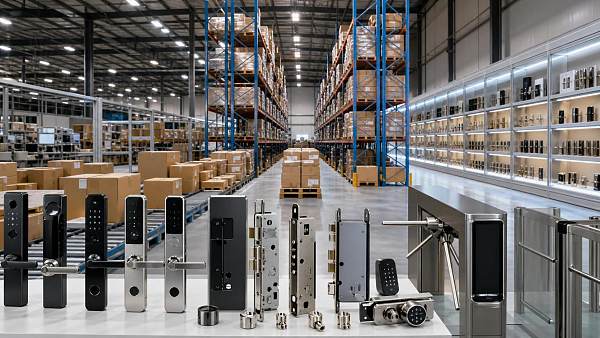
That matters across smart locks, safes, vault systems, protective doors, access control turnstiles, parcel lockers, and mechanical locking components.
In physical security, channel decisions affect real-world outcomes. A delayed biometric lock shipment can stall a housing rollout. Weak certification support can derail a vault tender. Limited spare parts can damage long-term credibility.
Understanding security hardware distribution channels helps clarify where value is created and where risk enters the supply chain.
The main routes usually involve importers, OEM or ODM manufacturers, master distributors, and regional dealers. Each route serves different commercial goals.
For businesses active in global smart hardware and physical security systems, channel choice is now a strategic decision rather than a logistics detail.
The Core Models Behind Security Hardware Distribution Channels
At a basic level, security hardware distribution channels describe how products move from factory to end market.
An importer usually buys from overseas factories, handles customs, manages local inventory, and resells into a national or regional network.
An OEM manufacturer produces hardware for another brand. In security, this often applies to fingerprint smart locks, lock bodies, cylinders, speed gates, or electronic locker systems.
Regional dealers work closer to project sites and local installers. They often provide market access, local relationships, after-sales coordination, and faster response to specification changes.
Some supply chains combine all three. A factory builds the product, an importer carries stock, and regional dealers cover installation zones or targeted sectors.
That layered model is common when products require both technical explanation and local service, which is typical in physical security infrastructure.
Where complexity starts
Security products are rarely simple commodities. A mechanical lock cylinder may need local key profile control. A safe may require burglary resistance documentation. A turnstile may need software integration.
Because of that, the strongest channel is not always the shortest one. It is the one that preserves product integrity while keeping service practical.
Why the Industry Is Watching Channel Quality More Closely
The market is no longer driven only by price. Technical validation, certification readiness, software reliability, and installation support now carry more weight.
This is especially true in segments covered by SHPS, where hardware performance connects with compliance, materials science, biometrics, and system integration.
A distributor evaluating anti-drill safes, for example, needs more than a catalog. Test standards, body construction, lock configuration, and transport handling all matter.
The same applies to biometric access devices. Liveness detection, spoof resistance, firmware stability, and API support all affect channel suitability.
As product categories become smarter, security hardware distribution channels must carry both physical goods and technical knowledge.
Importers: Strong for Stock, Speed, and Market Entry
Importers often become the first practical bridge between overseas security hardware factories and domestic project demand.
Their value is clearest when lead time matters. Locally held stock can shorten delivery for smart door locks, electronic cylinders, turnstile parts, or locker modules.
Importers can also simplify landed cost visibility. Freight, duty, local warranty handling, and documentation are easier to manage through one local counterpart.
Still, not every importer is equipped for deeper technical support. For advanced products, the key question is whether the importer understands deployment risk, not just price lists.
This becomes critical with high-security safes, EN 1143-1 graded products, biometric readers, or access systems that must integrate with building platforms.
What to verify with an importer
- Available stock depth across core SKUs and spare parts
- Ability to provide certification files and test references
- Warranty process and local replacement timelines
- Technical response speed for installation or firmware issues
- Territory discipline and pricing consistency
OEM and ODM Routes: Better for Differentiation
OEM-driven security hardware distribution channels are usually chosen when private labeling, feature control, or category differentiation matters more than immediate stock availability.
This route works well in smart locks, lock cylinders, access control hardware, parcel lockers, and selected safe categories.
The benefit is obvious. Branding, firmware behavior, key mechanical features, packaging, and even compliance planning can be aligned with a target market.
The tradeoff is complexity. Minimum order quantities, qualification testing, tooling changes, and longer communication loops all need attention.
In practical terms, OEM relationships perform best when product scope is stable and channel partners can forecast demand with discipline.
For example, a fingerprint lock program may require mobile app localization, anti-spoofing settings, and regional certification planning before commercial launch.
A parcel locker system may need 4G or 5G communication options, electronic lock endurance data, and software interface support for local operators.
Signs of a workable OEM partnership
A serious OEM partner can explain materials, testing paths, field failure patterns, and component traceability without hiding behind generic brochures.
That standard matters in physical security because channel reputation is tied directly to product reliability in the field.
Regional Dealers and the Local Reality of Security Projects
Regional dealers remain essential because many security hardware decisions are still made close to the installation site.
Local building codes, installer habits, service expectations, and project relationships all affect which products actually win orders.
This is especially true for protective doors, safes, vault rooms, speed gates, anti-tailgating systems, and electronic access upgrades.
Regional dealers often translate technical products into workable local solutions. They can identify whether a turnstile needs higher throughput, whether a lock body matches common door formats, or whether a safe specification is overbuilt.
In many markets, the dealer is also the first filter for warranty reputation. That makes service discipline as important as sales coverage.
How to Compare Security Hardware Distribution Channels in Practice
Choosing among security hardware distribution channels starts with product behavior, not channel labels.
A low-complexity mechanical accessory can move through a lighter structure. A biometric lock platform or graded vault product usually needs tighter technical backing.
A useful comparison framework includes commercial, technical, and operational dimensions.
This is where platforms like SHPS become useful. Market intelligence, compliance context, technology analysis, and supplier visibility help separate strong channel structure from superficial availability.
Common Risks Hidden Inside the Wrong Channel Choice
The wrong route often looks acceptable at quotation stage. Problems appear later.
A few warning signs deserve attention:
- Certification claims without accessible test evidence
- No clear process for firmware updates or technical escalation
- Exclusive territory promises without stock commitment
- Private label offers without component traceability
- After-sales support built around one individual rather than a system
These issues are especially costly in security, where failure can affect access continuity, property protection, insurance alignment, and site reputation.
A Practical Next Step for Channel Evaluation
The most effective way to review security hardware distribution channels is to map the product category against support intensity, compliance burden, and local service needs.
That usually reveals whether importer stock, OEM control, or regional coverage should lead the model.
For high-security safes, biometric locks, access control turnstiles, protective doors, or parcel locker systems, channel quality should be measured by technical depth as much as price.
A disciplined review should compare documentation readiness, spare parts strategy, deployment complexity, and accountability after installation.
From there, the next move is straightforward: narrow the shortlist, validate real operating support, and build channel selection around repeatable field performance rather than brochure claims.
- high-security safes
- physical security systems
- security infrastructure
- access control hardware
- speed gates
- anti-tailgating systems
- physical security infrastructure
- security hardware distribution
- access control turnstiles
- physical security
- vault systems
- protective doors
- liveness detection
- EN 1143-1
- security hardware
- security hardware distribution channels
Have questions about this sector analysis, or seeking best practices specific to your niche? Drop us a line below and let the senior consultants at MHLS assist you.
We respect your privacy. Your information is strictly confidential.
Recommended News
 Parcel Locker Network Pricing: Setup Costs, Fees and Contract TermsUnmanned Terminal FellowCompare parcel locker networks pricing, from setup costs and recurring fees to contract terms. Discover hidden charges and choose the right model.
 JR East Plans UWB Walk-Through Gates at 40 Stations in Spring 2028Access Control StrategistJR East plans UWB walk-through gates at 40 stations in spring 2028. Explore the rollout timeline and what suppliers should watch.
 Bank Vault Security Standards: UL and EN Ratings ExplainedVault Structural ArchitectExplore bank vault security standards and learn how UL 608 classes and EN 1143-1 grades differ, what they test, and how to verify certification before you buy.
 Mechanical Lock Hardware Prices: What Buyers Should Budget for Bulk OrdersMr. Gideon CrossMechanical lock hardware price is just the starting point. Discover what drives bulk-order costs and how to compare supplier quotes with confidence.
 IndexBox Forecasts Steady Global Security Keypad Market Growth Through 2035Dr. Valerius ThorneGlobal security keypad market growth is forecast at 3.3% annually through 2035. Explore the smart home and replacement trends shaping demand.
 Choosing an Infrared Safety Sensors Manufacturer: What Buyers Should CheckUnmanned Terminal FellowChoosing an infrared safety sensors manufacturer? Compare safety evidence, integration, environmental performance and lifecycle costs before you buy.
 Choosing a Security Material Testing Service: What to Check for Lock and Safe MaterialsProf. Elara SterlingChoose a security material testing service with confidence. Learn what to check for lock and safe materials, from attack methods and accreditation to reliable reports.
 How Precision Anti-Pick Lock Cylinders Resist ManipulationSecurity Metallurgy ExpertDiscover how precision anti-pick lock technology resists manipulation, and learn what to check when comparing security features, test evidence, and everyday reliability.
 Dermalog Joins NIST FastCAP Program for Contactless Fingerprint TestingProf. Elara SterlingDermalog joins the NIST FastCAP program for contactless fingerprint testing. Discover what this means for biometric identification and digital identity.
 Choosing Security Export Compliance Services: What Providers Should CoverMr. Gideon CrossSecurity export compliance services can help prevent costly delays. Discover what to look for in classification, licensing, screening, and documentation.
 European Security Compliance Standards for Safes: EN 1143-1 vs EN 14450Dr. Valerius ThorneExplore security compliance standards Europe buyers need to know. Compare EN 1143-1 and EN 14450 to choose the right safe with confidence.
 HID Global Acquires inepro ID to Expand RFID and BLE Access SolutionsUnmanned Terminal FellowHID Global acquires inepro ID to expand RFID and BLE access solutions for printers, smart lockers and shared devices. Explore what the deal could mean for your organization.











