
Security System Components Suppliers: What to Check Before Comparing Quotes
Comparing quotes from security system components suppliers looks simple until the details start to matter. Unit price may appear competitive, yet real purchasing risk often sits elsewhere.
A lower quote can hide weak certification coverage, unstable lead times, limited integration support, or inconsistent component quality. In physical security projects, those gaps tend to surface after deployment, not before ordering.
That is why quote comparison should begin with a clearer definition of technical scope, compliance expectations, and service boundaries. Better input usually leads to better supplier selection.
Why supplier comparison has become more complex
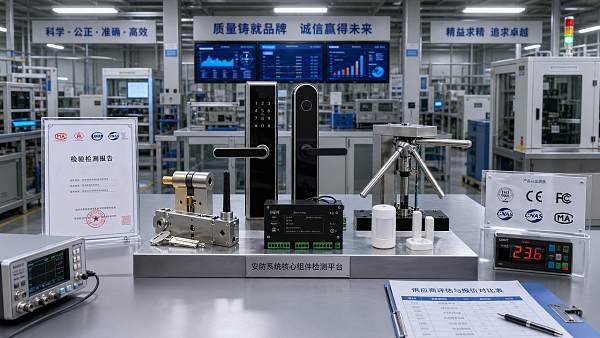
Security hardware is no longer a single-category purchase. Many projects combine mechanical protection, electronics, software connectivity, and building access logic in one procurement package.
A single site may require biometric locks, lock cylinders, protective doors, speed gates, parcel lockers, controllers, sensors, and cloud-connected management tools. Each item affects system reliability.
This is where security system components suppliers must be evaluated beyond catalog breadth. The real question is whether their products can work together under realistic operating conditions.
Industry platforms such as SHPS have made this easier to understand by connecting material performance, biometric technology, compliance testing, and deployment realities into one decision framework.
That broader view matters because physical security now touches residential entrances, commercial buildings, financial facilities, restricted zones, and last-mile logistics infrastructure.
What a quote should actually represent
A quote is not just a price list. It is a compressed statement about product definition, manufacturing capability, certification status, support scope, and delivery confidence.
When reviewing security system components suppliers, it helps to separate visible costs from embedded assumptions. Two offers can look similar while representing very different risk levels.
Core elements behind the number
- Certification scope, including whether test reports match the exact model and configuration offered.
- Component materials, such as anti-drill composites, lock body construction, housing grade, and corrosion resistance.
- Electronic architecture, including controller stability, firmware maturity, and power failure behavior.
- Integration readiness with access control platforms, building systems, and IoT networks.
- After-sales response, spare parts policy, and version control for future maintenance.
In practice, the strongest quote is not always the cheapest one. It is the one that leaves the fewest expensive unknowns.
The checks that should happen before price comparison
Before asking security system components suppliers for final pricing, it is useful to define a structured review list. That prevents suppliers from quoting against different assumptions.
1. Confirm the compliance baseline
Certification should match the application, not just the product category. A safe tested under one standard is not equivalent to a biometric lock tested for spoof resistance.
Depending on the item, relevant references may include EN 1143-1, UL testing, access control safety requirements, electronic lock endurance, or local fire and entry regulations.
2. Check reliability at component level
Failure often begins inside small parts. Lock cylinders, sensors, actuators, infrared curtains, PCB assemblies, and power modules deserve the same attention as finished products.
For example, a turnstile may look robust, yet poor motor control or weak anti-tailgating detection will change the real performance profile.
3. Review integration boundaries
Many security failures are integration failures. Ask whether the supplier supports standard protocols, API documentation, firmware updates, event logs, and third-party platform compatibility.
This is especially relevant for biometric smart locks, parcel locker networks, and access control systems connected to property or facility software.
4. Verify delivery realism
Lead time must reflect production conditions, not sales optimism. Ask about key dependency items, safety stock strategy, export readiness, and whether custom versions affect shipment predictability.
Common comparison points across major product areas
Different security categories require different checks. A useful comparison framework keeps the method consistent while adjusting the technical focus.
This kind of matrix helps compare security system components suppliers on equal terms. It also keeps discussions tied to application outcomes instead of brochure language.
Signals of a dependable supplier relationship
The strongest suppliers usually provide clarity before they provide discounts. Their documents are specific, their technical replies are consistent, and their limitations are stated openly.
That transparency is important when comparing security system components suppliers across regions, especially where export documentation, localization, and installation conditions vary.
Useful positive signals
- Model-specific test evidence instead of generic certificates.
- Clear BOM boundaries for optional modules and accessories.
- Defined warranty terms for electronics, mechanics, and consumable parts.
- Traceable production controls and stable version management.
- Technical support that can explain failure modes, not just features.
In sectors covered by SHPS, this matters because physical security products often combine metallurgy, precision mechanics, embedded electronics, and software logic in one deployment chain.
Where quote comparisons often go wrong
One common mistake is comparing finished units without comparing system boundaries. Another is accepting broad certification language without verifying the tested configuration.
There is also a tendency to ignore maintenance economics. A low-cost device with frequent field failures can become the highest-cost choice over its service life.
For connected products, cyber and network behavior should not be separated from hardware review. Smart locks, parcel lockers, and access platforms depend on secure updates and reliable connectivity.
Even purely mechanical products need careful scrutiny. In cylinders and lock bodies, tolerance control, material hardness, and anti-manipulation structure affect real resistance more than visual appearance.
A practical way to prepare the next comparison round
A better process starts before RFQs are sent. Define the operating environment, threat level, integration target, compliance need, and expected service period.
Then ask all security system components suppliers to quote against the same document set. That usually includes technical specifications, certification expectations, spare parts scope, software requirements, and delivery terms.
If comparisons still feel unclear, narrow the field by risk priority. Eliminate options that fail critical requirements first, then compare commercial value among technically acceptable offers.
For many teams, the most useful next step is building a weighted checklist shaped by the real application. SHPS-style market intelligence can support that work by linking product claims with standards, technology logic, and deployment evidence.
In the end, the goal is not to collect more quotes. It is to compare security system components suppliers with a sharper definition of quality, fit, and long-term reliability.
- biometric smart locks
- smart parcel lockers
- access control systems
- security system components
- speed gates
- electronic lock reliability
- access control platforms
- parcel locker networks
- anti-tailgating detection
- physical security
- vault systems
- protective doors
- liveness detection
- EN 1143-1
- security hardware
- security system components suppliers
Have questions about this sector analysis, or seeking best practices specific to your niche? Drop us a line below and let the senior consultants at MHLS assist you.
We respect your privacy. Your information is strictly confidential.
Recommended News
 Physical Security Infrastructure Cost: Budgeting for Installation and MaintenanceUnmanned Terminal FellowUnderstand physical security infrastructure cost and build a smarter budget for installation, maintenance, and long-term ownership.
 Financial Facility Security: Choosing Vault Doors for Bank BranchesVault Structural ArchitectStrengthen financial facility security with the right bank vault door. Explore certification, installation, locking controls and maintenance before you buy.
 MACO Acquires Majority Stake in Fingerprint Access Provider ekeyProf. Elara SterlingMACO acquires a majority stake in ekey, bringing fingerprint access and door hardware closer together. Discover what the deal could mean for smart buildings.
 Physical Security System Engineering: From Risk Assessment to System DesignUnmanned Terminal FellowExplore physical security system engineering, from risk assessment to integrated design, procurement and testing. Build a safer, more resilient facility.
 Apple Home Collection Smart Lock and Other Accessories Open for Preorder November 13Biometric Auth ScientistApple Home Collection preorders open November 13, 2026. Explore the LG smart lock’s Matter and Aliro support and what buyers should verify before ordering.
 Choosing Servo-Driven Flap Barriers: Throughput, Safety and Access ControlAccess Control StrategistServo-driven flap barriers can balance throughput, safety and access control. Discover how to compare lanes, test performance and choose with confidence.
 Parcel Locker Network Pricing: Setup Costs, Fees and Contract TermsUnmanned Terminal FellowCompare parcel locker networks pricing, from setup costs and recurring fees to contract terms. Discover hidden charges and choose the right model.
 JR East Plans UWB Walk-Through Gates at 40 Stations in Spring 2028Access Control StrategistJR East plans UWB walk-through gates at 40 stations in spring 2028. Explore the rollout timeline and what suppliers should watch.
 Bank Vault Security Standards: UL and EN Ratings ExplainedVault Structural ArchitectExplore bank vault security standards and learn how UL 608 classes and EN 1143-1 grades differ, what they test, and how to verify certification before you buy.
 Mechanical Lock Hardware Prices: What Buyers Should Budget for Bulk OrdersMr. Gideon CrossMechanical lock hardware price is just the starting point. Discover what drives bulk-order costs and how to compare supplier quotes with confidence.
 IndexBox Forecasts Steady Global Security Keypad Market Growth Through 2035Dr. Valerius ThorneGlobal security keypad market growth is forecast at 3.3% annually through 2035. Explore the smart home and replacement trends shaping demand.
 Choosing an Infrared Safety Sensors Manufacturer: What Buyers Should CheckUnmanned Terminal FellowChoosing an infrared safety sensors manufacturer? Compare safety evidence, integration, environmental performance and lifecycle costs before you buy.











