
Smart Security Hardware Market Outlook: Key Growth Drivers, Segments, and Buying Signals
The smart security hardware market is shifting from isolated devices to integrated protection
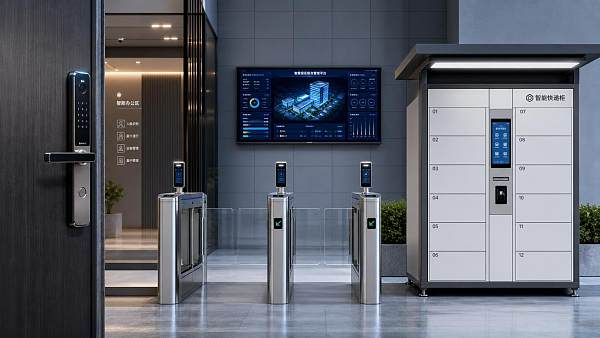
The smart security hardware market is no longer defined by standalone locks, safes, or gates.
What stands out now is integration across physical protection, digital identity, and operational visibility.
That shift is changing how facilities protect entrances, parcels, cash rooms, restricted areas, and residential access points.
It is also changing how the market evaluates value.
Price still matters, but reliability, resistance performance, spoofing control, service life, and compliance readiness are moving closer to the center.
Across the smart security hardware market, demand is being pulled by safer access control, stronger asset protection, and smarter infrastructure planning.
This is especially visible in biometric smart locks, burglary-resistant safes, protective doors, turnstiles, and smart parcel locker networks.
A useful way to read the market is not by product category alone.
It is better understood through the questions buyers are asking: how hard is it to breach, how easy is it to manage, and how well does it fit larger security systems?
Why this change is becoming more visible now
Several forces are converging at the same time.
Physical threats have become more varied, while building systems are becoming more connected and data-driven.
In practical terms, that means buyers want hardware that performs under attack and still works cleanly inside smart environments.
The smart security hardware market is therefore being shaped by both security risk and infrastructure modernization.
- Higher concern about forced entry, tampering, spoofing, and unauthorized access.
- Broader adoption of smart buildings, connected communities, and automated logistics.
- Rising attention to test standards such as EN 1143-1 and UL-related safe performance expectations.
- Stronger demand for audit trails, remote management, and cross-platform access control visibility.
- Pressure to reduce maintenance disruption across large installed hardware fleets.
More importantly, the market is rewarding products that combine material strength with operational intelligence.
That is why topics such as anti-drill composite structures, liveness detection, anti-tailgating sensors, and electronic lock reliability are receiving more attention.
Platforms like SHPS reflect this shift clearly.
The most useful market intelligence now connects mechanical engineering, biometric algorithms, compliance testing, and deployment logic in one view.
Demand is fragmenting, but the buying logic is getting sharper
One of the clearest signals inside the smart security hardware market is segmentation with purpose.
Different applications are no longer satisfied by generic security claims.
Each segment is developing its own performance language.
This matters because growth in the smart security hardware market is not evenly distributed.
Segments tied to measurable risk reduction and system interoperability are attracting stronger attention than hardware with only surface-level smart features.
The strongest growth drivers are technical, operational, and regulatory at the same time
It would be a mistake to read this market as a simple digitization story.
The smart security hardware market is expanding because three layers are reinforcing one another.
Physical performance is under closer scrutiny
Claims around protection now need engineering depth behind them.
That includes anti-drill fillers, reinforced lock bodies, stronger cylinders, and protective doors built for real attack scenarios.
Connected management is no longer optional in many projects
Access events, remote authorization, maintenance alerts, and device health data are becoming standard expectations.
This is especially true where hardware fleets are large or geographically dispersed.
Compliance is influencing early-stage selection
Certification and documented testing are moving upstream in the decision cycle.
Instead of being checked near the end, they now shape shortlist decisions much earlier.
That shift favors suppliers that can explain standards, failure modes, and application boundaries with precision.
The impact is spreading across buildings, logistics, finance, and residential access
The smart security hardware market is broadening because physical security is no longer a narrow facility issue.
It now touches tenant experience, parcel delivery, branch modernization, and insurance-driven risk control.
In commercial buildings, turnstiles and smart locks are being judged on both flow efficiency and incident reduction.
In finance-related environments, safes and vault systems are still core, but digital monitoring and lock event visibility are becoming part of the value case.
In logistics, parcel locker systems are now tied to customer trust, failed-delivery reduction, and site utilization.
In residential and mixed-use projects, convenience alone is no longer enough.
Buyers increasingly ask whether biometric access can resist spoofing and whether fallback mechanics remain dependable after years of use.
That wider impact is why market intelligence providers such as SHPS matter.
The market now needs context that links engineering detail with deployment outcomes, not just headline growth estimates.
What to watch next inside the smart security hardware market
From recent demand patterns, several signals deserve close attention.
- Biometric methods will keep improving, but anti-spoofing credibility will matter more than interface novelty.
- Mechanical hardware will remain essential because electronic security still depends on strong physical resistance layers.
- Smart parcel locker growth will favor operators that can prove uptime, secure access control, and scalable network management.
- Turnstile and speed gate projects will increasingly be specified as part of wider access ecosystems.
- Documentation quality will influence trust almost as much as product features in export and cross-border projects.
These signals suggest a more disciplined market rather than a slower one.
The smart security hardware market is moving toward evidence-based selection, where materials, sensors, software, and standards must reinforce each other.
A practical reading of buyer signals starts with proof, not promises
The next phase of the smart security hardware market will reward clarity.
Not every fast-growing category will deliver durable value, and not every connected feature solves a real security problem.
A stronger approach is to track how each product category performs against attack resistance, operational reliability, integration fit, and compliance evidence.
That means comparing biometric methods beyond convenience claims, reviewing safe and vault certifications in detail, and testing whether access systems can scale without creating management blind spots.
It also means watching how application scenarios are evolving.
A site that once needed basic entry control may now require anti-tailgating logic, remote diagnostics, and stronger audit records.
The smart security hardware market is still growing, but its center of gravity is shifting toward systems that can prove protection in use.
The most useful next step is to map changing site risks, compare segment-specific performance indicators, and build a phased evaluation plan around standards, resilience, and integration readiness.
- high-security safes
- biometric smart locks
- mechanical lock cylinders
- smart parcel lockers
- secure access control
- speed gates
- electronic lock reliability
- smart parcel locker networks
- biometric algorithms
- parcel locker networks
- physical security
- smart security hardware
- vault systems
- protective doors
- liveness detection
- EN 1143-1
- high-security safes and vaults
- burglary-resistant safes
- security hardware
- smart security hardware market
- security hardware market
Have questions about this sector analysis, or seeking best practices specific to your niche? Drop us a line below and let the senior consultants at MHLS assist you.
We respect your privacy. Your information is strictly confidential.
Recommended News
 Physical Security System Engineering: From Risk Assessment to System DesignUnmanned Terminal FellowExplore physical security system engineering, from risk assessment to integrated design, procurement and testing. Build a safer, more resilient facility.
 Apple Home Collection Smart Lock and Other Accessories Open for Preorder November 13Biometric Auth ScientistApple Home Collection preorders open November 13, 2026. Explore the LG smart lock’s Matter and Aliro support and what buyers should verify before ordering.
 Choosing Servo-Driven Flap Barriers: Throughput, Safety and Access ControlAccess Control StrategistServo-driven flap barriers can balance throughput, safety and access control. Discover how to compare lanes, test performance and choose with confidence.
 Parcel Locker Network Pricing: Setup Costs, Fees and Contract TermsUnmanned Terminal FellowCompare parcel locker networks pricing, from setup costs and recurring fees to contract terms. Discover hidden charges and choose the right model.
 JR East Plans UWB Walk-Through Gates at 40 Stations in Spring 2028Access Control StrategistJR East plans UWB walk-through gates at 40 stations in spring 2028. Explore the rollout timeline and what suppliers should watch.
 Bank Vault Security Standards: UL and EN Ratings ExplainedVault Structural ArchitectExplore bank vault security standards and learn how UL 608 classes and EN 1143-1 grades differ, what they test, and how to verify certification before you buy.
 Mechanical Lock Hardware Prices: What Buyers Should Budget for Bulk OrdersMr. Gideon CrossMechanical lock hardware price is just the starting point. Discover what drives bulk-order costs and how to compare supplier quotes with confidence.
 IndexBox Forecasts Steady Global Security Keypad Market Growth Through 2035Dr. Valerius ThorneGlobal security keypad market growth is forecast at 3.3% annually through 2035. Explore the smart home and replacement trends shaping demand.
 Choosing an Infrared Safety Sensors Manufacturer: What Buyers Should CheckUnmanned Terminal FellowChoosing an infrared safety sensors manufacturer? Compare safety evidence, integration, environmental performance and lifecycle costs before you buy.
 Choosing a Security Material Testing Service: What to Check for Lock and Safe MaterialsProf. Elara SterlingChoose a security material testing service with confidence. Learn what to check for lock and safe materials, from attack methods and accreditation to reliable reports.
 How Precision Anti-Pick Lock Cylinders Resist ManipulationSecurity Metallurgy ExpertDiscover how precision anti-pick lock technology resists manipulation, and learn what to check when comparing security features, test evidence, and everyday reliability.
 Dermalog Joins NIST FastCAP Program for Contactless Fingerprint TestingProf. Elara SterlingDermalog joins the NIST FastCAP program for contactless fingerprint testing. Discover what this means for biometric identification and digital identity.











