Anti-Theft Lock Technology in Germany: Key Standards, Designs, and Buying Checks
Why does anti-theft lock technology in Germany attract so much scrutiny?

Anti-theft lock technology Germany discussions usually begin with one fact: claims are checked closely, and weak claims fail quickly.
That is not only about product quality. It is also about liability, insurance, building security, and long-term maintenance planning.
In practice, German projects often expect locks to prove resistance through recognized testing, not just through marketing language.
This matters across homes, offices, logistics facilities, utility rooms, and restricted commercial spaces where forced entry risk must be measured realistically.
The useful way to read anti-theft lock technology Germany options is to link three layers together: standards, mechanical design, and installation context.
That approach fits the wider SHPS view of physical security, where cylinders, doors, safes, access systems, and compliance evidence form one decision chain.
Which standards actually matter when comparing lock security in Germany?
The first check is simple: ask which standard was tested, by whom, and on which exact lock configuration.
For anti-theft lock technology Germany reviews, DIN and EN references are usually more meaningful than broad words like “high security” or “anti-break-in.”
For cylinders, EN 1303 is commonly relevant. It looks at durability, key-related security, attack resistance, and other defined performance classes.
For lock cases and building hardware, related standards may include EN 12209, depending on the product type and door application.
Where burglary resistance is part of the door set, evaluators often need to look beyond the cylinder alone.
A strong cylinder fitted into a weak escutcheon or weak door structure does not create reliable forced-entry protection.
That is why anti-theft lock technology Germany assessments often extend into complete door assembly logic, not isolated components.
A quick standards check helps separate evidence from sales language
A table like this keeps technical review grounded. It also reduces the risk of comparing unlike products under one generic security label.
What design features usually separate a serious anti-theft lock from a basic one?
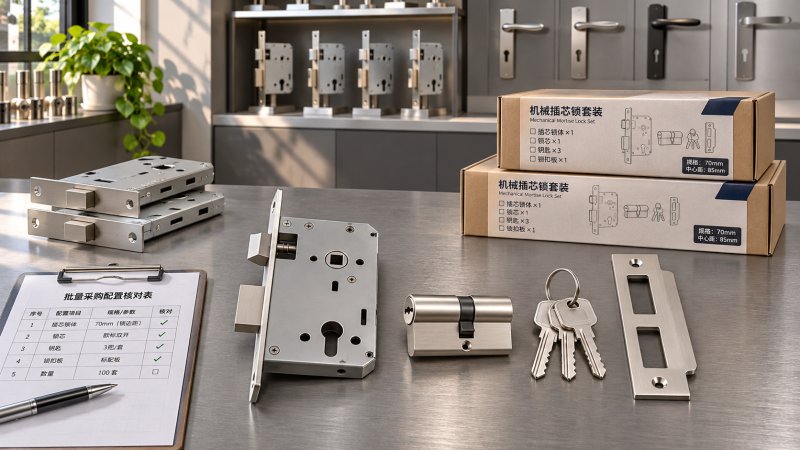
The visible finish tells very little. The real difference is usually inside the cylinder, the lock body, and the protective hardware around them.
In anti-theft lock technology Germany products, common upgrade points include anti-pick pin arrangements, anti-drill inserts, hardened steel elements, and snap-resistance measures.
Pin-in-pin and complex keyway structures can increase resistance to manipulation. They also improve key control when supported by protected key profiles.
Anti-drill plates or hardened pins matter because many real attacks are destructive, not subtle. A lock must survive tools, not only resist picking attempts.
Cylinder break protection is especially important in exposed installations. If the cylinder projects too far, the best internal mechanism may still be vulnerable.
That is why escutcheons, rosettes, reinforcement hardware, and door leaf compatibility should be reviewed together.
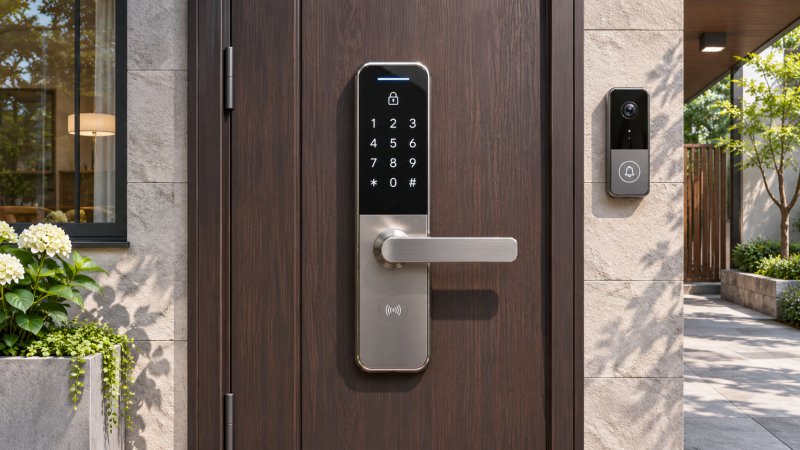
More advanced projects may also compare modular cylinders, master key structures, emergency functions, and compatibility with smart access platforms.
This wider view reflects how SHPS covers mechanical security alongside biometric locks, access control, and building-level protection planning.
The easier question is not “Is it secure?” but “Secure against which attack?”
- Picking resistance matters for discreet intrusion attempts and keyway manipulation.
- Drill resistance matters where attackers use portable tools and target cylinder pins or shear lines.
- Snap resistance matters for exposed euro profile cylinders on external doors.
- Pull and twist resistance matters when external hardware leaves leverage points.
- Wear resistance matters in high-traffic entrances and managed properties.
How should application scenario change the lock selection?
A common mistake is choosing one lock specification for every opening. Real risk is rarely uniform across a site.
Residential entrances usually prioritize snap resistance, key control, and dependable daily use. Shared buildings add higher turnover and rekeying concerns.
Commercial offices often need stronger access hierarchy, audit discipline, and compatibility with door closers, panic hardware, or electronic overlays.
In logistics, parcel handling points and service rooms may need anti-theft lock technology Germany solutions that balance mechanical strength with electronic access accountability.
Institutional buildings usually care more about system consistency. Here, maintenance, replacement timing, and compliance documentation can matter as much as raw lock strength.
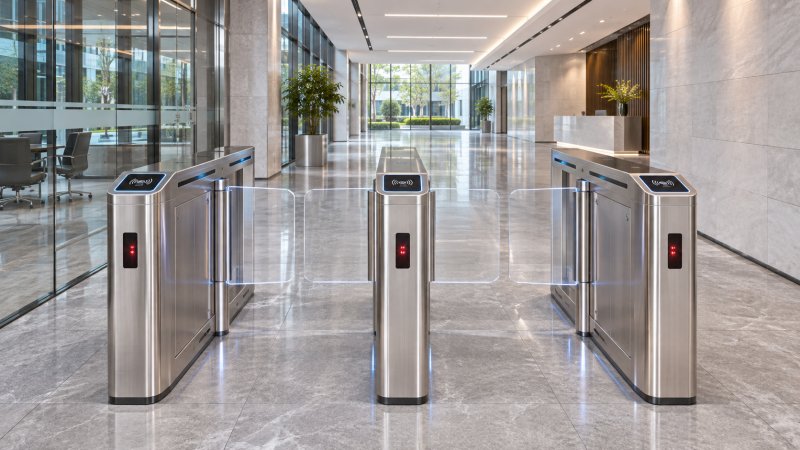
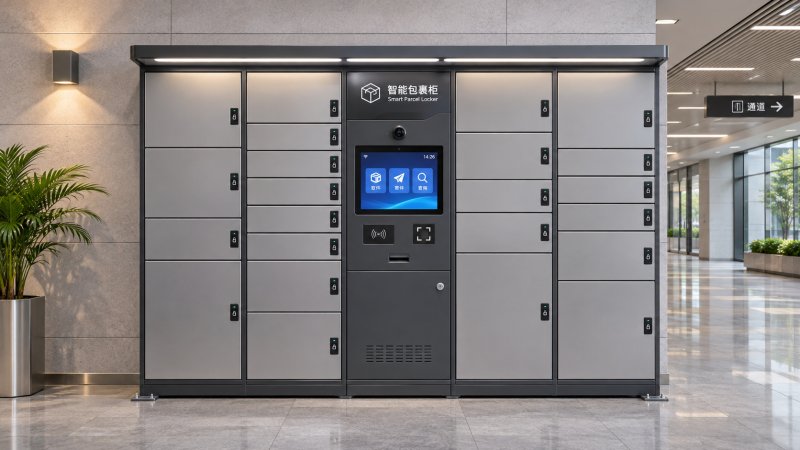
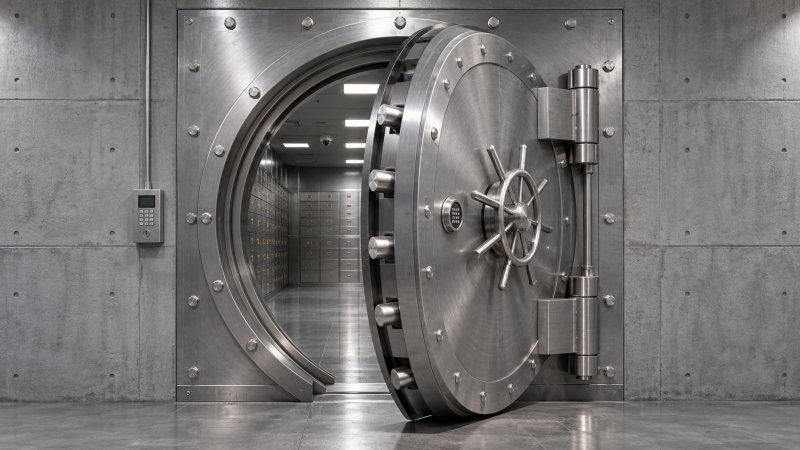
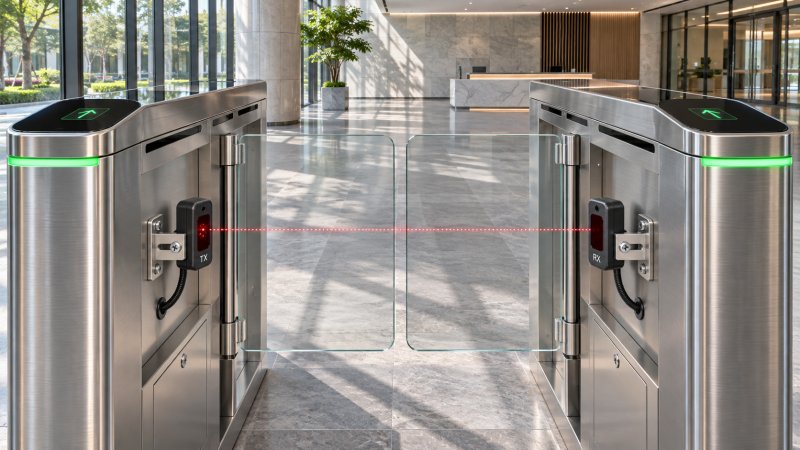
Where doors connect to wider security infrastructure, the lock should not be viewed in isolation from turnstiles, safes, parcel lockers, or access software.
That systems perspective is increasingly important in mixed-use buildings and high-value facilities.
A useful application filter before shortlisting suppliers
- Entry exposure: internal door, sheltered external door, or public-facing entrance.
- Traffic level: occasional use, multi-tenant use, or high-cycle operation.
- Attack expectation: opportunistic entry, planned forced attack, or insider misuse.
- Key control needs: standard duplication, restricted profiles, or managed hierarchy.
- Integration needs: purely mechanical, hybrid upgrade path, or smart access linkage.
Where do evaluations often go wrong before the order is placed?
The most frequent error is treating certification as transferable across every size, finish, and hardware combination.
In reality, anti-theft lock technology Germany validation depends on the exact tested build. Small specification changes can affect performance.
Another issue is ignoring installation geometry. Cylinder projection, screw quality, and door reinforcement can weaken a good product quickly.
There is also a paperwork problem. Some suppliers provide declarations, but not full laboratory evidence or clear traceability to the supplied model.
Lead time is another hidden factor. Restricted key systems, custom lengths, and master key planning can shift project timing more than expected.
Lifecycle cost can be misunderstood as well. A cheaper cylinder may increase replacement frequency, service visits, and rekeying exposure.
That is why anti-theft lock technology Germany buying checks should include technical evidence, supply readiness, and after-install support conditions.
Pre-purchase checks worth documenting
Is mechanical security still enough, or should anti-theft locks connect with smarter systems?
For many openings, high-quality mechanical protection is still the base layer. It remains cost-stable, durable, and easy to understand.
But the more complex the site becomes, the more useful hybrid planning can be. Mechanical strength and digital control do different jobs.
A cylinder may stop physical attack, while a smart layer manages permissions, audit records, and remote updates.
This is especially relevant where anti-theft lock technology Germany projects intersect with parcel lockers, restricted zones, or multi-site access control.
Still, adding electronics should not hide weak mechanics. The sequence should be mechanical integrity first, system integration second.
A practical review often asks three things: does the lock resist attack, does the key or credential stay controlled, and can the system be maintained cleanly?
What is the smartest next step before final selection?
The best next step is not chasing the strongest claim. It is building a short, evidence-based comparison around the real opening and threat profile.
Start with standards and tested configuration. Then review attack resistance, key control, hardware pairing, and expected service life.
After that, map the lock into the wider security environment. Doors, access rules, user turnover, and maintenance discipline all affect final value.
For anti-theft lock technology Germany decisions, the strongest outcomes usually come from structured checks rather than brand assumptions alone.
A reliable shortlist should answer clear questions: which standard applies, which attack was tested, what installation conditions are required, and what support follows delivery?
Once those answers are documented, comparing suppliers becomes more consistent, and procurement risk drops noticeably.
If further review is needed, the most practical path is to compare technical files, application fit, and lifecycle obligations side by side before approval.
Have questions about this sector analysis, or seeking best practices specific to your niche? Drop us a line below and let the senior consultants at MHLS assist you.
We respect your privacy. Your information is strictly confidential.
Recommended News
 Financial Facility Security: Choosing Vault Doors for Bank BranchesVault Structural ArchitectStrengthen financial facility security with the right bank vault door. Explore certification, installation, locking controls and maintenance before you buy.
 MACO Acquires Majority Stake in Fingerprint Access Provider ekeyProf. Elara SterlingMACO acquires a majority stake in ekey, bringing fingerprint access and door hardware closer together. Discover what the deal could mean for smart buildings.
 Physical Security System Engineering: From Risk Assessment to System DesignUnmanned Terminal FellowExplore physical security system engineering, from risk assessment to integrated design, procurement and testing. Build a safer, more resilient facility.
 Apple Home Collection Smart Lock and Other Accessories Open for Preorder November 13Biometric Auth ScientistApple Home Collection preorders open November 13, 2026. Explore the LG smart lock’s Matter and Aliro support and what buyers should verify before ordering.
 Choosing Servo-Driven Flap Barriers: Throughput, Safety and Access ControlAccess Control StrategistServo-driven flap barriers can balance throughput, safety and access control. Discover how to compare lanes, test performance and choose with confidence.
 Parcel Locker Network Pricing: Setup Costs, Fees and Contract TermsUnmanned Terminal FellowCompare parcel locker networks pricing, from setup costs and recurring fees to contract terms. Discover hidden charges and choose the right model.
 JR East Plans UWB Walk-Through Gates at 40 Stations in Spring 2028Access Control StrategistJR East plans UWB walk-through gates at 40 stations in spring 2028. Explore the rollout timeline and what suppliers should watch.
 Bank Vault Security Standards: UL and EN Ratings ExplainedVault Structural ArchitectExplore bank vault security standards and learn how UL 608 classes and EN 1143-1 grades differ, what they test, and how to verify certification before you buy.
 Mechanical Lock Hardware Prices: What Buyers Should Budget for Bulk OrdersMr. Gideon CrossMechanical lock hardware price is just the starting point. Discover what drives bulk-order costs and how to compare supplier quotes with confidence.
 IndexBox Forecasts Steady Global Security Keypad Market Growth Through 2035Dr. Valerius ThorneGlobal security keypad market growth is forecast at 3.3% annually through 2035. Explore the smart home and replacement trends shaping demand.
 Choosing an Infrared Safety Sensors Manufacturer: What Buyers Should CheckUnmanned Terminal FellowChoosing an infrared safety sensors manufacturer? Compare safety evidence, integration, environmental performance and lifecycle costs before you buy.
 Choosing a Security Material Testing Service: What to Check for Lock and Safe MaterialsProf. Elara SterlingChoose a security material testing service with confidence. Learn what to check for lock and safe materials, from attack methods and accreditation to reliable reports.