
Deadbolt Lock Systems Explained: Single vs Double Cylinder and Where Each Fits
Choosing between single- and double-cylinder deadbolt lock systems is not only about locking a door. It affects daily access, emergency escape, and how well an entry resists common intrusion methods.
That is why the topic keeps appearing across residential security discussions and broader physical security analysis. A door lock may look simple, yet its cylinder design shapes real-world safety more than many people expect.
Within the wider SHPS security landscape, deadbolt lock systems sit at the intersection of mechanical protection, risk assessment, and practical building use. Understanding where each type fits helps turn a basic hardware choice into a smarter security decision.
What deadbolt lock systems actually do
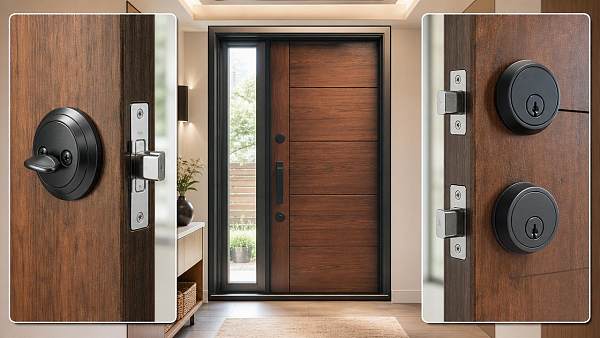
At the most basic level, deadbolt lock systems secure a door with a solid bolt that extends deeply into the frame. Unlike spring latches, a deadbolt does not retract simply by pushing the door.
That extra resistance matters because many forced entries happen at the door edge, strike plate, or cylinder area. A proper deadbolt adds time and difficulty, which is often enough to discourage opportunistic attacks.
In practice, the lock system includes more than the visible thumbturn or keyway. Cylinder quality, bolt throw, strike reinforcement, door material, and installation accuracy all shape the final performance.
This is also why SHPS often frames mechanical security as a system question rather than a product-only question. Even strong deadbolt lock systems can underperform when paired with weak doors, thin frames, or poor alignment.
Single-cylinder and double-cylinder at a glance
The difference between these two deadbolt lock systems is straightforward. A single-cylinder model uses a key outside and a thumbturn inside.
A double-cylinder model uses a key on both sides. That means the inside cannot be unlocked by hand unless the key is present.
The design choice changes how the door behaves during both break-in attempts and normal use. Security increases in one direction, while convenience and emergency speed may decrease in another.
Why this choice matters more today
Entry doors now serve more functions than they did in older buildings. They are expected to support security, convenience, aesthetics, and often smart access integration.
At the same time, many homes use decorative glass, sidelights, or narrow vestibules. These features look appealing, but they also change the risk profile around deadbolt lock systems.
A single-cylinder lock on a solid door may be completely appropriate. The same lock beside a breakable glass panel may allow an intruder to smash glass and turn the thumbturn from inside.
That is where double-cylinder deadbolt lock systems usually enter the conversation. They address a specific weakness, not every weakness.
From an industry perspective, this reflects a wider SHPS principle. Good physical security comes from matching hardware design to the threat, not choosing the most restrictive option by default.
Where single-cylinder deadbolts usually fit best
Single-cylinder deadbolt lock systems remain the most common choice for residential front doors. They are simple to use, familiar, and quick to unlock from the inside.
They generally fit best in locations where the inside thumbturn cannot be reached through nearby glass. Solid wood, metal, or composite doors without accessible glazing are typical examples.
They also work well on doors used frequently throughout the day. Constant locking and unlocking is easier when no inside key is required.
In emergency situations, fast operation becomes a major advantage. The ability to turn and exit immediately is one reason many people prefer this setup.
- Main entrance doors without nearby glass.
- Interior-to-garage doors where code allows.
- Secondary exterior doors used often.
- Homes prioritizing quick interior egress.
Where double-cylinder deadbolts make sense
Double-cylinder deadbolt lock systems are often chosen for doors with glass inserts or sidelights close to the lock. Their main purpose is to prevent reach-through unlocking after glass breakage.
They may also be considered for certain rear or side entries where visibility is low and glass exposure is high. In those cases, the added barrier can be worthwhile.
Still, this choice should never ignore life safety. If a key is required to exit, the key must be consistently accessible, and local fire or building rules must be checked first.
That balance is important because stronger intrusion resistance does not automatically mean a better overall result. A lock that delays evacuation can create a different kind of risk.
Typical situations that favor a double cylinder
- Front doors with large decorative glass near the handle set.
- Doors with narrow glass sidelights within arm’s reach.
- Entries where exterior visibility is limited.
- Properties where reach-in attacks are a known concern.
The lock is only one part of the security result
When comparing deadbolt lock systems, it is easy to focus only on the cylinder count. In real use, the surrounding hardware often matters just as much.
A reinforced strike plate, long mounting screws, solid frame anchoring, and a quality cylinder can improve resistance far more than a basic lock swap alone.
This is where mechanical lock expertise from the SHPS ecosystem becomes relevant. Anti-picking features, drill resistance, cylinder durability, and door compatibility all influence how dependable the system will be over time.
For example, a premium single-cylinder deadbolt on a reinforced solid door can outperform a poorly installed double-cylinder lock on a weak frame. The label alone does not tell the whole story.
How to judge the right option for a specific door
A practical decision usually starts with the door itself. Material, glass placement, traffic frequency, and emergency escape needs should be reviewed together.
It also helps to think about likely attack methods. Some entry points face kick-in attempts, while others are more exposed to reach-through unlocking or lock manipulation.
Mechanical and smart security should work together
Many entry doors now combine deadbolt lock systems with smart features such as keypad access, app control, or credential management. That can improve convenience, but the mechanical core still matters.
If the deadbolt mechanism, cylinder quality, or door anchoring is weak, smart electronics do not solve the physical vulnerability. Digital convenience should support, not replace, sound mechanical security.
This broader view is consistent with SHPS coverage across smart locks, lock bodies, cylinders, access control, and protective door systems. Good entry protection depends on how these layers work together.
A clear next step before choosing
The best way to compare deadbolt lock systems is to assess the actual entry, not just the product box. Look at glass placement, frame strength, daily traffic, and exit safety first.
If the door is solid and straightforward, a single-cylinder deadbolt is often the better fit. If nearby glass creates a reach-through risk, a double-cylinder may deserve closer review.
From there, compare cylinder quality, strike reinforcement, installation standards, and any smart hardware plans. A short checklist built around real conditions usually leads to a better decision than chasing the most aggressive lock type.
Deadbolt lock systems work best when security, usability, and life safety are considered together. That is the point where a routine hardware choice becomes a well-judged protection strategy.
Have questions about this sector analysis, or seeking best practices specific to your niche? Drop us a line below and let the senior consultants at MHLS assist you.
We respect your privacy. Your information is strictly confidential.
Recommended News
 Physical Security Infrastructure Cost: Budgeting for Installation and MaintenanceUnmanned Terminal FellowUnderstand physical security infrastructure cost and build a smarter budget for installation, maintenance, and long-term ownership.
 Financial Facility Security: Choosing Vault Doors for Bank BranchesVault Structural ArchitectStrengthen financial facility security with the right bank vault door. Explore certification, installation, locking controls and maintenance before you buy.
 MACO Acquires Majority Stake in Fingerprint Access Provider ekeyProf. Elara SterlingMACO acquires a majority stake in ekey, bringing fingerprint access and door hardware closer together. Discover what the deal could mean for smart buildings.
 Physical Security System Engineering: From Risk Assessment to System DesignUnmanned Terminal FellowExplore physical security system engineering, from risk assessment to integrated design, procurement and testing. Build a safer, more resilient facility.
 Apple Home Collection Smart Lock and Other Accessories Open for Preorder November 13Biometric Auth ScientistApple Home Collection preorders open November 13, 2026. Explore the LG smart lock’s Matter and Aliro support and what buyers should verify before ordering.
 Choosing Servo-Driven Flap Barriers: Throughput, Safety and Access ControlAccess Control StrategistServo-driven flap barriers can balance throughput, safety and access control. Discover how to compare lanes, test performance and choose with confidence.
 Parcel Locker Network Pricing: Setup Costs, Fees and Contract TermsUnmanned Terminal FellowCompare parcel locker networks pricing, from setup costs and recurring fees to contract terms. Discover hidden charges and choose the right model.
 JR East Plans UWB Walk-Through Gates at 40 Stations in Spring 2028Access Control StrategistJR East plans UWB walk-through gates at 40 stations in spring 2028. Explore the rollout timeline and what suppliers should watch.
 Bank Vault Security Standards: UL and EN Ratings ExplainedVault Structural ArchitectExplore bank vault security standards and learn how UL 608 classes and EN 1143-1 grades differ, what they test, and how to verify certification before you buy.
 Mechanical Lock Hardware Prices: What Buyers Should Budget for Bulk OrdersMr. Gideon CrossMechanical lock hardware price is just the starting point. Discover what drives bulk-order costs and how to compare supplier quotes with confidence.
 IndexBox Forecasts Steady Global Security Keypad Market Growth Through 2035Dr. Valerius ThorneGlobal security keypad market growth is forecast at 3.3% annually through 2035. Explore the smart home and replacement trends shaping demand.
 Choosing an Infrared Safety Sensors Manufacturer: What Buyers Should CheckUnmanned Terminal FellowChoosing an infrared safety sensors manufacturer? Compare safety evidence, integration, environmental performance and lifecycle costs before you buy.











