
How to Choose Euro Mechanical Lock Cylinders for Anti-Picking and Key Control
How to Choose Euro Mechanical Lock Cylinders for Anti-Picking and Key Control
Choosing euro mechanical lock cylinders is not just about fit and price. It is about balancing anti-picking performance, key control, certification, and long-term supply reliability.
A weak cylinder can undermine an otherwise solid door set. A well-specified one can reduce unauthorized duplication, improve resistance, and support compliance across projects.
For procurement decisions, the challenge is practical. Many euro mechanical lock cylinders look similar, yet their internal structure, key system control, and certification level vary widely.
This guide explains what to compare, what to verify with suppliers, and where purchasing mistakes usually happen in real projects.
Start With the Real Risk Profile
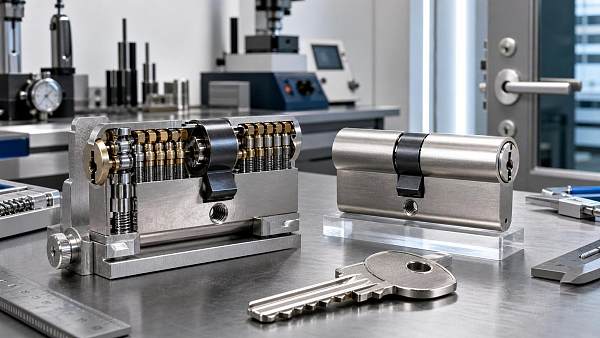
Before comparing models, define the threat level. Euro mechanical lock cylinders for apartments, offices, data rooms, and perimeter doors should not be evaluated in the same way.
In low-risk settings, basic drill and bump resistance may be enough. In higher-risk sites, anti-picking design and strict key control become much more important.
This also affects budget allocation. Spending more on the wrong feature is common, especially when the door, escutcheon, and cylinder are sourced separately.
A useful first filter includes these questions:
- Is the opening internal, public-facing, or restricted?
- How serious is the risk of covert entry?
- How likely is unauthorized key duplication?
- Will the cylinder be part of a master key system?
- Are local insurance or project specifications involved?
Once those answers are clear, choosing euro mechanical lock cylinders becomes less about catalog claims and more about measurable fit.
Focus on Anti-Picking Structure, Not Marketing Terms
Many suppliers describe products as high security, anti-theft, or premium. Those labels are not enough for selection or approval.
The real question is how the euro mechanical lock cylinders resist manipulation. That depends on internal architecture, tolerances, and the interaction between pins, springs, plug, and key profile.
Features that usually improve anti-picking performance
- Security pins such as spool, mushroom, or serrated designs
- Pin-in-pin or multi-row pin configurations
- Sidebars or side pins for secondary locking
- Paracentric keyways that restrict tool access
- Tighter machining tolerances and stable spring quality
In actual sourcing, ask suppliers to describe the mechanism clearly. If the anti-picking story stays vague, the product may rely more on packaging than engineering.
It is also worth separating anti-picking from anti-bumping. Some euro mechanical lock cylinders perform reasonably against one attack method, but not the other.
That distinction matters when end users compare products after security incidents. Procurement records should show why a specific resistance level was selected.
Key Control Is Often the Bigger Procurement Issue
For many projects, unauthorized duplication causes more exposure than lock picking. That is why key control should sit near the top of the evaluation process.
The best euro mechanical lock cylinders for controlled access usually combine mechanical security with a restricted key system and disciplined duplication procedures.
What to verify about key control
- Whether the key profile is patented, registered, or open
- Who is authorized to cut duplicate keys
- What documentation is required for reorders
- How replacement keys are tracked across regions
- Whether the system supports master key hierarchy safely
Open keyways may suit simple applications. They are less suitable when properties, contractors, maintenance teams, and tenants all interact with the same access environment.
From a lifecycle perspective, poor key control can create hidden costs. Rekeying a site after uncontrolled duplication is rarely cheap or operationally convenient.
Check Certification, Test Evidence, and Grade Alignment
Certification should confirm performance, not replace evaluation. Still, for euro mechanical lock cylinders, independent testing is one of the most practical buying filters.
EN 1303 is commonly referenced in this category. It covers several performance dimensions, including durability, corrosion resistance, key-related security, and attack resistance.
What matters is not just having a test report. It is whether the tested configuration matches the cylinder being quoted and the project requirement being discussed.
In business terms, certification also helps with tender review, insurer questions, and cross-border projects where product claims face closer scrutiny.
Do Not Ignore Materials and Attack Resistance
Euro mechanical lock cylinders are exposed to more than picking. Drilling, snapping, pulling, and wear can all affect security and service life.
Material choices therefore matter. Brass remains common, but reinforcement elements, hardened inserts, and sacrificial break sections can change real-world performance significantly.
Areas worth checking with suppliers
- Anti-drill pins or hardened steel inserts
- Anti-snap design for exposed external applications
- Corrosion resistance for coastal or humid environments
- Cycle durability under frequent use
- Surface finish consistency across repeat orders
This is where installation context becomes decisive. A residential entry cylinder and a commercial perimeter cylinder may require very different attack resistance profiles.
More importantly, euro mechanical lock cylinders should be reviewed as part of the whole opening. A high-grade cylinder can still be compromised by poor escutcheon protection.
Review Sizing, Compatibility, and System Integration
Selection mistakes often happen at the compatibility stage. Euro mechanical lock cylinders must match door thickness, internal and external offset, cam type, and lock case requirements.
On mixed projects, standardization becomes especially valuable. Reducing unnecessary cylinder variants makes stocking, maintenance, and replacement much easier over time.
If the project includes smart access upgrades later, confirm whether the mechanical platform can coexist with electronic escutcheons, access control workflows, or managed key plans.
That does not mean overengineering every opening. It means avoiding selections that block later expansion or create fragmented maintenance paths.
Evaluate Supplier Stability, Not Just Unit Price
Price comparisons are necessary, but euro mechanical lock cylinders are rarely a one-time purchase. Ongoing supply, keyed alike support, and future replacement availability often matter more.
A low initial quote can become expensive if lead times are unstable, key records are poorly managed, or product batches change without notice.
Practical supplier checks
- Request clear technical sheets for each cylinder family.
- Confirm restricted key procedures in writing.
- Review certification copies against the quoted model.
- Ask about MOQ, reorder lead time, and spare key turnaround.
- Check whether the supplier can support keyed systems across markets.
- Verify packaging, labeling, and traceability for project deliveries.
For distributors and property-related projects, supply continuity is part of security performance. A cylinder system that cannot be maintained consistently becomes a long-term risk.
A Simple Decision Framework for Shortlisting
When comparing euro mechanical lock cylinders, a weighted scoring method usually works better than relying on one feature or one sample test.
A practical shortlist can score each option across five areas:
- Anti-picking and anti-bumping structure
- Key control strength and duplication discipline
- Certification and project compliance fit
- Material durability and attack resistance
- Supplier reliability and lifecycle support
This approach helps separate technically suitable products from those that are only attractive on paper. It also creates a stronger audit trail for internal approval.
In the end, the best euro mechanical lock cylinders are the ones that match the threat level, protect key control, meet certification needs, and remain supportable after installation.
A disciplined selection process usually prevents the most expensive mistake in physical security procurement: choosing a cylinder that fits the door, but not the risk.
Have questions about this sector analysis, or seeking best practices specific to your niche? Drop us a line below and let the senior consultants at MHLS assist you.
We respect your privacy. Your information is strictly confidential.
Recommended News
 Physical Security System Engineering: From Risk Assessment to System DesignUnmanned Terminal FellowExplore physical security system engineering, from risk assessment to integrated design, procurement and testing. Build a safer, more resilient facility.
 Apple Home Collection Smart Lock and Other Accessories Open for Preorder November 13Biometric Auth ScientistApple Home Collection preorders open November 13, 2026. Explore the LG smart lock’s Matter and Aliro support and what buyers should verify before ordering.
 Choosing Servo-Driven Flap Barriers: Throughput, Safety and Access ControlAccess Control StrategistServo-driven flap barriers can balance throughput, safety and access control. Discover how to compare lanes, test performance and choose with confidence.
 Parcel Locker Network Pricing: Setup Costs, Fees and Contract TermsUnmanned Terminal FellowCompare parcel locker networks pricing, from setup costs and recurring fees to contract terms. Discover hidden charges and choose the right model.
 JR East Plans UWB Walk-Through Gates at 40 Stations in Spring 2028Access Control StrategistJR East plans UWB walk-through gates at 40 stations in spring 2028. Explore the rollout timeline and what suppliers should watch.
 Bank Vault Security Standards: UL and EN Ratings ExplainedVault Structural ArchitectExplore bank vault security standards and learn how UL 608 classes and EN 1143-1 grades differ, what they test, and how to verify certification before you buy.
 Mechanical Lock Hardware Prices: What Buyers Should Budget for Bulk OrdersMr. Gideon CrossMechanical lock hardware price is just the starting point. Discover what drives bulk-order costs and how to compare supplier quotes with confidence.
 IndexBox Forecasts Steady Global Security Keypad Market Growth Through 2035Dr. Valerius ThorneGlobal security keypad market growth is forecast at 3.3% annually through 2035. Explore the smart home and replacement trends shaping demand.
 Choosing an Infrared Safety Sensors Manufacturer: What Buyers Should CheckUnmanned Terminal FellowChoosing an infrared safety sensors manufacturer? Compare safety evidence, integration, environmental performance and lifecycle costs before you buy.
 Choosing a Security Material Testing Service: What to Check for Lock and Safe MaterialsProf. Elara SterlingChoose a security material testing service with confidence. Learn what to check for lock and safe materials, from attack methods and accreditation to reliable reports.
 How Precision Anti-Pick Lock Cylinders Resist ManipulationSecurity Metallurgy ExpertDiscover how precision anti-pick lock technology resists manipulation, and learn what to check when comparing security features, test evidence, and everyday reliability.
 Dermalog Joins NIST FastCAP Program for Contactless Fingerprint TestingProf. Elara SterlingDermalog joins the NIST FastCAP program for contactless fingerprint testing. Discover what this means for biometric identification and digital identity.











