What Drives Anti-Pick Lock Design Cost? Materials, Tolerances, and Security Grades Explained
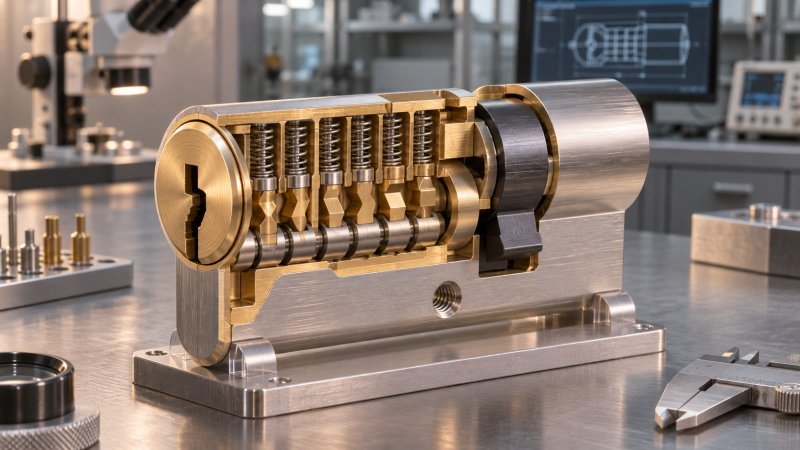
The price of an anti-pick lock rarely comes from the visible shell alone. In most mechanical security projects, anti-pick lock design cost is shaped by metallurgy, micro-level machining control, cylinder structure, and the security grade the lock must pass. That matters across residential doors, commercial entries, safes, parcel lockers, and restricted facilities, where lock failure is not just a hardware issue but a risk, compliance, and lifecycle issue.
Within the broader physical security market covered by SHPS, lock cylinders sit at the meeting point of material science, mechanical engineering, certification testing, and procurement logic. A lock that looks similar on the outside may differ sharply in pick resistance, drill resistance, key control, service life, and manufacturing consistency. Understanding what drives anti-pick lock design cost helps separate expensive appearance from measurable security value.
Why anti-pick lock cost deserves closer analysis
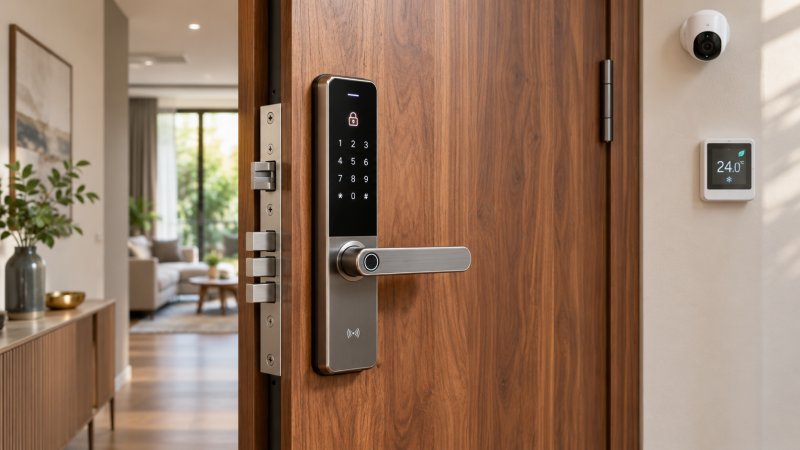
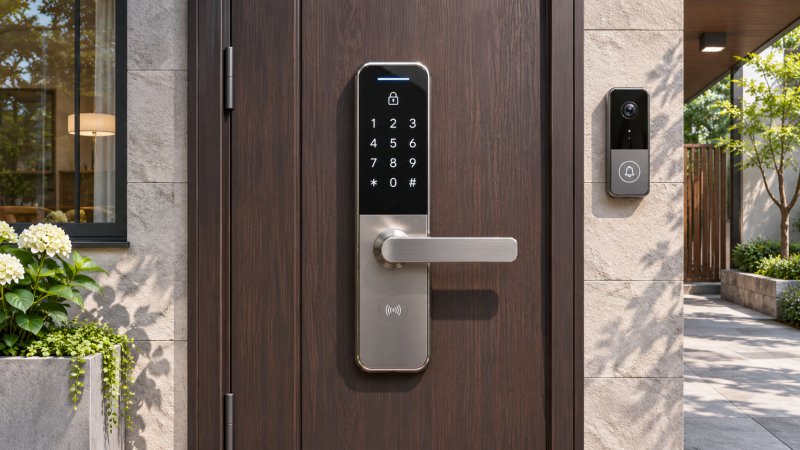
Mechanical lock cylinders remain critical even in smart access systems. Many biometric locks, electronic doors, and networked lockers still depend on a mechanical override or core locking structure.
That is why anti-pick lock design cost matters beyond traditional locksmith products. It affects blended systems where physical attack resistance must match digital access convenience.
A low-cost cylinder may function well in light-duty use. It becomes far less suitable when the application involves master key systems, unattended assets, high turnover sites, or insurance-sensitive environments.
From an evaluation perspective, the question is not simply whether a lock can resist a casual picking attempt. The better question is how design choices influence repeatable resistance under realistic attack methods and production scale.
The biggest cost drivers are hidden inside the cylinder
Anti-pick lock design cost increases when internal geometry becomes harder to decode, manipulate, or reproduce. Much of that cost sits in parts the end user never sees.
Materials do more than add hardness
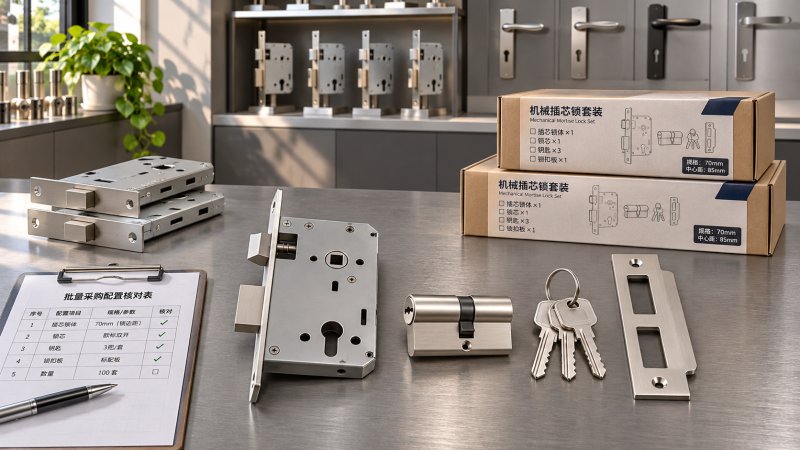
Base metals affect wear behavior, corrosion stability, machining response, and attack resistance. Brass remains common because it machines well and performs predictably.
However, higher anti-pick performance often introduces hardened steel inserts, special driver pins, anti-drill plates, or mixed-metal assemblies. Each upgrade adds material cost and processing complexity.
In higher-security cylinders, designers may balance several competing needs. Harder materials improve protection, but they can also increase tool wear, slow machining, and tighten quality control demands.
Tolerances shape both security and reject rate
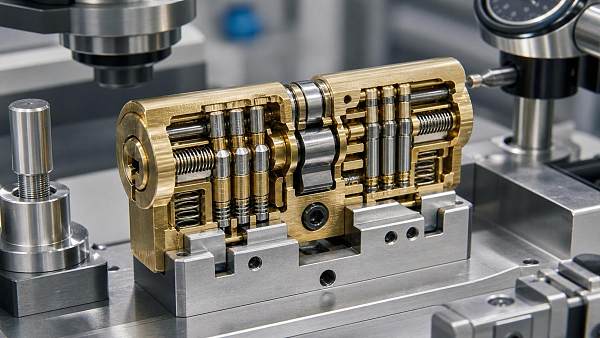
Tight tolerances are one of the least visible reasons anti-pick lock design cost rises. Security pins, chambers, plug surfaces, springs, and sidebar tracks must interact within narrow limits.
If tolerances are too loose, feedback becomes clearer to an attacker and manipulation becomes easier. If they are too tight, production yield can fall and long-term reliability can suffer.
This creates a real cost tradeoff. Precision is not only about equipment investment. It also affects scrap, inspection time, assembly consistency, lubrication behavior, and after-sales stability.
Architecture changes the cost curve quickly
A basic pin tumbler design is cheaper to produce than a system with mushroom pins, spool pins, pin-in-pin elements, sidebars, angled cuts, or rotating components.
As the mechanism becomes harder to read and tension, anti-pick lock design cost rises because design validation, tooling, assembly discipline, and key manufacturing all become more demanding.
Security grades affect design targets, not just labels
Security grades often appear late in buying discussions, but they should be considered early. A target grade influences cylinder design choices from the beginning.
Whether the reference point is EN-related door hardware standards, regional cylinder classifications, or internal enterprise specifications, grading usually pushes three cost areas upward.
- More resistant structures against picking, drilling, bumping, and unauthorized key duplication.
- More extensive prototype testing and redesign cycles before release.
- Higher consistency requirements across large production batches.
That is why anti-pick lock design cost should be linked to certification readiness, not just component count. A product can look sophisticated yet remain poorly prepared for formal testing.
In practice, grade-driven cost is often justified when the lock protects cash rooms, records storage, controlled-access offices, logistics assets, utility cabinets, or integrated smart entry systems.
Where cost turns into operational value
Paying more for cylinder design is only reasonable when the added cost maps to measurable business value. The following comparison makes that easier to judge.
This is especially relevant in SHPS-covered sectors, where mechanical cylinders support safes, protective doors, parcel locker compartments, and smart lock fallback systems. In these environments, downtime and breach exposure can cost more than the initial hardware premium.
Application context changes what “reasonable cost” means
The right anti-pick lock design cost depends heavily on the opening it protects and the attack profile around it.
Residential and mixed-use entry
Here, balance matters. A moderate-cost cylinder with anti-bump features, stable tolerances, and restricted key control may be more practical than a very complex high-security core.
Commercial doors and facility zones
Frequent use, staff turnover, and master key planning raise the value of consistent manufacturing. Small tolerance errors become larger service problems in these settings.
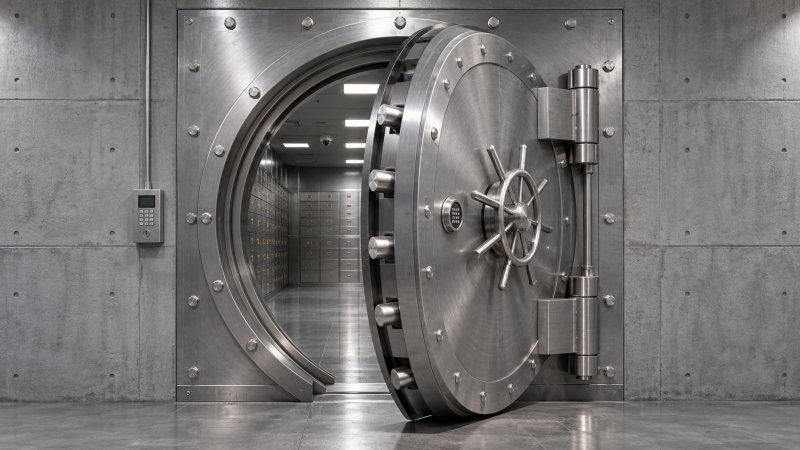
Safes, vault-adjacent hardware, and restricted assets
In high-consequence storage, anti-pick lock design cost should be assessed together with anti-drill structure, boltwork interface, and certification strategy. Cylinder cost alone is the wrong benchmark.
Parcel lockers and unattended access points
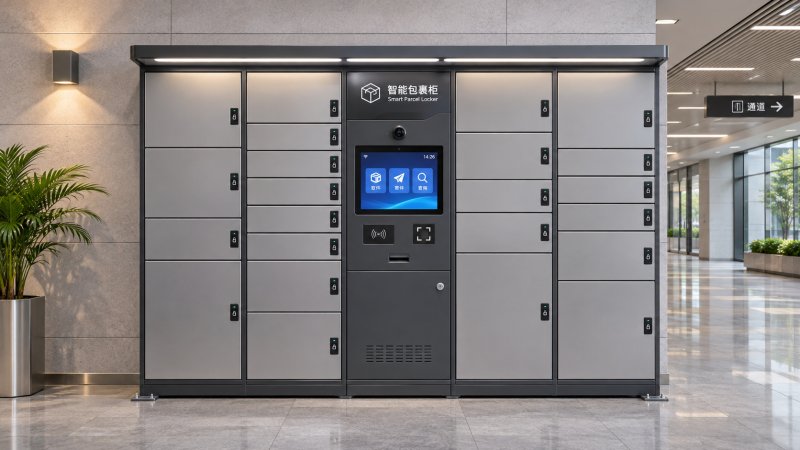
These systems often face repeated public exposure. A cheap mechanical override can undermine an otherwise modern electronic locker network.
That makes anti-pick lock design cost part of a broader physical security architecture, not a minor accessory line.
How to evaluate cost without overpaying
A useful review starts by separating claimed features from verified engineering detail. Marketing language around “high security” often hides large differences in actual design depth.
- Check material composition in critical areas, not only the outer housing.
- Ask how tolerances are controlled across volume production, not only in prototypes.
- Review whether anti-pick features also affect wear, maintenance, and key duplication control.
- Link the cylinder design to the target standard, test method, or site risk requirement.
- Compare replacement, failure, and breach costs against the initial unit price.
It is also worth comparing sample consistency between batches. Anti-pick lock design cost can be justified in one factory and wasted in another if process control is weak.
For that reason, supplier evaluation should include production capability, test evidence, and application history, especially when the cylinder supports safes, smart locks, or critical access infrastructure.
A clearer way to move from price to decision
The most reliable way to judge anti-pick lock design cost is to connect four layers: attack resistance, material and tolerance quality, certification path, and deployment context.
When those layers align, higher cost usually reflects stronger engineering discipline rather than inflated positioning. When they do not align, the premium may add little real protection.
A practical next step is to build a comparison matrix around cylinder architecture, tolerance control, anti-drill measures, grade targets, and expected service conditions. That turns anti-pick lock design cost into a decision framework instead of a price debate.
For security hardware research, supplier screening, or integrated system planning, that approach makes it easier to identify where added lock cost protects long-term asset value and where it does not.
Have questions about this sector analysis, or seeking best practices specific to your niche? Drop us a line below and let the senior consultants at MHLS assist you.
We respect your privacy. Your information is strictly confidential.
Recommended News
 Apple Home Collection Smart Lock and Other Accessories Open for Preorder November 13Biometric Auth ScientistApple Home Collection preorders open November 13, 2026. Explore the LG smart lock’s Matter and Aliro support and what buyers should verify before ordering.
 Choosing Servo-Driven Flap Barriers: Throughput, Safety and Access ControlAccess Control StrategistServo-driven flap barriers can balance throughput, safety and access control. Discover how to compare lanes, test performance and choose with confidence.
 Parcel Locker Network Pricing: Setup Costs, Fees and Contract TermsUnmanned Terminal FellowCompare parcel locker networks pricing, from setup costs and recurring fees to contract terms. Discover hidden charges and choose the right model.
 JR East Plans UWB Walk-Through Gates at 40 Stations in Spring 2028Access Control StrategistJR East plans UWB walk-through gates at 40 stations in spring 2028. Explore the rollout timeline and what suppliers should watch.
 Bank Vault Security Standards: UL and EN Ratings ExplainedVault Structural ArchitectExplore bank vault security standards and learn how UL 608 classes and EN 1143-1 grades differ, what they test, and how to verify certification before you buy.
 Mechanical Lock Hardware Prices: What Buyers Should Budget for Bulk OrdersMr. Gideon CrossMechanical lock hardware price is just the starting point. Discover what drives bulk-order costs and how to compare supplier quotes with confidence.
 IndexBox Forecasts Steady Global Security Keypad Market Growth Through 2035Dr. Valerius ThorneGlobal security keypad market growth is forecast at 3.3% annually through 2035. Explore the smart home and replacement trends shaping demand.
 Choosing an Infrared Safety Sensors Manufacturer: What Buyers Should CheckUnmanned Terminal FellowChoosing an infrared safety sensors manufacturer? Compare safety evidence, integration, environmental performance and lifecycle costs before you buy.
 Choosing a Security Material Testing Service: What to Check for Lock and Safe MaterialsProf. Elara SterlingChoose a security material testing service with confidence. Learn what to check for lock and safe materials, from attack methods and accreditation to reliable reports.
 How Precision Anti-Pick Lock Cylinders Resist ManipulationSecurity Metallurgy ExpertDiscover how precision anti-pick lock technology resists manipulation, and learn what to check when comparing security features, test evidence, and everyday reliability.
 Dermalog Joins NIST FastCAP Program for Contactless Fingerprint TestingProf. Elara SterlingDermalog joins the NIST FastCAP program for contactless fingerprint testing. Discover what this means for biometric identification and digital identity.
 Choosing Security Export Compliance Services: What Providers Should CoverMr. Gideon CrossSecurity export compliance services can help prevent costly delays. Discover what to look for in classification, licensing, screening, and documentation.