Advanced Locking Mechanisms Compared: Multi-Point, Anti-Pick, and Electronic
For technical evaluators, choosing between multi-point bolts, anti-pick cylinders, and electronic access control requires more than checking product labels.
Advanced locking mechanisms must be assessed through forced-entry resistance, manipulation defense, credential spoofing, installation constraints, lifecycle reliability, and system integration.
This comparison explains how each mechanism works, where it excels, and which trade-offs matter in residential, commercial, and high-security environments.
Why Advanced Locking Mechanisms Need a Checklist Approach

Locks fail in different ways. A strong bolt may resist prying, yet still depend on a weak cylinder or poor frame anchoring.
Electronic access may remove keys, yet introduce battery, firmware, relay, and credential risks. No single label proves real security.
A checklist makes advanced locking mechanisms comparable across attack resistance, usability, installation quality, maintenance burden, and integration readiness.
It also prevents overbuying. A small office, luxury apartment, parcel locker, and vault door rarely need the same lock architecture.
Core Comparison: Multi-Point, Anti-Pick, and Electronic Locks
Multi-Point Locking Mechanisms
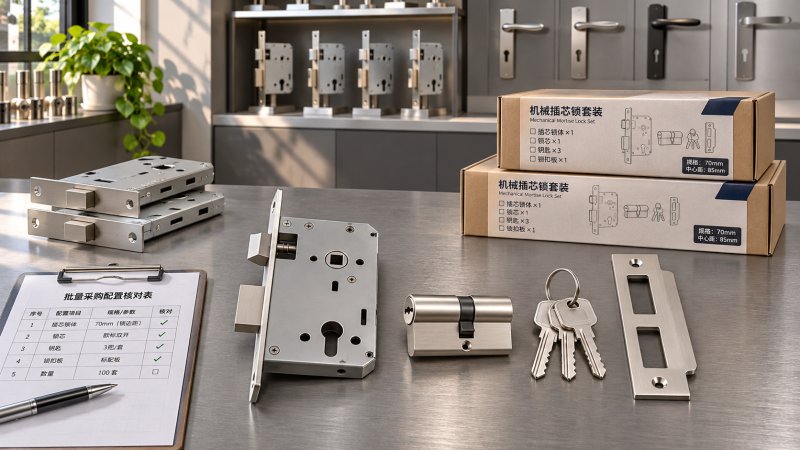
Multi-point systems engage several bolts, hooks, rollers, or deadbolts along the door edge from one handle or cylinder action.
Among advanced locking mechanisms, they are especially valuable against prying, spreading, warping, and pressure attacks on tall doors.
Their strength depends on alignment. If the frame, keeps, and hinges are weak, additional bolts may add complexity without real resistance.
Anti-Pick Mechanical Cylinders
Anti-pick cylinders use security pins, sidebar systems, rotating discs, magnets, sliders, or blade structures to slow manipulation.
These advanced locking mechanisms protect the keyway against picking, bumping, impressioning, decoding, and unauthorized key duplication.
Cylinder quality must match door strength. A premium core inside a hollow door will not stop destructive entry.
Electronic and Smart Locking Systems
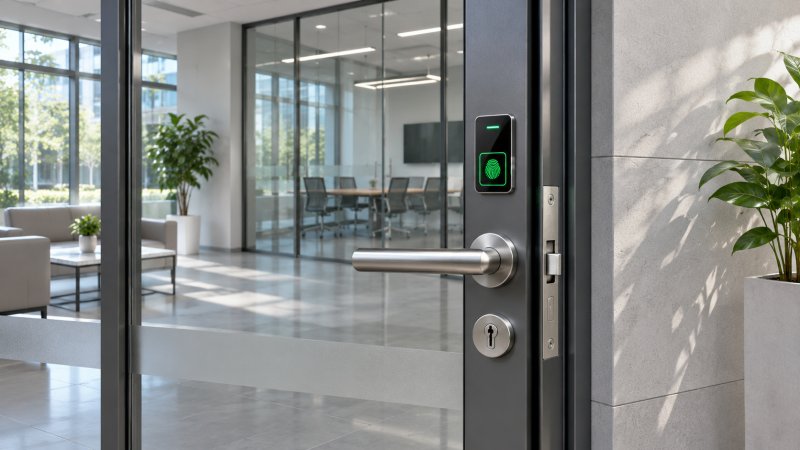
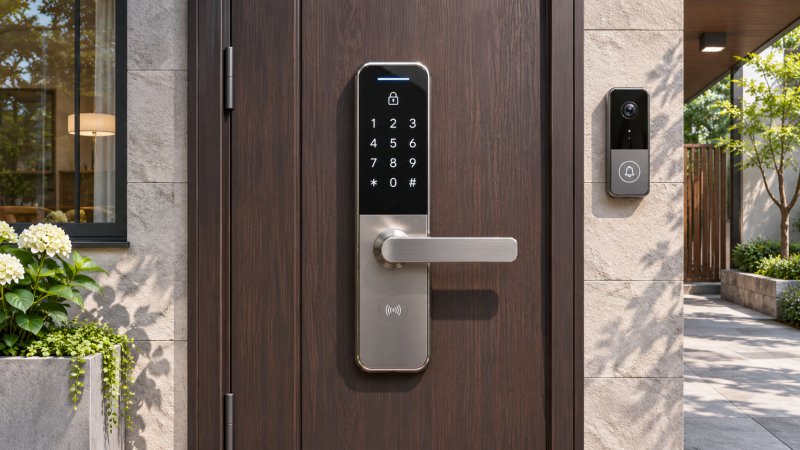
Electronic locks control access through PINs, cards, mobile credentials, biometrics, remote platforms, or hybrid mechanical overrides.
Compared with purely mechanical advanced locking mechanisms, they offer audit trails, temporary access, automation, and centralized credential revocation.
Their risk profile shifts toward power resilience, encrypted communication, firmware hygiene, sensor spoofing, and emergency override control.
Checklist for Evaluating Advanced Locking Mechanisms
- Verify the primary attack model before selection, including prying, drilling, picking, credential theft, tailgating, insider misuse, and emergency access needs.
- Inspect the complete door assembly, because advanced locking mechanisms only perform well when frame, hinges, strikes, anchors, and glazing are matched.
- Confirm cylinder certification, key control policy, drill resistance, plug protection, and duplication restrictions before relying on anti-pick performance claims.
- Measure bolt engagement depth, latch geometry, hook orientation, and strike reinforcement when comparing multi-point locks for forced-entry resistance.
- Test electronic credential security, including encryption, replay resistance, lost-device workflows, administrator permissions, and offline access behavior.
- Check fail-secure and fail-safe requirements carefully, especially where fire codes, evacuation paths, and access continuity create competing obligations.
- Evaluate environmental durability, because moisture, dust, salt air, vibration, UV exposure, and temperature shifts can degrade advanced locking mechanisms.
- Plan lifecycle maintenance, including lubrication, battery replacement, firmware updates, audit review, spare parts, and rekeying after personnel changes.
- Require installation tolerances in writing, since misalignment can cause false locking, motor strain, handle sag, or incomplete bolt projection.
- Document emergency override rules, ensuring mechanical keys, administrator recovery, locksmith access, and power backup are controlled and logged.
Decision Matrix for Practical Selection
The strongest result often combines technologies. Advanced locking mechanisms work best when mechanical resistance and digital control reinforce each other.
For example, a reinforced multi-point door can use an anti-pick cylinder and electronic access layer for traceable entry.
Residential Applications
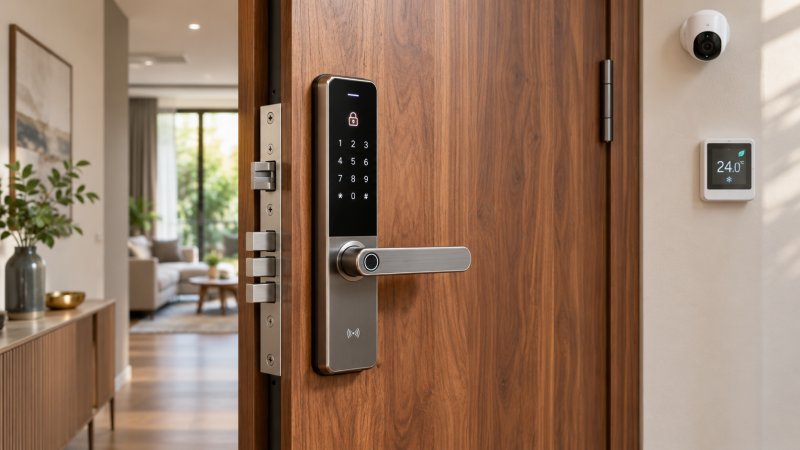
In homes and apartments, convenience often drives adoption. Fingerprint, keypad, and mobile access reduce key loss and simplify temporary entry.
Still, residential advanced locking mechanisms must resist common attacks: lock snapping, door kicking, latch slipping, and exposed strike screws.
A balanced setup uses a reinforced strike, quality deadbolt, protected cylinder, and electronic access with local fallback.
Biometric locks should include liveness detection or strong anti-spoofing design. Surface-only sensors may be inadequate for higher-value residences.
Commercial and Facility Applications
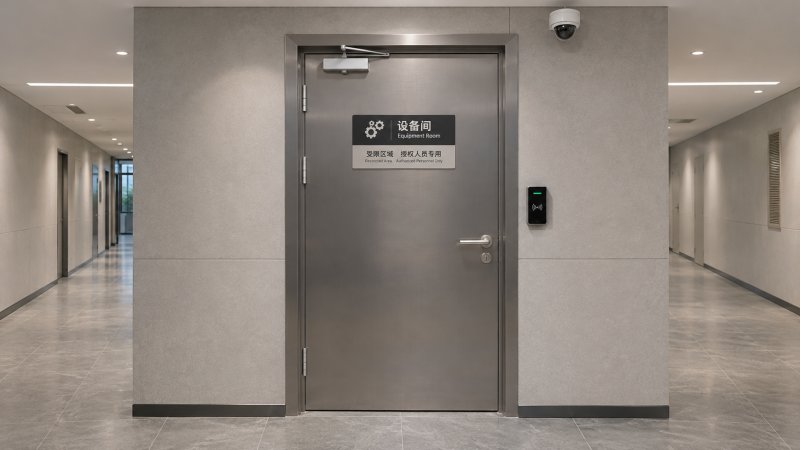
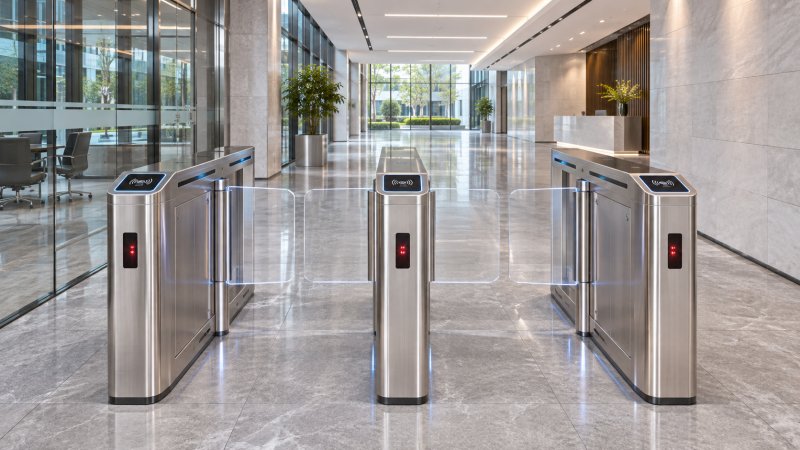
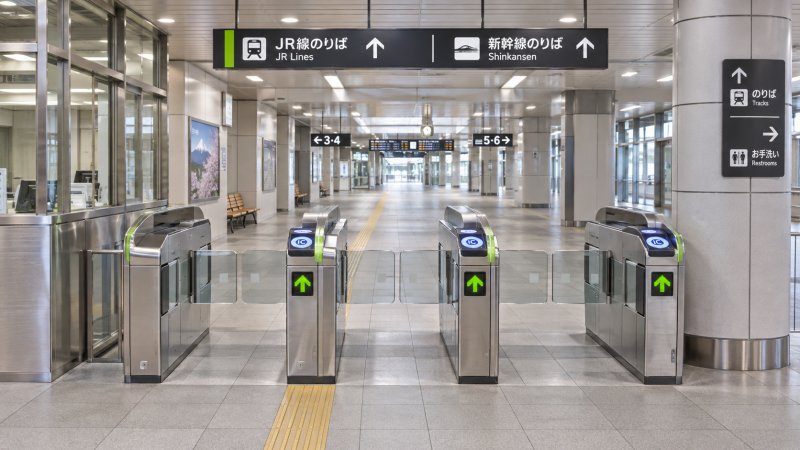
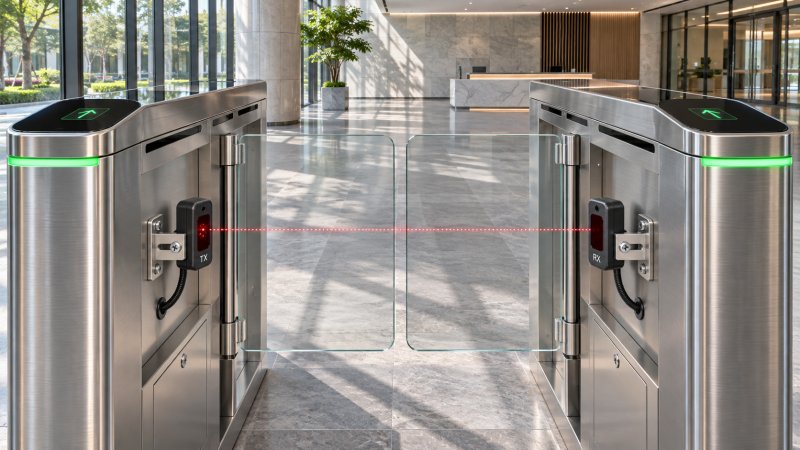
Commercial doors need repeatable access control, predictable maintenance, and integration with alarms, video systems, turnstiles, or visitor workflows.
Electronic advanced locking mechanisms provide audit logs, schedules, permissions, and rapid credential cancellation after staff or contractor changes.
Mechanical durability remains essential. High-traffic doors can wear motors, handles, latch springs, and misaligned strikes faster than expected.
Where throughput matters, locks should coordinate with door closers, sensors, access readers, and anti-tailgating policies.
High-Security and Storage Applications
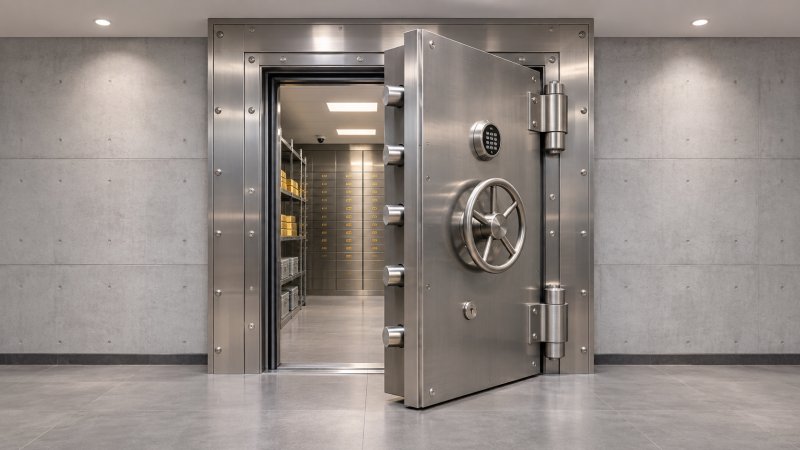
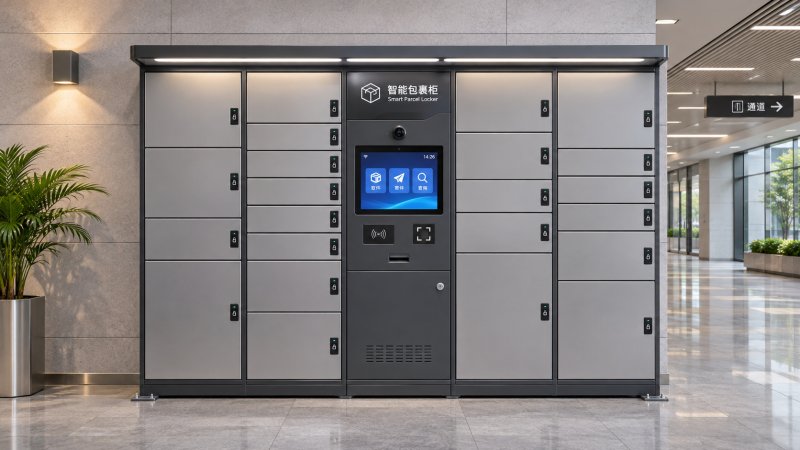
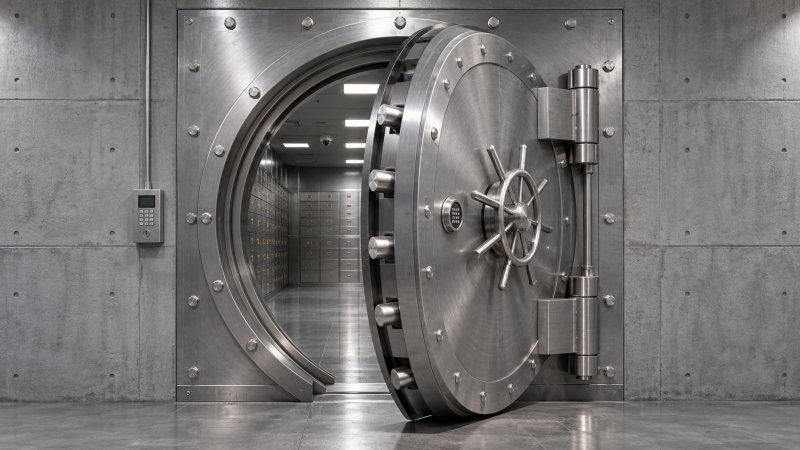
Safes, vault rooms, sensitive storage, and parcel locker networks demand layered resistance and controlled access events.
Here, advanced locking mechanisms may include relockers, time delays, dual custody, hardened boltwork, tamper sensors, and monitored status reporting.
Anti-drill plates, glass relockers, composite barriers, and reinforced bolt engagement protect against destructive tooling.
Electronic control adds accountability. Every opening, failed attempt, override, and maintenance action should be recorded and reviewable.
Commonly Overlooked Risks
Weak Surrounding Hardware
Advanced locking mechanisms cannot compensate for short screws, brittle frames, hollow-core doors, loose hinges, or poorly fitted strike plates.
Credential Recovery Gaps
Lost phones, forgotten PINs, terminated users, dead batteries, and missing override keys can turn secure access into operational failure.
Unverified Standards
Marketing phrases like “anti-theft” or “smart security” mean little without recognized test evidence, installation instructions, and realistic attack assumptions.
Poor Maintenance Discipline
Dust, misalignment, corrosion, weak batteries, and outdated firmware can quietly reduce the reliability of advanced locking mechanisms over time.
Implementation Steps for Better Results
- Map entry points by value, threat exposure, traffic frequency, emergency role, and required accountability before selecting hardware.
- Choose the lock architecture only after confirming door construction, frame strength, hinge protection, and wiring feasibility.
- Specify certified cylinders, protected keyways, reinforced strikes, tamper-resistant fixings, and documented installation tolerances.
- Configure electronic access with least-privilege permissions, unique credentials, multi-factor options, and clear revocation procedures.
- Test normal entry, forced-door alarms, battery warnings, power loss behavior, mechanical override, and emergency release.
- Schedule inspections for bolt throw, reader performance, firmware status, audit logs, lubrication, and strike alignment.
A pilot installation is useful before large deployment. It reveals fit, user behavior, service access, and integration faults early.
Record every setting. Advanced locking mechanisms become easier to maintain when credentials, overrides, firmware versions, and spare parts are documented.
Final Selection Guidance
Choose multi-point locks when structural force resistance is the priority, especially on tall doors, exposed entrances, and vulnerable frames.
Choose anti-pick cylinders when keyway manipulation, unauthorized duplication, and cylinder-focused attacks are credible risks.
Choose electronic systems when access control, auditability, remote administration, and temporary permissions create measurable operational value.
For critical entrances, combine them. The best advanced locking mechanisms usually blend reinforced mechanics with intelligent credential management.
The practical next step is a door-by-door risk review. Rate attack exposure, access frequency, compliance needs, and recovery requirements.
Then specify advanced locking mechanisms as complete systems, not isolated products. Security improves when boltwork, cylinders, electronics, and procedures align.
Have questions about this sector analysis, or seeking best practices specific to your niche? Drop us a line below and let the senior consultants at MHLS assist you.
We respect your privacy. Your information is strictly confidential.
Recommended News
 Financial Facility Security: Choosing Vault Doors for Bank BranchesVault Structural ArchitectStrengthen financial facility security with the right bank vault door. Explore certification, installation, locking controls and maintenance before you buy.
 MACO Acquires Majority Stake in Fingerprint Access Provider ekeyProf. Elara SterlingMACO acquires a majority stake in ekey, bringing fingerprint access and door hardware closer together. Discover what the deal could mean for smart buildings.
 Physical Security System Engineering: From Risk Assessment to System DesignUnmanned Terminal FellowExplore physical security system engineering, from risk assessment to integrated design, procurement and testing. Build a safer, more resilient facility.
 Apple Home Collection Smart Lock and Other Accessories Open for Preorder November 13Biometric Auth ScientistApple Home Collection preorders open November 13, 2026. Explore the LG smart lock’s Matter and Aliro support and what buyers should verify before ordering.
 Choosing Servo-Driven Flap Barriers: Throughput, Safety and Access ControlAccess Control StrategistServo-driven flap barriers can balance throughput, safety and access control. Discover how to compare lanes, test performance and choose with confidence.
 Parcel Locker Network Pricing: Setup Costs, Fees and Contract TermsUnmanned Terminal FellowCompare parcel locker networks pricing, from setup costs and recurring fees to contract terms. Discover hidden charges and choose the right model.
 JR East Plans UWB Walk-Through Gates at 40 Stations in Spring 2028Access Control StrategistJR East plans UWB walk-through gates at 40 stations in spring 2028. Explore the rollout timeline and what suppliers should watch.
 Bank Vault Security Standards: UL and EN Ratings ExplainedVault Structural ArchitectExplore bank vault security standards and learn how UL 608 classes and EN 1143-1 grades differ, what they test, and how to verify certification before you buy.
 Mechanical Lock Hardware Prices: What Buyers Should Budget for Bulk OrdersMr. Gideon CrossMechanical lock hardware price is just the starting point. Discover what drives bulk-order costs and how to compare supplier quotes with confidence.
 IndexBox Forecasts Steady Global Security Keypad Market Growth Through 2035Dr. Valerius ThorneGlobal security keypad market growth is forecast at 3.3% annually through 2035. Explore the smart home and replacement trends shaping demand.
 Choosing an Infrared Safety Sensors Manufacturer: What Buyers Should CheckUnmanned Terminal FellowChoosing an infrared safety sensors manufacturer? Compare safety evidence, integration, environmental performance and lifecycle costs before you buy.
 Choosing a Security Material Testing Service: What to Check for Lock and Safe MaterialsProf. Elara SterlingChoose a security material testing service with confidence. Learn what to check for lock and safe materials, from attack methods and accreditation to reliable reports.