
Mechanical Locks for Apartments: What to Compare Before Replacing Existing Door Hardware
Why compare mechanical locks for apartments before replacing anything?
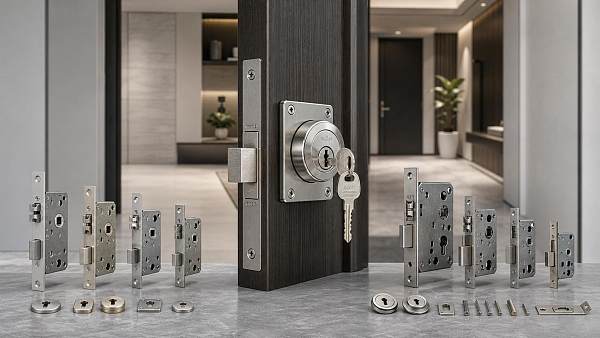
Replacing old door hardware looks simple until the new lock does not fit, feels weak, or adds little real protection.
That is why mechanical locks for apartments deserve a closer comparison before money is spent.
A better lock is not only about finish, handle style, or brand familiarity.
In daily apartment use, the important questions are more practical.
Does the cylinder resist picking?
Can the key be copied easily?
Will the lock body match the existing door preparation?
Will it hold up under years of repeated entry?
In residential security, weak upgrades are common because buyers compare visible parts and ignore internal structure.
SHPS often explains physical security through the logic of structure, materials, resistance, and deployment fit.
That same logic applies here.
The best mechanical locks for apartments are the ones that improve resistance without creating installation problems or unnecessary replacement costs.
What actually matters more than appearance when choosing a replacement lock?
Most apartment doors already have limits set by door thickness, backset, latch dimensions, and strike position.
So the first comparison should be technical, not cosmetic.
A useful shortlist usually includes these checkpoints:
- Lock type: deadbolt, mortise, rim, or knob-and-deadbolt combination.
- Cylinder design: standard pin tumbler, high-security pin-in-pin, or restricted keyway format.
- Key control: open duplication, controlled duplication, or registered key system.
- Bolt throw and lock body strength.
- Drill, pick, and bump resistance.
- Compatibility with existing door cutouts and frame hardware.
In practice, cylinder quality often separates a worthwhile upgrade from a cosmetic replacement.
A decorative trim cannot compensate for a soft cylinder or an easy-to-copy key.
This is where mechanical locks for apartments start to vary more than many expect.
Some models are built for light interior use.
Others are designed with stronger plug protection, tighter tolerances, and better anti-manipulation features.
Are all apartment lock cylinders basically the same?
Not really, and this is one of the most overlooked parts of lock replacement.
Two locks may look similar from the outside but offer very different cylinder security.
Basic cylinders usually focus on affordability and easy replacement.
Higher-grade cylinders add security through internal pin structure, sidebar elements, hardened inserts, and restricted key profiles.
SHPS frequently covers mechanical lock cylinders because internal design has a direct effect on anti-picking performance.
That matters for apartment entrances, especially in buildings with frequent foot traffic.
A simple comparison table makes the differences easier to judge:
If the goal is meaningful improvement, compare the cylinder first, then the outer trim.
When does a cheaper replacement become a false economy?
A low price is attractive when the door only needs a quick refresh.
The problem appears later, when extra labor, early failure, or another replacement cancels the initial savings.
Mechanical locks for apartments become poor value when one of three things happens.
First, the new lock requires drilling or patching because dimensions were not checked carefully.
Second, the key system creates control problems after move-ins, move-outs, or temporary access sharing.
Third, the lock body or cylinder wears down fast under normal residential traffic.
In real cost terms, replacement hardware should be judged by total ownership cost, not shelf price alone.
That includes hardware, installation time, rekeying, spare keys, maintenance frequency, and expected lifespan.
A slightly better cylinder can cost more upfront while reducing key risk and future service calls.
This is a common security procurement lesson across many physical protection categories covered by SHPS.
A lower purchase price does not automatically mean lower risk-adjusted cost.
How do you check fit, compatibility, and installation risk before ordering?
This step saves more trouble than any finish comparison.
Before choosing mechanical locks for apartments, measure the existing setup and document it clearly.
- Door thickness.
- Backset distance.
- Bore hole diameter.
- Edge bore size.
- Center-to-center spacing for mortise or handle sets.
- Handing, if the trim design requires it.
- Strike plate alignment and frame condition.
Also confirm whether the building has fire-rated doors or rules about approved hardware types.
That detail matters more often than people expect.
A lock may fit physically while still being a poor match for compliance or shared entry policy.
The safer buying approach is to compare product drawings, cylinder options, and handing notes before purchase.
If there is any uncertainty, keep the existing measurements and photos together as a simple decision file.
What mistakes are most common when comparing mechanical locks for apartments?
The biggest mistake is assuming all exterior locks offer a similar security baseline.
They do not.
Another common mistake is focusing on lock grade language without asking what features create that result.
A stronger rating is useful, but the details still matter.
Watch for these warning signs during comparison:
- No clear information about cylinder structure.
- No explanation of key duplication control.
- Very light hardware marketed mainly by appearance.
- Unclear fit details for existing apartment doors.
- No guidance on rekeying or spare key availability.
A related error is overbuying.
Some high-security features are valuable, but not every apartment door needs a premium commercial configuration.
The better question is whether the lock improves daily residential security in a balanced way.
That means matching risk, budget, and building conditions instead of chasing the most complex hardware available.
So what is a sensible next step before you replace the lock?
Start with a short comparison sheet for your current door.
List dimensions, lock type, key concerns, budget range, and any building restrictions.
Then compare mechanical locks for apartments across four practical points: cylinder security, key control, fit, and service life.
If two products look similar, the better choice is usually the one with clearer cylinder protection and cleaner installation compatibility.
That approach avoids weak upgrades and reduces the chance of paying twice.
For anyone following residential security trends through SHPS, the broader lesson is consistent.
Good physical security decisions come from comparing structure, resistance, and real-use conditions together.
Before ordering, confirm measurements, review cylinder details, check key policy, and estimate total replacement cost over time.
That is usually enough to separate a routine swap from a genuinely better apartment door upgrade.
Have questions about this sector analysis, or seeking best practices specific to your niche? Drop us a line below and let the senior consultants at MHLS assist you.
We respect your privacy. Your information is strictly confidential.
Recommended News
 Physical Security System Engineering: From Risk Assessment to System DesignUnmanned Terminal FellowExplore physical security system engineering, from risk assessment to integrated design, procurement and testing. Build a safer, more resilient facility.
 Apple Home Collection Smart Lock and Other Accessories Open for Preorder November 13Biometric Auth ScientistApple Home Collection preorders open November 13, 2026. Explore the LG smart lock’s Matter and Aliro support and what buyers should verify before ordering.
 Choosing Servo-Driven Flap Barriers: Throughput, Safety and Access ControlAccess Control StrategistServo-driven flap barriers can balance throughput, safety and access control. Discover how to compare lanes, test performance and choose with confidence.
 Parcel Locker Network Pricing: Setup Costs, Fees and Contract TermsUnmanned Terminal FellowCompare parcel locker networks pricing, from setup costs and recurring fees to contract terms. Discover hidden charges and choose the right model.
 JR East Plans UWB Walk-Through Gates at 40 Stations in Spring 2028Access Control StrategistJR East plans UWB walk-through gates at 40 stations in spring 2028. Explore the rollout timeline and what suppliers should watch.
 Bank Vault Security Standards: UL and EN Ratings ExplainedVault Structural ArchitectExplore bank vault security standards and learn how UL 608 classes and EN 1143-1 grades differ, what they test, and how to verify certification before you buy.
 Mechanical Lock Hardware Prices: What Buyers Should Budget for Bulk OrdersMr. Gideon CrossMechanical lock hardware price is just the starting point. Discover what drives bulk-order costs and how to compare supplier quotes with confidence.
 IndexBox Forecasts Steady Global Security Keypad Market Growth Through 2035Dr. Valerius ThorneGlobal security keypad market growth is forecast at 3.3% annually through 2035. Explore the smart home and replacement trends shaping demand.
 Choosing an Infrared Safety Sensors Manufacturer: What Buyers Should CheckUnmanned Terminal FellowChoosing an infrared safety sensors manufacturer? Compare safety evidence, integration, environmental performance and lifecycle costs before you buy.
 Choosing a Security Material Testing Service: What to Check for Lock and Safe MaterialsProf. Elara SterlingChoose a security material testing service with confidence. Learn what to check for lock and safe materials, from attack methods and accreditation to reliable reports.
 How Precision Anti-Pick Lock Cylinders Resist ManipulationSecurity Metallurgy ExpertDiscover how precision anti-pick lock technology resists manipulation, and learn what to check when comparing security features, test evidence, and everyday reliability.
 Dermalog Joins NIST FastCAP Program for Contactless Fingerprint TestingProf. Elara SterlingDermalog joins the NIST FastCAP program for contactless fingerprint testing. Discover what this means for biometric identification and digital identity.











