
Anti-Tailgating Systems in the UK: Best Options for Offices, Schools, and Banks
Why Anti-Tailgating Systems Matter in the UK
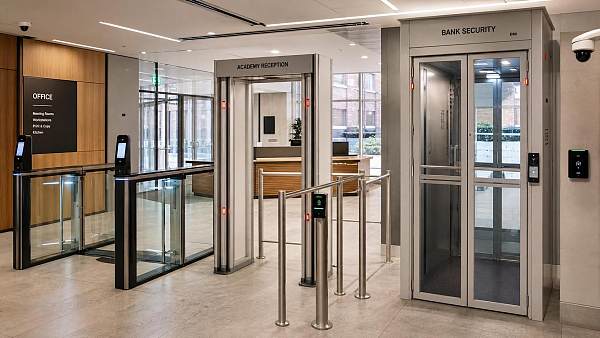
Choosing effective anti-tailgating systems UK organisations can trust is no longer a niche security decision. It is now a core part of site protection and daily operations.
Unauthorised entry often happens in seconds. One valid credential opens a door, then a second person slips through without approval.
That risk affects offices, schools, and banks in different ways. Yet the need is shared: control access without creating friction for legitimate users.
The UK market has also changed. More buildings now combine access control, visitor management, video verification, and anti-tailgating detection into one security workflow.
This shift matters because a door alone does not solve the problem. The best anti-tailgating systems UK buyers select must match traffic speed, threat profile, compliance needs, and user expectations.
In practical terms, the right system reduces human error, supports audit trails, and strengthens confidence in physical security procedures.
What Counts as an Anti-Tailgating System
Anti-tailgating systems UK facilities use usually combine barriers, sensors, software, and credential checks. The goal is simple: allow one authorised person per approval event.
Different technologies fit different buildings. Some control flow physically. Others detect suspicious movement and trigger alerts for guards or operators.
- Speed gates for fast office entry with strong visual deterrence
- Full-height turnstiles for high-security perimeter zones
- Optical lanes with infrared beams for internal lobbies
- Interlocking mantrap portals for banks and sensitive rooms
- Door-based tailgating alarms linked to card readers and CCTV
A common mistake is buying hardware first. In reality, the wider process matters just as much as the product itself.
For example, poor visitor handling can undermine even advanced anti-tailgating systems UK sites install at main entrances.
Best Options for Office Buildings
Office environments usually need a balance of security, design, and throughput. Staff expect fast entry, while reception teams need clear visibility and control.
In most cases, speed gates are the strongest option. They support smooth movement while creating a visible boundary between public and secure space.
Why speed gates work well
- They process large staff volumes during peak hours
- They integrate easily with cards, mobile credentials, and biometrics
- They look appropriate in modern corporate receptions
- They support audit logs and alarm events
Still, not every office needs the same lane configuration. A headquarters with daily visitors may require wider accessible lanes and dedicated visitor escort procedures.
Smaller offices may prefer compact optical systems. These provide anti-tailgating detection without the heavier appearance of full barrier structures.
The most effective anti-tailgating systems UK offices deploy also link entry events with CCTV clips. That makes incident review faster and far more useful.
Best Options for Schools and Education Sites
Schools face a more sensitive challenge. Security must improve without making the site feel hostile or difficult for staff, pupils, parents, and approved visitors.
Here, layered protection often works better than a single device. External perimeter control, reception screening, and internal zoning should work together.
Recommended school approach
- Use secure perimeter gates with scheduled access rules
- Add monitored reception entry with visitor sign-in
- Install anti-tailgating detection at staff-only areas
- Separate administrative, teaching, and restricted zones
In schools, full-height turnstiles can be useful at outer boundaries. However, internal public-facing areas often need softer solutions.
Infrared anti-tailgating lanes and alarmed access points are often a better fit near administration areas, safeguarding offices, and IT rooms.
This is where anti-tailgating systems UK education sites adopt should support safeguarding policy, not just door control.
Best Options for Banks and Financial Facilities
Banks require the highest level of entry discipline. The consequences of unauthorised access are larger, and the tolerance for failure is much lower.
For that reason, anti-tailgating systems UK banks choose often include physical segregation, identity verification, and alarm response in one controlled sequence.
High-security choices
- Mantrap portals for one-person controlled entry
- Biometric verification for staff-only secure areas
- Full-height or reinforced turnstiles at service zones
- Anti-passback rules within access control software
- CCTV analytics for alarm verification
In real projects, customer-facing branches and cash-handling facilities should not be treated the same. Risk, staffing, and entry patterns differ sharply.
A branch may prioritise discreet control and customer comfort. A cash centre may prioritise containment, dual authentication, and strict anti-tailgating enforcement.
That is why anti-tailgating systems UK financial operators invest in should be selected zone by zone, rather than as one standard package.
Key Features to Compare Before Buying
When comparing anti-tailgating systems UK buyers should focus on measurable performance, not just product claims or appearance.
It also helps to ask suppliers for real deployment data. Detection theory sounds good, but field performance is what protects a site.
Another useful test is user behaviour. If employees constantly bypass procedures, even advanced anti-tailgating systems UK sites install will underperform.
How to Plan a Smarter Deployment
A strong deployment starts with a site-specific risk review. That means mapping entry points, traffic peaks, vulnerable zones, and likely bypass behaviours.
From there, build the specification around operations, not just equipment lists. This approach usually produces better outcomes and fewer costly changes later.
Practical planning steps
- Define which doors need deterrence, detection, or full physical blocking
- Separate employee, visitor, contractor, and delivery flows
- Check fire, accessibility, and evacuation requirements early
- Require integration with existing access control platforms
- Pilot the system during realistic busy periods
In many cases, the best answer is not the most aggressive hardware. It is the solution people can use correctly every day.
That is the real value of well-chosen anti-tailgating systems UK organisations rely on: they strengthen security while fitting the rhythm of the building.
For offices, schools, and banks, the smartest next step is a structured comparison of risk, flow, and integration. That turns security spending into a practical, defensible investment.
Have questions about this sector analysis, or seeking best practices specific to your niche? Drop us a line below and let the senior consultants at MHLS assist you.
We respect your privacy. Your information is strictly confidential.
Recommended News
 Physical Security System Engineering: From Risk Assessment to System DesignUnmanned Terminal FellowExplore physical security system engineering, from risk assessment to integrated design, procurement and testing. Build a safer, more resilient facility.
 Apple Home Collection Smart Lock and Other Accessories Open for Preorder November 13Biometric Auth ScientistApple Home Collection preorders open November 13, 2026. Explore the LG smart lock’s Matter and Aliro support and what buyers should verify before ordering.
 Choosing Servo-Driven Flap Barriers: Throughput, Safety and Access ControlAccess Control StrategistServo-driven flap barriers can balance throughput, safety and access control. Discover how to compare lanes, test performance and choose with confidence.
 Parcel Locker Network Pricing: Setup Costs, Fees and Contract TermsUnmanned Terminal FellowCompare parcel locker networks pricing, from setup costs and recurring fees to contract terms. Discover hidden charges and choose the right model.
 JR East Plans UWB Walk-Through Gates at 40 Stations in Spring 2028Access Control StrategistJR East plans UWB walk-through gates at 40 stations in spring 2028. Explore the rollout timeline and what suppliers should watch.
 Bank Vault Security Standards: UL and EN Ratings ExplainedVault Structural ArchitectExplore bank vault security standards and learn how UL 608 classes and EN 1143-1 grades differ, what they test, and how to verify certification before you buy.
 Mechanical Lock Hardware Prices: What Buyers Should Budget for Bulk OrdersMr. Gideon CrossMechanical lock hardware price is just the starting point. Discover what drives bulk-order costs and how to compare supplier quotes with confidence.
 IndexBox Forecasts Steady Global Security Keypad Market Growth Through 2035Dr. Valerius ThorneGlobal security keypad market growth is forecast at 3.3% annually through 2035. Explore the smart home and replacement trends shaping demand.
 Choosing an Infrared Safety Sensors Manufacturer: What Buyers Should CheckUnmanned Terminal FellowChoosing an infrared safety sensors manufacturer? Compare safety evidence, integration, environmental performance and lifecycle costs before you buy.
 Choosing a Security Material Testing Service: What to Check for Lock and Safe MaterialsProf. Elara SterlingChoose a security material testing service with confidence. Learn what to check for lock and safe materials, from attack methods and accreditation to reliable reports.
 How Precision Anti-Pick Lock Cylinders Resist ManipulationSecurity Metallurgy ExpertDiscover how precision anti-pick lock technology resists manipulation, and learn what to check when comparing security features, test evidence, and everyday reliability.
 Dermalog Joins NIST FastCAP Program for Contactless Fingerprint TestingProf. Elara SterlingDermalog joins the NIST FastCAP program for contactless fingerprint testing. Discover what this means for biometric identification and digital identity.











