
Physical Security Systems for Logistics Sites: How to Protect Gates, Yards, and Warehouses
Physical Security Systems for Logistics Sites: How to Protect Gates, Yards, and Warehouses
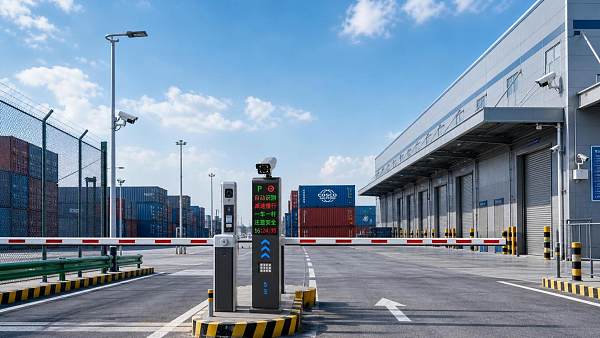
Physical security systems for logistics sites are no longer optional when cargo theft, unauthorized access, and operational disruption can affect every stage of movement.
Protecting gates, yards, and warehouses now demands more than cameras and fences. It requires a coordinated security design built around movement, visibility, control, and response.
In practice, logistics locations face layered risk. Trucks arrive at odd hours, contractors enter temporary zones, and goods may sit in transfer areas before final dispatch.
That mix creates weak points. A single unmonitored gate, a poorly lit yard, or an unsecured warehouse door can expose the entire operation.
This is why physical security systems for logistics sites should be planned as an operational framework, not treated as separate hardware purchases.
Why Logistics Sites Need Layered Protection
Most threats do not begin inside the warehouse. They usually start at the perimeter, the gate lane, or the vehicle holding area.
A layered model helps stop problems early. It also reduces the pressure on guards, warehouse staff, and downstream investigations.
Strong physical security systems for logistics sites normally cover four linked zones:
- Outer perimeter and boundary lines
- Vehicle and pedestrian entry points
- Open yard, loading, and trailer staging areas
- Warehouse shell, doors, cages, and restricted rooms
When these zones are connected, detection becomes faster. Response also becomes more precise, because alarms can be tied to real location data.
Start with Gate Security and Access Control
Gates are the first real control point. If gate processes are weak, every other security layer works harder and delivers less value.
Effective physical security systems for logistics sites should separate vehicle access from pedestrian access wherever site layout allows.
This reduces confusion, improves safety, and makes tailgating easier to identify. It also supports better audit trails during peak traffic periods.
Key gate controls to consider
- Barrier gates with vehicle loop detection
- Turnstiles or speed gates for staff and visitors
- License plate recognition for approved fleet access
- Intercom stations for after-hours entry verification
- Visitor credentialing tied to delivery schedules
- Anti-tailgating sensors at controlled staff entrances
More importantly, gate hardware should be matched with policy. A secure gate still fails if identity checks are inconsistent or exceptions are unmanaged.
From a deployment standpoint, access control should support role-based permissions. Drivers, cleaners, maintenance teams, and warehouse supervisors do not need equal access.
Secure the Yard Before Problems Reach the Building
Yards are often the least controlled part of a logistics site. Yet they hold trailers, pallets, containers, and idle vehicles with clear theft value.
This is where physical security systems for logistics sites need broad visibility, dependable lighting, and clear zone management.
What a secure yard usually includes
- Perimeter fencing with controlled maintenance access points
- High-output lighting that removes dark blind spots
- CCTV coverage for lanes, corners, dock lines, and trailer rows
- Intrusion detection on vulnerable perimeter sections
- Clear markings for parking, waiting, and restricted zones
- Emergency communication points for staff working outside
Good yard security is not only about watching. It is about making movement predictable, so unusual behavior stands out immediately.
For example, if trailers can park anywhere, camera coverage loses value. If routes are defined, surveillance and patrols become much more effective.
Strengthen Warehouse Entry Points and Internal Zones
Warehouse protection should focus on shell security first. Doors, shutters, dock entries, and emergency exits all need physical and electronic controls.
Physical security systems for logistics sites should treat the warehouse as multiple internal risk areas, not one open box.
Critical warehouse measures
- High-security doors and locksets at external access points
- Door position monitoring for shutters and side entrances
- Access control on inventory cages, tool rooms, and IT rooms
- Segregated zones for returns, damaged goods, and high-value stock
- Alarm linkage for forced entry and out-of-hours opening
- Mechanical lock reliability for backup and emergency use
This is where hardware quality matters. Weak cylinders, unreliable electronic locks, or poorly rated doors can undermine the whole security design.
In actual operations, loading docks deserve extra attention. They combine exterior exposure, vehicle contact, timing pressure, and frequent human movement.
Dock doors should be monitored continuously. Opening events, idle open time, and mismatched loading activity should all trigger review.
Choose Surveillance That Supports Decisions
Surveillance works best when it supports action. Installing more cameras alone does not create stronger physical security systems for logistics sites.
What matters is camera placement, image quality, retention policy, and connection to event workflows.
Focus surveillance on these operational questions
- Who entered the site, and through which gate?
- Which trailer or vehicle moved at that time?
- Was the warehouse door opened with authorization?
- Did staff enter a restricted zone outside normal activity?
- Can the event be verified quickly for insurance or compliance review?
When those questions can be answered fast, investigations become shorter and loss recovery becomes more realistic.
It also helps to integrate cameras with access logs, intrusion alerts, and visitor records. That turns separate devices into an operational evidence system.
Match Hardware Reliability to Site Conditions
A common mistake is selecting security products only by feature list. Logistics environments are harsh, and reliability often matters more than novelty.
Physical security systems for logistics sites must handle dust, vibration, weather shifts, power interruptions, and heavy daily use.
Selection criteria worth checking
- Mechanical durability under frequent cycles
- Ingress protection for outdoor equipment
- Backup operation during network or power loss
- Compatibility with existing access control platforms
- Serviceability and spare parts availability
- Test data, compliance records, and supplier support depth
This is especially relevant for gates, turnstiles, lock cylinders, electronic locks, and protective doors. These are active control points, not passive accessories.
Build a Practical Deployment Plan
The best physical security systems for logistics sites are usually delivered in phases. That approach reduces disruption and allows validation before full rollout.
This staged method also helps with budgeting. Instead of buying disconnected products, teams can invest where loss exposure is highest first.
What to Review Before Procurement
Before approving vendors, it helps to evaluate more than unit pricing. Long-term performance often depends on integration quality and field support.
For physical security systems for logistics sites, procurement reviews should check these points:
- Has the supplier worked on logistics or industrial sites before?
- Can the hardware meet local compliance and insurance expectations?
- Are failure modes documented for power, network, and forced attack scenarios?
- Is there a clear maintenance schedule with response commitments?
- Can evidence data be exported for audits and investigations?
These questions help separate basic product supply from true solution capability. That difference becomes visible after deployment, not before.
A Smarter Security Framework for Modern Logistics
Physical security systems for logistics sites should protect movement as much as assets. That is the key shift in modern site design.
When gates control entry, yards stay visible, and warehouses are segmented properly, risk becomes easier to manage and easier to measure.
The most effective approach combines access control, perimeter defense, surveillance, mechanical strength, and operational discipline into one working system.
For logistics operators planning upgrades, the practical next step is simple: map the site by risk, rank the weak points, and build security around real movement patterns.
That is how physical security systems for logistics sites move from isolated equipment decisions to a resilient protection strategy that supports daily operations.
Have questions about this sector analysis, or seeking best practices specific to your niche? Drop us a line below and let the senior consultants at MHLS assist you.
We respect your privacy. Your information is strictly confidential.
Recommended News
 Physical Security Infrastructure Cost: Budgeting for Installation and MaintenanceUnmanned Terminal FellowUnderstand physical security infrastructure cost and build a smarter budget for installation, maintenance, and long-term ownership.
 Financial Facility Security: Choosing Vault Doors for Bank BranchesVault Structural ArchitectStrengthen financial facility security with the right bank vault door. Explore certification, installation, locking controls and maintenance before you buy.
 MACO Acquires Majority Stake in Fingerprint Access Provider ekeyProf. Elara SterlingMACO acquires a majority stake in ekey, bringing fingerprint access and door hardware closer together. Discover what the deal could mean for smart buildings.
 Physical Security System Engineering: From Risk Assessment to System DesignUnmanned Terminal FellowExplore physical security system engineering, from risk assessment to integrated design, procurement and testing. Build a safer, more resilient facility.
 Apple Home Collection Smart Lock and Other Accessories Open for Preorder November 13Biometric Auth ScientistApple Home Collection preorders open November 13, 2026. Explore the LG smart lock’s Matter and Aliro support and what buyers should verify before ordering.
 Choosing Servo-Driven Flap Barriers: Throughput, Safety and Access ControlAccess Control StrategistServo-driven flap barriers can balance throughput, safety and access control. Discover how to compare lanes, test performance and choose with confidence.
 Parcel Locker Network Pricing: Setup Costs, Fees and Contract TermsUnmanned Terminal FellowCompare parcel locker networks pricing, from setup costs and recurring fees to contract terms. Discover hidden charges and choose the right model.
 JR East Plans UWB Walk-Through Gates at 40 Stations in Spring 2028Access Control StrategistJR East plans UWB walk-through gates at 40 stations in spring 2028. Explore the rollout timeline and what suppliers should watch.
 Bank Vault Security Standards: UL and EN Ratings ExplainedVault Structural ArchitectExplore bank vault security standards and learn how UL 608 classes and EN 1143-1 grades differ, what they test, and how to verify certification before you buy.
 Mechanical Lock Hardware Prices: What Buyers Should Budget for Bulk OrdersMr. Gideon CrossMechanical lock hardware price is just the starting point. Discover what drives bulk-order costs and how to compare supplier quotes with confidence.
 IndexBox Forecasts Steady Global Security Keypad Market Growth Through 2035Dr. Valerius ThorneGlobal security keypad market growth is forecast at 3.3% annually through 2035. Explore the smart home and replacement trends shaping demand.
 Choosing an Infrared Safety Sensors Manufacturer: What Buyers Should CheckUnmanned Terminal FellowChoosing an infrared safety sensors manufacturer? Compare safety evidence, integration, environmental performance and lifecycle costs before you buy.











