Access Control Management System Cost Breakdown: Hardware, Software, and Hidden Expenses
Access Control Management System Cost Breakdown: Hardware, Software, and Hidden Expenses

Planning an access control management system budget goes far beyond card readers and software licenses.
The real cost picture includes devices, platform fees, labor, integration, service contracts, and future upgrades.
That matters because a low entry quote can hide long-term spending.
In procurement reviews, the better question is not only “What is the system price?”
It is also “What will this access control management system cost over three to seven years?”
A practical budget should reflect deployment size, site complexity, compliance requirements, and the risk profile of each entrance.
This guide breaks the cost structure into visible and hidden components, so approvals rely on total value, not incomplete pricing.
What Drives Access Control Management System Pricing
Every access control management system is built from several cost layers.
Some are obvious during quotation.
Others appear after installation, when the system must connect with buildings, users, and operating procedures.
Pricing usually depends on four variables:
- Number of doors, gates, elevators, or restricted zones
- Authentication method, such as cards, PINs, mobile credentials, or biometrics
- Site conditions, including cabling distance, door type, and power availability
- Integration depth with video, alarms, visitor systems, HR, or building platforms
From recent buying patterns, a more obvious signal is that software and support now consume a larger share of lifecycle spending.
That means upfront hardware pricing tells only part of the story.
Hardware Costs: The Most Visible Budget Line
Hardware is usually the easiest part of an access control management system budget to understand.
It includes all field devices required to secure and monitor an opening.
Core device categories
- Door controllers and expansion boards
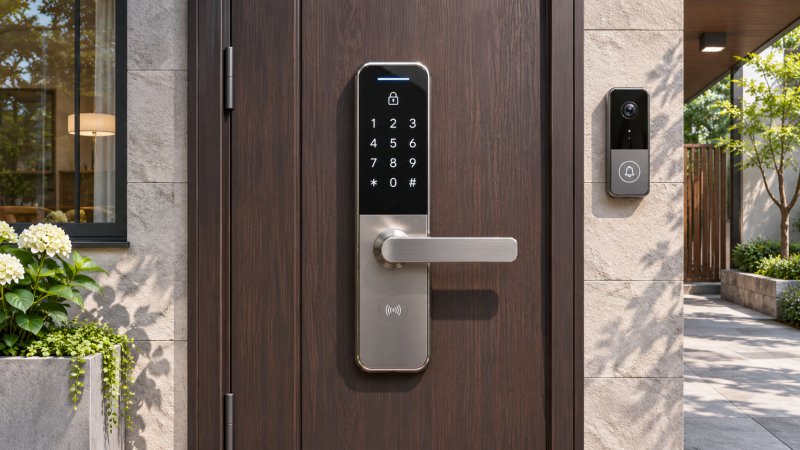
- Readers for cards, mobile credentials, PIN, fingerprint, face, or vein recognition
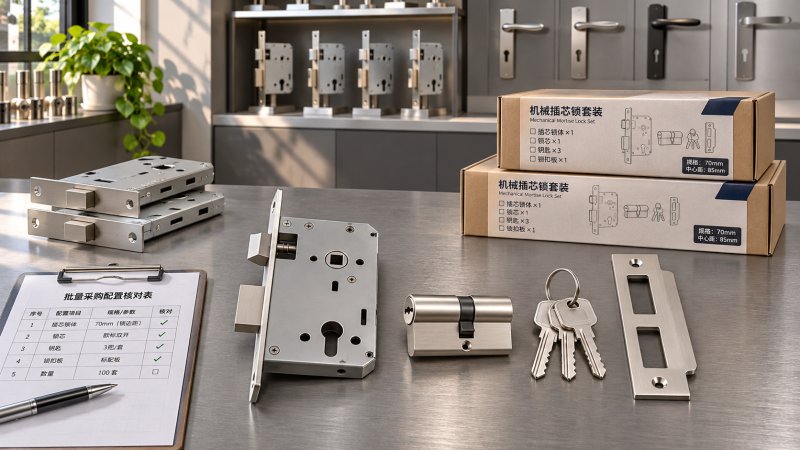
- Electronic locks, magnetic locks, strikes, and locking accessories
- Exit buttons, door contacts, request-to-exit sensors, and alarm interfaces
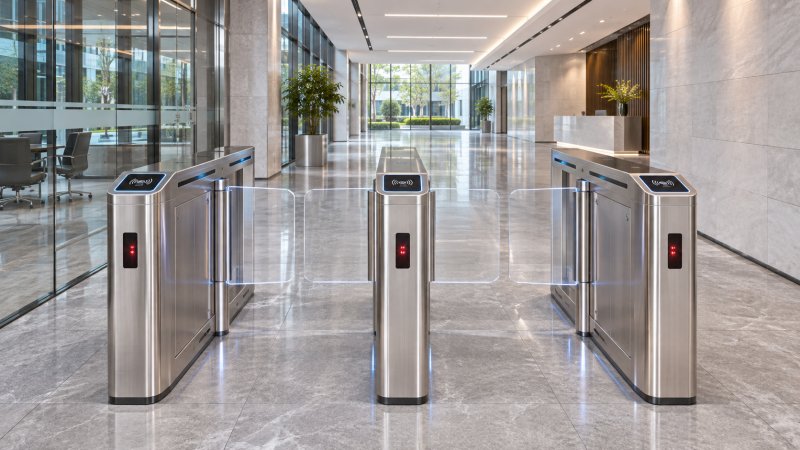
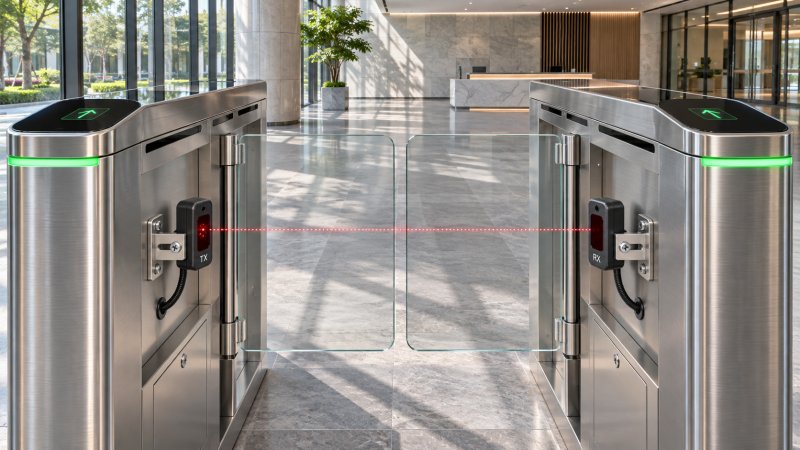
- Turnstiles, speed gates, or barrier integrations for higher traffic sites
- Power supplies, backup batteries, enclosures, and surge protection
Why hardware costs vary so much
A simple office door with a card reader costs far less than a data room with biometric verification and anti-tailgating controls.
Exterior doors often need weather-rated hardware, stronger locking, and more installation time.
High-security facilities may also require redundant power, tamper detection, and certified components.
In real projects, the lock and door condition often change the budget more than the reader itself.
Software and Platform Costs: Often Underestimated
Software defines how the access control management system is administered, updated, reported, and expanded.
This is where recurring costs can grow quietly.
Common software charges
- Server or cloud subscription fees
- Per-door, per-reader, or per-user licensing
- Mobile credential management fees
- Reporting, audit trail, and compliance modules
- Video integration, visitor management, or alarm linkage add-ons
- Annual support, updates, and cybersecurity patch services
Cloud versus on-premise cost logic
Cloud access control management system platforms reduce internal server responsibility.
They usually shift more cost into subscriptions.
On-premise software may look cheaper over time, but it adds server hardware, IT labor, backup planning, and upgrade work.
The better option depends on how each organization values control, internal IT capacity, and multi-site scalability.
Installation, Integration, and Commissioning Costs
Many budgets focus on product price and miss deployment labor.
Yet labor can represent a major share of access control management system cost.
Where project labor adds up
- Site survey and door condition assessment
- Cabling, conduit, trenching, and electrical work
- Door modification, frame preparation, and lock alignment
- Controller setup, software configuration, and permissions design
- Integration with CCTV, intrusion alarms, elevators, or fire systems
- Testing, user training, and handover documentation
In practical terms, older buildings usually cost more.
Retrofits often reveal hidden cable routes, damaged doors, or code-compliance issues after work begins.
That is why pre-install surveys are worth paying for.
Hidden Expenses That Disrupt ROI
Hidden costs are where access control management system budgets most often drift.
They are rarely dramatic alone.
Together, they can materially change payback expectations.
Frequently missed cost items
- Credential issuance, replacement cards, or mobile license renewals
- Database migration from older systems
- API fees or custom integration development
- Cybersecurity hardening and penetration testing
- Battery replacement and preventive maintenance visits
- Emergency service calls and after-hours technician rates
- Compliance audits, logs retention, and reporting setup
- Future expansion licenses for new sites or added doors
A common example is software that includes basic access features, but charges extra for visitor workflows or video verification.
Another is biometric enrollment, which can increase staffing time during rollout.
These are not necessarily bad costs.
They simply need visibility before approval.
Sample Cost Structure by Budget Category
The mix below shows how an access control management system budget is often distributed.
Actual ratios vary by region, security level, and building type.
This also shows why comparing quotes by total project number alone can be misleading.
A lower initial bid may simply exclude future obligations.
Questions to Ask Before Approving an Access Control Management System
A good procurement review turns cost uncertainty into clear checkpoints.
Before approving any access control management system, ask:
- Is the quote door-by-door, site-by-site, and fully itemized?
- Which licenses are one-time, and which renew annually?
- What integrations are included, and what requires custom work?
- What assumptions were made about existing doors, wiring, and power?
- What service levels apply for maintenance, outages, and emergency calls?
- How much will expansion cost if more doors or sites are added later?
- What cybersecurity, backup, and compliance responsibilities remain internal?
These questions often reveal whether the solution is truly scalable or only inexpensive at the beginning.
How to Control Cost Without Weakening Security
Cost control does not mean buying the cheapest access control management system.
It means matching protection level to business risk.
- Use higher security methods only where asset value or compliance requires them
- Standardize readers, locks, and controllers to simplify spares and training
- Phase deployments by risk zone instead of replacing everything at once
- Request open integration capability to reduce vendor lock-in
- Include a three-year to five-year total cost model in every comparison
In many cases, the strongest savings come from better scoping, not lower component quality.
Final Takeaway
An access control management system is not a single product purchase.
It is a layered security investment with technical, operational, and financial consequences.
The most reliable approvals come from examining hardware, software, labor, maintenance, and hidden costs together.
When the full structure is visible, ROI becomes easier to defend, expansion becomes easier to plan, and budget surprises become far less likely.
If you are reviewing proposals now, start by asking for a lifecycle cost breakdown, not just an installation quote.
Have questions about this sector analysis, or seeking best practices specific to your niche? Drop us a line below and let the senior consultants at MHLS assist you.
We respect your privacy. Your information is strictly confidential.
Recommended News
 Financial Facility Security: Choosing Vault Doors for Bank BranchesVault Structural ArchitectStrengthen financial facility security with the right bank vault door. Explore certification, installation, locking controls and maintenance before you buy.
 MACO Acquires Majority Stake in Fingerprint Access Provider ekeyProf. Elara SterlingMACO acquires a majority stake in ekey, bringing fingerprint access and door hardware closer together. Discover what the deal could mean for smart buildings.
 Physical Security System Engineering: From Risk Assessment to System DesignUnmanned Terminal FellowExplore physical security system engineering, from risk assessment to integrated design, procurement and testing. Build a safer, more resilient facility.
 Apple Home Collection Smart Lock and Other Accessories Open for Preorder November 13Biometric Auth ScientistApple Home Collection preorders open November 13, 2026. Explore the LG smart lock’s Matter and Aliro support and what buyers should verify before ordering.
 Choosing Servo-Driven Flap Barriers: Throughput, Safety and Access ControlAccess Control StrategistServo-driven flap barriers can balance throughput, safety and access control. Discover how to compare lanes, test performance and choose with confidence.
 Parcel Locker Network Pricing: Setup Costs, Fees and Contract TermsUnmanned Terminal FellowCompare parcel locker networks pricing, from setup costs and recurring fees to contract terms. Discover hidden charges and choose the right model.
 JR East Plans UWB Walk-Through Gates at 40 Stations in Spring 2028Access Control StrategistJR East plans UWB walk-through gates at 40 stations in spring 2028. Explore the rollout timeline and what suppliers should watch.
 Bank Vault Security Standards: UL and EN Ratings ExplainedVault Structural ArchitectExplore bank vault security standards and learn how UL 608 classes and EN 1143-1 grades differ, what they test, and how to verify certification before you buy.
 Mechanical Lock Hardware Prices: What Buyers Should Budget for Bulk OrdersMr. Gideon CrossMechanical lock hardware price is just the starting point. Discover what drives bulk-order costs and how to compare supplier quotes with confidence.
 IndexBox Forecasts Steady Global Security Keypad Market Growth Through 2035Dr. Valerius ThorneGlobal security keypad market growth is forecast at 3.3% annually through 2035. Explore the smart home and replacement trends shaping demand.
 Choosing an Infrared Safety Sensors Manufacturer: What Buyers Should CheckUnmanned Terminal FellowChoosing an infrared safety sensors manufacturer? Compare safety evidence, integration, environmental performance and lifecycle costs before you buy.
 Choosing a Security Material Testing Service: What to Check for Lock and Safe MaterialsProf. Elara SterlingChoose a security material testing service with confidence. Learn what to check for lock and safe materials, from attack methods and accreditation to reliable reports.