
Cloud Access Control UK: Cost Drivers, Compliance Points, and Vendor Checklist
Cloud Access Control UK: Cost Drivers, Compliance Points, and Vendor Checklist
Choosing cloud access control UK solutions is no longer just about convenience. It now shapes budget planning, compliance exposure, and operational agility across multi-site estates.
For buyers, the hard part is not finding suppliers. It is separating low headline prices from long-term value, service resilience, and practical deployment fit.
This guide breaks down real cost drivers, key UK compliance points, and a workable vendor checklist. The goal is simple: make cloud access control UK comparisons clearer and procurement decisions safer.
Why Cloud Access Control UK Is Getting More Attention
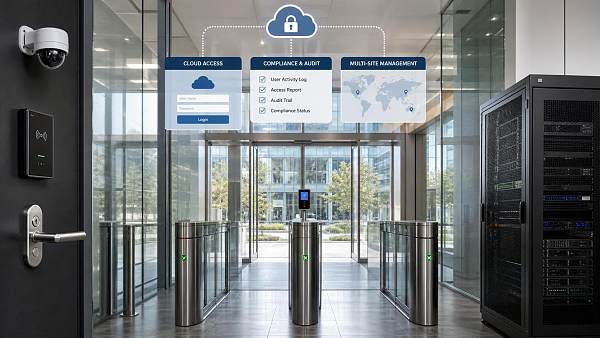
The UK market is seeing wider use of hybrid working, flexible tenancy, and distributed operations. That shift makes remote credential management much more valuable.
Traditional on-premise systems still work well in many sites. But they often slow down user changes, audit reporting, and estate-wide policy updates.
Cloud access control UK platforms promise easier administration. In practice, the real benefit is faster response to staffing changes, contractor access, and incident review.
More importantly, buyers increasingly want systems that integrate with physical security systems, smart locks, video, visitor workflows, and building operations.
That broader role changes the buying criteria. The decision is no longer about door control alone. It is about data handling, lifecycle cost, and integration readiness.
The Main Cost Drivers Behind Cloud Access Control UK Projects
Many suppliers market subscription simplicity. The actual spend profile is usually more layered, especially when older door hardware or mixed site conditions are involved.
1. Hardware and Door Environment
Reader type, controller architecture, lock compatibility, and power conditions all affect budget. A clean retrofit is rarely guaranteed across an existing estate.
Sites with turnstiles, protective doors, parcel rooms, or high-traffic entrances usually need more robust integration and safety logic. That pushes cost upward quickly.
2. Software Licensing Model
Cloud access control UK pricing may be per door, per site, per credential, or tiered by features. Cheap entry pricing can become expensive after scale-out.
Buyers should check costs for visitor management, mobile credentials, audit exports, video linkage, API access, and advanced reporting. These are often priced separately.
3. Installation and Commissioning
Labour cost varies sharply by building type. Heritage sites, healthcare estates, logistics hubs, and occupied offices usually require more planning and coordination.
Network readiness is another hidden issue. If cabling, PoE capacity, or secure VLAN design needs rework, project totals can rise before software goes live.
4. Ongoing Support and Service Levels
Support packages often differ more than product brochures suggest. Response times, hardware replacement terms, and update policy can materially change total cost of ownership.
For cloud access control UK deployments in multi-tenant or critical facilities, weak support terms can become a much bigger risk than the subscription fee itself.
5. Expansion and Change Management
A system may look affordable at ten doors. It can look very different at two hundred doors, several sites, and thousands of changing user records.
This is where procurement should model three-year and five-year scenarios, not just first-year capital and licence spend.
UK Compliance Points That Should Not Be Treated as a Late Check
In cloud access control UK buying, compliance is not a box-ticking exercise. It directly affects supplier risk, internal approvals, and the speed of rollout.
UK GDPR and Data Handling
Access logs are personal data when they identify individuals. If mobile credentials, biometrics, or visitor records are involved, the sensitivity rises further.
Buyers should verify data hosting location, retention controls, processor terms, and incident response obligations. Ask for clarity on cross-border data flows as well.
Cyber Security and System Resilience
A cloud-managed door system is also a networked security platform. Authentication controls, encryption, patch policy, and admin privilege design matter immediately.
Practical questions include MFA, audit trails, role segregation, firmware update governance, and fail-secure or fail-safe behaviour during connectivity loss.
Fire, Life Safety, and Egress Requirements
Not every cloud access control UK product fits every door condition. Emergency release, fire alarm interface, and escape route compliance must be validated early.
This is especially relevant where magnetic locks, speed gates, or restricted internal zones are involved. Hardware choice and wiring logic need careful review.
Industry-Specific Controls
Healthcare, education, financial sites, logistics facilities, and critical infrastructure often carry extra audit and resilience expectations beyond general office needs.
That means vendor claims should be tested against your actual environment, not accepted on generic compliance slides.
A Practical Vendor Checklist for Cloud Access Control UK Procurement
A good shortlist should go beyond feature lists. The best procurement outcomes usually come from a structured comparison of operational fit, risk, and supplier maturity.
Commercial and Pricing Questions
- Is pricing fixed per door, user, site, or module?
- What happens to cost when locations double?
- Are support, upgrades, and API access included?
- What are exit terms and data export rights?
Technical and Integration Questions
- Does the platform support existing locks, readers, and controllers?
- Can it connect with video, alarms, visitor tools, and identity systems?
- How does the system operate during internet outages?
- How often are firmware and software updates released?
Security and Compliance Questions
- Where is data stored, and under what legal framework?
- Is MFA enforced for administrators?
- How are audit logs protected and retained?
- Can the supplier support DPIA and security review requests?
Delivery and Service Questions
- Who handles installation, commissioning, and training?
- What UK support coverage is available?
- What are the SLA response and resolution targets?
- Can the supplier provide comparable UK reference projects?
Simple Comparison Table for Shortlisting
A weighted view helps turn marketing claims into a usable decision model. Keep scoring simple, but tie each score to evidence.
Common Buying Mistakes in Cloud Access Control UK Projects
One common mistake is focusing only on software dashboards. Attractive interfaces do not fix weak hardware compatibility or poor resilience at the door level.
Another issue is underestimating migration effort. Existing cards, permissions, site maps, and access groups often require more cleanup than expected.
Some teams also treat cloud access control UK as a pure IT purchase. In reality, security, facilities, compliance, and operations all need early input.
A further mistake is ignoring vendor durability. Product roadmap, local support depth, and integration maintenance capacity matter just as much as current features.
How to Make the Final Decision with More Confidence
Start with a clear use-case map. Separate standard office doors from high-security areas, shared entrances, logistics access points, and visitor-heavy zones.
Then build a five-year cost view. Include licences, commissioning, support, credential changes, integrations, replacement parts, and likely expansion.
Next, run a compliance and resilience review before final commercial negotiation. This step often reveals issues that glossy proposals leave vague.
Finally, ask shortlisted suppliers for a live workflow demonstration using your scenario. That exposes admin friction, reporting quality, and real operational fit.
A sound cloud access control UK decision usually comes from disciplined comparison, not the broadest feature list. Cost, compliance, and serviceability need equal weight.
With that approach, buyers can shortlist more effectively, control deployment risk, and choose a cloud access control UK platform that remains workable as security needs evolve.
Have questions about this sector analysis, or seeking best practices specific to your niche? Drop us a line below and let the senior consultants at MHLS assist you.
We respect your privacy. Your information is strictly confidential.
Recommended News
 Physical Security Infrastructure Cost: Budgeting for Installation and MaintenanceUnmanned Terminal FellowUnderstand physical security infrastructure cost and build a smarter budget for installation, maintenance, and long-term ownership.
 Financial Facility Security: Choosing Vault Doors for Bank BranchesVault Structural ArchitectStrengthen financial facility security with the right bank vault door. Explore certification, installation, locking controls and maintenance before you buy.
 MACO Acquires Majority Stake in Fingerprint Access Provider ekeyProf. Elara SterlingMACO acquires a majority stake in ekey, bringing fingerprint access and door hardware closer together. Discover what the deal could mean for smart buildings.
 Physical Security System Engineering: From Risk Assessment to System DesignUnmanned Terminal FellowExplore physical security system engineering, from risk assessment to integrated design, procurement and testing. Build a safer, more resilient facility.
 Apple Home Collection Smart Lock and Other Accessories Open for Preorder November 13Biometric Auth ScientistApple Home Collection preorders open November 13, 2026. Explore the LG smart lock’s Matter and Aliro support and what buyers should verify before ordering.
 Choosing Servo-Driven Flap Barriers: Throughput, Safety and Access ControlAccess Control StrategistServo-driven flap barriers can balance throughput, safety and access control. Discover how to compare lanes, test performance and choose with confidence.
 Parcel Locker Network Pricing: Setup Costs, Fees and Contract TermsUnmanned Terminal FellowCompare parcel locker networks pricing, from setup costs and recurring fees to contract terms. Discover hidden charges and choose the right model.
 JR East Plans UWB Walk-Through Gates at 40 Stations in Spring 2028Access Control StrategistJR East plans UWB walk-through gates at 40 stations in spring 2028. Explore the rollout timeline and what suppliers should watch.
 Bank Vault Security Standards: UL and EN Ratings ExplainedVault Structural ArchitectExplore bank vault security standards and learn how UL 608 classes and EN 1143-1 grades differ, what they test, and how to verify certification before you buy.
 Mechanical Lock Hardware Prices: What Buyers Should Budget for Bulk OrdersMr. Gideon CrossMechanical lock hardware price is just the starting point. Discover what drives bulk-order costs and how to compare supplier quotes with confidence.
 IndexBox Forecasts Steady Global Security Keypad Market Growth Through 2035Dr. Valerius ThorneGlobal security keypad market growth is forecast at 3.3% annually through 2035. Explore the smart home and replacement trends shaping demand.
 Choosing an Infrared Safety Sensors Manufacturer: What Buyers Should CheckUnmanned Terminal FellowChoosing an infrared safety sensors manufacturer? Compare safety evidence, integration, environmental performance and lifecycle costs before you buy.











