
Commercial Entry Security Cost: Budgeting Doors, Credentials, Installation, and Maintenance
Commercial Entry Security Cost: What Buyers Need to Budget First
Understanding commercial entry security cost is essential for balancing risk, compliance, and long-term value.
A door is only one line item.
The real budget includes hardware, credentials, labor, software, maintenance, and future upgrades.
That is where many projects drift off budget.
In practice, commercial entry security cost depends on traffic level, threat profile, compliance needs, and integration scope.
A small office and a logistics hub will not buy the same system.
This guide breaks the budget into clear parts.
It also highlights hidden costs that often appear after approval.
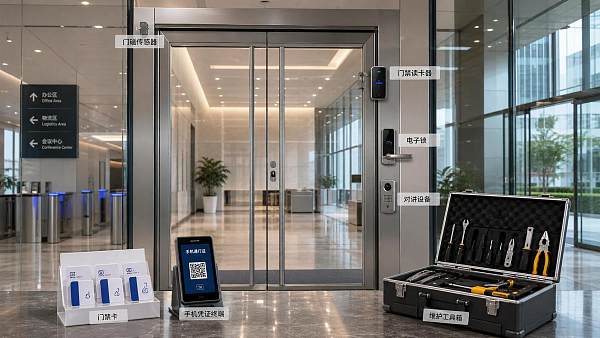
If you need a purchasing framework, start with total ownership cost, not just the initial quote.
The Main Cost Drivers Behind Commercial Entry Security Cost
Most budgets are shaped by four layers.
Those layers are barriers, credentials, installation, and ongoing support.
- Barrier costs include doors, frames, hinges, closers, locks, readers, and reinforced mounting points.
- Credential costs include cards, fobs, mobile access, biometric enrollment, and visitor passes.
- Installation costs include wiring, power supply, network setup, testing, and commissioning.
- Support costs include software updates, service calls, replacements, and preventive maintenance.
Each layer can move commercial entry security cost up or down very quickly.
The biggest mistake is pricing only the visible hardware.
That may look cheaper upfront, but it often creates change orders later.
Budgeting Doors and Physical Barriers
Doors usually anchor the first estimate.
But the cost range is wide because protection levels vary.
A basic commercial door with electric strike hardware may fit a low-risk office.
A server room, cash office, or restricted lab needs stronger assemblies.
That can include reinforced frames, anti-pry construction, door position sensors, and higher-cycle locking hardware.
What changes the door budget
- Material choice, such as hollow metal, aluminum, glass, or composite protective doors.
- Fire rating and code compliance requirements.
- Locking method, including mechanical cylinders, electrified locks, or multipoint systems.
- Opening frequency, which affects closer, hinge, and reader durability.
- Need for integration with alarms, intercoms, or access control platforms.
This is why commercial entry security cost should never be estimated per door alone.
It should be priced per protected opening.
That approach reflects hardware, structural work, and operating conditions more accurately.
Credentials, Readers, and Identity Management Costs
Credentials look inexpensive at first.
Yet over several years, they become a meaningful part of commercial entry security cost.
The reason is simple.
Issuance, replacement, revocation, and audit work all carry labor costs.
Common options and budget impact
- RFID cards and fobs are familiar, scalable, and usually cost-effective.
- Mobile credentials reduce physical card handling, but may add subscription fees.
- PIN access is low-cost, though code sharing creates management risk.
- Biometric credentials improve control, but device and enrollment costs are higher.
Biometric access can make sense in sensitive areas.
Examples include data rooms, R&D labs, pharmaceutical storage, and financial facilities.
However, buyers should check template storage, privacy rules, and liveness detection capability.
Those details affect both risk and long-term commercial entry security cost.
Installation and Integration: Where Quotes Often Change
Installation is where many budgets become unreliable.
The hardware list may be fixed, but the site rarely is.
Older buildings often need unexpected electrical work.
Glass entrances may require custom brackets or different locking methods.
Remote sites may add travel and coordination expenses.
Typical installation cost factors
- Low-voltage cabling routes and wall conditions.
- Power backup requirements for fail-safe or fail-secure devices.
- Network connection, controller location, and cybersecurity setup.
- Software configuration, user permissions, and time schedules.
- Testing with fire systems, video surveillance, and visitor management tools.
If the opening must connect to a larger security platform, costs rise again.
Still, integration can lower total commercial entry security cost over time.
A unified platform reduces manual administration, speeds audits, and improves event visibility.
Maintenance, Lifecycle, and Hidden Commercial Entry Security Cost
The purchase order is not the end of spending.
For many sites, maintenance decides whether the system stays effective.
High-traffic entrances experience wear faster than expected.
Readers fail, closers drift, batteries degrade, and credentials are lost.
Without a maintenance plan, small failures become security gaps.
Hidden costs buyers should check
- Annual software licenses or cloud subscriptions.
- Battery replacements for wireless locks and backup units.
- Emergency service calls outside standard hours.
- Credential replacement after staff turnover or contractor changes.
- Firmware updates and compatibility testing after platform changes.
These costs are not dramatic individually.
Together, they shape real commercial entry security cost.
That is why lifecycle planning matters more than price comparison alone.
A Practical Budgeting Framework for Procurement
A workable budget starts with a clear scope.
List every opening, user group, credential type, and integration requirement.
Then separate must-have controls from optional upgrades.
This framework makes commercial entry security cost easier to compare across suppliers.
It also exposes low quotes that exclude critical items.
How to Reduce Commercial Entry Security Cost Without Lowering Protection
Cost control does not mean buying the weakest option.
It means matching protection to actual risk.
- Standardize hardware where possible to simplify spare parts and service training.
- Use stronger security only at high-risk openings, not everywhere.
- Ask for pre-deployment site surveys to reduce installation surprises.
- Compare subscription models against long-term credential volume.
- Review warranty scope, response times, and excluded service items.
Another useful step is phasing the rollout.
Secure critical entries first, then expand after performance data is clear.
That reduces immediate capital pressure while preserving a scalable security roadmap.
Final Takeaway for Smarter Budget Decisions
Commercial entry security cost is never just the price of a door or reader.
It reflects how physical barriers, credentials, installation, and maintenance work together.
The smartest budgets focus on total ownership cost, not just initial procurement price.
If you compare suppliers, require clear scope definitions, lifecycle assumptions, and integration details.
That simple discipline makes commercial entry security cost more predictable and easier to defend internally.
Start with your highest-risk openings, map every cost layer, and build a system that stays secure as your site grows.
Have questions about this sector analysis, or seeking best practices specific to your niche? Drop us a line below and let the senior consultants at MHLS assist you.
We respect your privacy. Your information is strictly confidential.
Recommended News
 Financial Facility Security: Choosing Vault Doors for Bank BranchesVault Structural ArchitectStrengthen financial facility security with the right bank vault door. Explore certification, installation, locking controls and maintenance before you buy.
 MACO Acquires Majority Stake in Fingerprint Access Provider ekeyProf. Elara SterlingMACO acquires a majority stake in ekey, bringing fingerprint access and door hardware closer together. Discover what the deal could mean for smart buildings.
 Physical Security System Engineering: From Risk Assessment to System DesignUnmanned Terminal FellowExplore physical security system engineering, from risk assessment to integrated design, procurement and testing. Build a safer, more resilient facility.
 Apple Home Collection Smart Lock and Other Accessories Open for Preorder November 13Biometric Auth ScientistApple Home Collection preorders open November 13, 2026. Explore the LG smart lock’s Matter and Aliro support and what buyers should verify before ordering.
 Choosing Servo-Driven Flap Barriers: Throughput, Safety and Access ControlAccess Control StrategistServo-driven flap barriers can balance throughput, safety and access control. Discover how to compare lanes, test performance and choose with confidence.
 Parcel Locker Network Pricing: Setup Costs, Fees and Contract TermsUnmanned Terminal FellowCompare parcel locker networks pricing, from setup costs and recurring fees to contract terms. Discover hidden charges and choose the right model.
 JR East Plans UWB Walk-Through Gates at 40 Stations in Spring 2028Access Control StrategistJR East plans UWB walk-through gates at 40 stations in spring 2028. Explore the rollout timeline and what suppliers should watch.
 Bank Vault Security Standards: UL and EN Ratings ExplainedVault Structural ArchitectExplore bank vault security standards and learn how UL 608 classes and EN 1143-1 grades differ, what they test, and how to verify certification before you buy.
 Mechanical Lock Hardware Prices: What Buyers Should Budget for Bulk OrdersMr. Gideon CrossMechanical lock hardware price is just the starting point. Discover what drives bulk-order costs and how to compare supplier quotes with confidence.
 IndexBox Forecasts Steady Global Security Keypad Market Growth Through 2035Dr. Valerius ThorneGlobal security keypad market growth is forecast at 3.3% annually through 2035. Explore the smart home and replacement trends shaping demand.
 Choosing an Infrared Safety Sensors Manufacturer: What Buyers Should CheckUnmanned Terminal FellowChoosing an infrared safety sensors manufacturer? Compare safety evidence, integration, environmental performance and lifecycle costs before you buy.
 Choosing a Security Material Testing Service: What to Check for Lock and Safe MaterialsProf. Elara SterlingChoose a security material testing service with confidence. Learn what to check for lock and safe materials, from attack methods and accreditation to reliable reports.











