FCC Sets New AI Access Device Rules
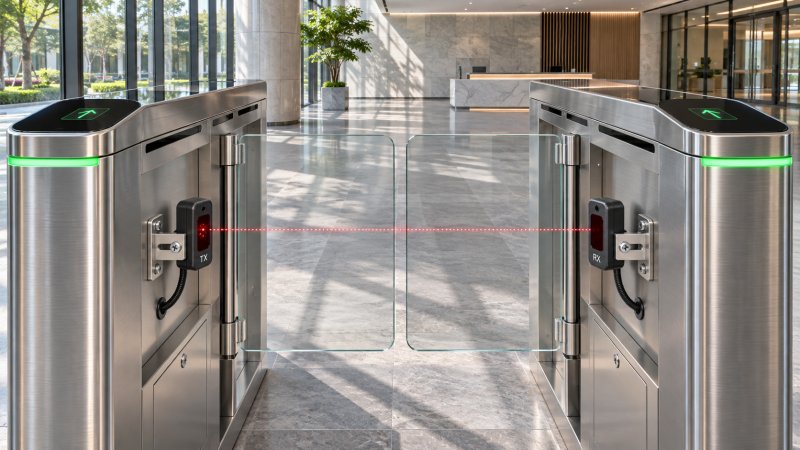
Effective October 1, 2026, a new FCC requirement is set to reshape how facial recognition turnstiles and anti-tailgating revolving doors are prepared for the U.S. market. Based on KDB 865664 D05 v1.2 issued by the U.S. Federal Communications Commission (FCC) on June 10, 2026, the rule brings new technical expectations for biometric modules, local AI inference, and wireless model update controls. For exporters, device makers, firmware teams, and buyers working on U.S.-bound projects, the immediate issue is not only compliance scope but also how delivery schedules and development workflows may need to adjust.

What the FCC requirement now specifies
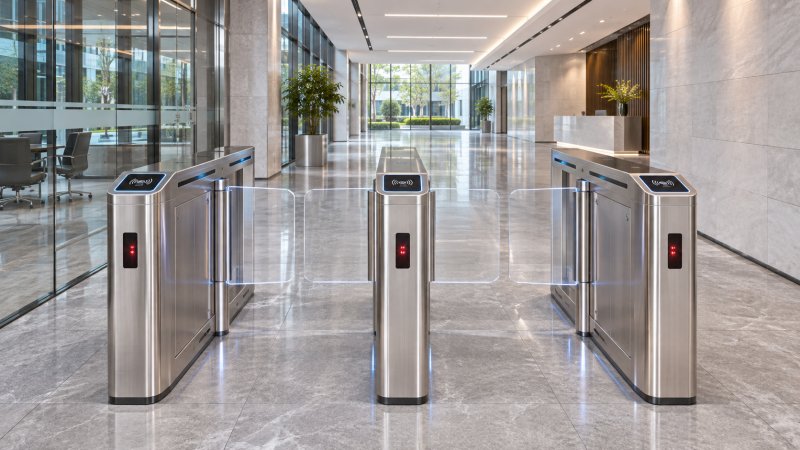
The confirmed information shows that the FCC issued KDB 865664 D05 v1.2 on June 10, 2026. Under this notice, from October 1, 2026, all Facial Recognition Turnstiles and Anti-tailgating Revolving Doors submitted for FCC ID must use biometric modules with a built-in near-infrared (NIR) light source and depth sensor combination.
The same requirement states that 3D structured light or near-infrared vein-based liveness detection must be completed on the device side, and may not depend on a cloud API. The notice also prohibits the use of wireless AI model update channels that have not been authorized by the FCC.
The input information further indicates that this requirement will affect delivery cycles and firmware development processes for major Chinese exporters shipping such products to the United States.
Where the impact is likely to appear first
Export-oriented equipment suppliers face immediate compliance pressure
From an industry perspective, suppliers shipping facial recognition turnstiles or anti-tailgating revolving doors to the U.S. are likely to be affected first because the requirement is tied to FCC ID submissions. The impact may appear in product specification checks, model selection for export versions, and project delivery planning for U.S. orders.
Biometric module and hardware integration teams may need to revisit configurations
Analysis shows that teams responsible for biometric modules and device integration should pay close attention because the rule explicitly refers to an NIR light source plus depth sensor combination, along with on-device liveness detection. For these participants, the key issue is whether current hardware architecture and module design align with the new filing requirement.
Firmware and AI deployment workflows come under closer scrutiny
What deserves closer attention is the rule against relying on cloud APIs for liveness decisions and the ban on unauthorized wireless AI model update channels. This may affect how firmware teams, embedded AI developers, and compliance coordinators handle inference location, update pathways, and release management for U.S.-bound products.
Buyers and project operators may need to reassess timelines
For procurement teams, integrators, and end-use project operators sourcing these devices for the U.S. market, the likely impact is on lead time visibility and acceptance planning. If suppliers need to adjust hardware combinations or firmware processes, delivery coordination and project scheduling may require closer review.
What companies should monitor now
Watch for follow-up wording and implementation detail
Analysis shows that companies should continue monitoring whether there are further official clarifications around scope, filing practice, and interpretation of the requirement. The current signal is clear on device-side liveness detection and restricted wireless model updates, but operational reading often matters as much as headline wording.
Review U.S.-bound product lines separately from other markets
For manufacturers and exporters, a practical focus is whether existing product variants for the U.S. market already match the required NIR and depth sensing combination. This is especially relevant where product architecture differs by destination market or certification path.
Check firmware governance and update channels
Observably, teams should not treat the rule only as a sensor issue. The restriction on unauthorized wireless AI model update channels means firmware governance, change control, and update authorization paths may become a parallel compliance point in project execution.
Prepare customer communication around delivery and documentation
For sales, compliance, and supply chain teams, it is worth preparing explanations for customers about possible effects on submission timing, documentation readiness, and delivery schedules. The input information already notes possible pressure on delivery cycles and firmware development processes, so commercial communication may need to align with engineering status.
Why this matters beyond a single filing change
In editorial observation, this development can be read as more than a narrow certification adjustment. It links biometric hardware configuration, liveness detection method, inference location, and wireless model control into one compliance discussion. That makes it relevant not only to certification staff but also to product planning and embedded AI teams.
It is more appropriate to understand this as a concrete near-term compliance change with broader long-term signaling value. The near-term element is clear because an effective date has been set for covered products. The longer-term signal, as an observation rather than a confirmed fact, is that regulators are paying closer attention to how AI-enabled access devices perform sensitive biometric functions at the device level.
At the same time, this remains a dynamic area that still warrants continued observation. The current input confirms the requirement and its likely operational pressure points, but not every downstream business consequence can be treated as settled in advance.
How the industry may best frame this development
The main significance of this update is that compliance for AI-enabled access control hardware aimed at the U.S. market is no longer limited to traditional device filing logic alone. It now directly touches sensor configuration, liveness detection architecture, local inference design, and update-channel control.
A neutral reading is that the rule creates an immediate checklist for affected product categories while also sending a broader policy signal for connected biometric equipment. For now, it is more appropriate to understand the development as a confirmed short-term regulatory change that also deserves longer-term industry attention, rather than as a fully settled picture of market outcomes.
Basis of this article
This article is generated from the user-provided news title, event date, and event summary. The writing is based on the stated information about the FCC notice, its effective date, the specified technical requirements for covered devices, the prohibition on unauthorized wireless AI model update channels, and the noted impact on delivery cycles and firmware development processes for major Chinese exporters.
For this type of industry update, relevant source categories typically include official notices, company disclosures, industry association information, authoritative media reporting, and standards-related documents. A specific official source link was not provided in the input, so the exact link still requires continued verification. Follow-up attention should remain on any later official clarification, implementation detail, or scope interpretation related to the requirement.
Have questions about this sector analysis, or seeking best practices specific to your niche? Drop us a line below and let the senior consultants at MHLS assist you.
We respect your privacy. Your information is strictly confidential.
Recommended News
 Financial Facility Security: Choosing Vault Doors for Bank BranchesVault Structural ArchitectStrengthen financial facility security with the right bank vault door. Explore certification, installation, locking controls and maintenance before you buy.
 MACO Acquires Majority Stake in Fingerprint Access Provider ekeyProf. Elara SterlingMACO acquires a majority stake in ekey, bringing fingerprint access and door hardware closer together. Discover what the deal could mean for smart buildings.
 Physical Security System Engineering: From Risk Assessment to System DesignUnmanned Terminal FellowExplore physical security system engineering, from risk assessment to integrated design, procurement and testing. Build a safer, more resilient facility.
 Apple Home Collection Smart Lock and Other Accessories Open for Preorder November 13Biometric Auth ScientistApple Home Collection preorders open November 13, 2026. Explore the LG smart lock’s Matter and Aliro support and what buyers should verify before ordering.
 Choosing Servo-Driven Flap Barriers: Throughput, Safety and Access ControlAccess Control StrategistServo-driven flap barriers can balance throughput, safety and access control. Discover how to compare lanes, test performance and choose with confidence.
 Parcel Locker Network Pricing: Setup Costs, Fees and Contract TermsUnmanned Terminal FellowCompare parcel locker networks pricing, from setup costs and recurring fees to contract terms. Discover hidden charges and choose the right model.
 JR East Plans UWB Walk-Through Gates at 40 Stations in Spring 2028Access Control StrategistJR East plans UWB walk-through gates at 40 stations in spring 2028. Explore the rollout timeline and what suppliers should watch.
 Bank Vault Security Standards: UL and EN Ratings ExplainedVault Structural ArchitectExplore bank vault security standards and learn how UL 608 classes and EN 1143-1 grades differ, what they test, and how to verify certification before you buy.
 Mechanical Lock Hardware Prices: What Buyers Should Budget for Bulk OrdersMr. Gideon CrossMechanical lock hardware price is just the starting point. Discover what drives bulk-order costs and how to compare supplier quotes with confidence.
 IndexBox Forecasts Steady Global Security Keypad Market Growth Through 2035Dr. Valerius ThorneGlobal security keypad market growth is forecast at 3.3% annually through 2035. Explore the smart home and replacement trends shaping demand.
 Choosing an Infrared Safety Sensors Manufacturer: What Buyers Should CheckUnmanned Terminal FellowChoosing an infrared safety sensors manufacturer? Compare safety evidence, integration, environmental performance and lifecycle costs before you buy.
 Choosing a Security Material Testing Service: What to Check for Lock and Safe MaterialsProf. Elara SterlingChoose a security material testing service with confidence. Learn what to check for lock and safe materials, from attack methods and accreditation to reliable reports.