
How to Choose Smart Building Entry Turnstiles for Office Lobbies and Mixed-Use Projects
How to Choose Smart Building Entry Turnstiles for Office Lobbies and Mixed-Use Projects
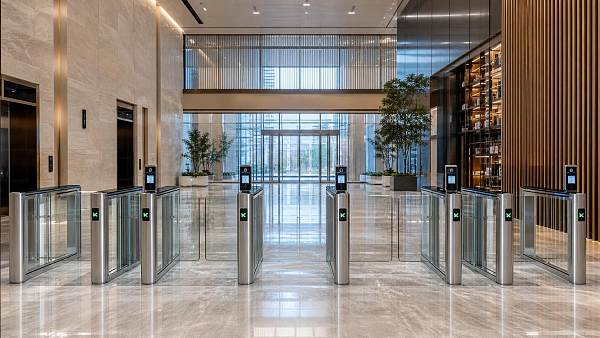
Choosing smart building entry turnstiles is rarely a simple hardware decision.
In office lobbies and mixed-use projects, the entrance sets the pace for security, traffic flow, and daily user experience.
That is why project teams must look beyond cabinet finish, lane width, or opening speed.
A strong selection process connects people movement, anti-tailgating control, code compliance, system integration, and lifecycle cost.
The best smart building entry turnstiles support both security and smooth arrival.
They help premium lobbies feel organized without creating friction at busy hours.
For mixed-use projects, the challenge is even sharper.
Different tenant groups, visitors, delivery staff, and after-hours users often share one entrance system.
This guide breaks down how to evaluate smart building entry turnstiles with practical decision criteria.
Start with the Real Entry Scenario
Before comparing models, define what the entrance must actually handle.
This sounds obvious, but many projects still start with appearance-led shortlists.
A lobby serving one corporate tenant behaves very differently from a tower with retail, offices, and shared amenities.
The correct smart building entry turnstiles depend on traffic mix, risk level, and user behavior patterns.
Key questions should include:
- How many people enter within 5, 15, and 60 minutes during peaks?
- How many lanes are needed for staff, visitors, and accessible passage?
- Will the building use cards, QR codes, mobile credentials, or biometrics?
- How often do deliveries, contractors, and temporary users pass through?
- Does the lobby require higher anti-tailgating performance?
From a recent market view, more developments now need flexible lanes rather than one fixed traffic pattern.
That means smart building entry turnstiles should be chosen as part of an operating model, not just a product line item.
Match Turnstile Type to Lobby Positioning
Not all turnstiles fit the same commercial image or flow requirement.
In most office lobbies, speed gates are the preferred smart building entry turnstiles because they balance appearance and throughput.
Optical lanes and glass barrier systems work well where architectural openness matters.
Tripod turnstiles are usually better for back-of-house or budget-sensitive areas.
Full-height turnstiles fit perimeter control, loading zones, or high-security secondary access points.
For most front-of-house applications, speed gates remain the benchmark for smart building entry turnstiles.
Still, appearance should never outrank lane reliability and sensor performance.
Evaluate Traffic Flow and Lane Capacity Carefully
A lobby may look calm during a demo, then fail badly during the Monday rush.
This is where many smart building entry turnstiles are oversold by nominal opening speed.
Real throughput depends on credential reading time, user hesitation, alarm resets, and lane recovery after exceptions.
A fast motor does not guarantee fast entry.
When sizing a system, review these factors:
- Peak throughput per lane under actual credential workflow
- Visitor processing time at reception
- Accessible lane width for wheelchairs and carts
- Queue spillback into public circulation areas
- Bidirectional flow needs during exits and tenant changes
In mixed-use projects, morning entry and lunchtime return often create different queue patterns.
That is why smart building entry turnstiles should be tested against time-based traffic scenarios, not single average numbers.
Prioritize Anti-Tailgating and Safety Together
Security performance is often judged by how well the lane stops unauthorized passage.
But aggressive control without safe behavior creates another risk.
The better approach is to evaluate smart building entry turnstiles as a balance of detection, deterrence, and user protection.
Look for infrared sensor arrays, anti-tailgating logic, anti-reverse passage rules, and obstacle detection.
Glass barrier height also matters.
Low barriers may look sleek, but they can reduce deterrence in busy public-facing entries.
More importantly, confirm emergency behavior.
Smart building entry turnstiles should support fail-safe or fail-secure modes based on fire strategy, local code, and building risk profile.
This includes fire alarm linkage, power-loss response, and evacuation release logic.
A polished product sheet is not enough here.
Request actual compliance evidence and test records wherever possible.
Check Integration Depth, Not Just Protocol Claims
This is one of the biggest procurement gaps in access control projects.
Many smart building entry turnstiles claim compatibility, but actual integration quality varies widely.
The turnstile should work cleanly with the building access control platform, visitor management, elevator dispatch, and alarm systems.
In higher-end projects, integration may also include biometric readers, destination control, and occupancy analytics.
Ask practical questions during evaluation:
- Is the interface native, middleware-based, or custom-developed?
- Who owns troubleshooting when credential events fail?
- Can alarm and passage events be logged centrally?
- How are firmware updates managed after handover?
- What happens when the network is interrupted?
In real deployments, integration stability usually matters more than feature count.
Smart building entry turnstiles should support a predictable operating environment, especially across multiple tenant systems.
Review Build Quality, Serviceability, and Lifecycle Cost
Front-lobby hardware faces constant daily wear.
Even visually impressive smart building entry turnstiles become a liability if they need frequent resets or hard-to-source parts.
Review the mechanical drive system, cabinet material, sensor protection, and expected maintenance intervals.
Stainless steel quality, barrier edge treatment, and internal cable management also affect long-term reliability.
A practical comparison should include:
- Mean time between failures
- Local spare parts availability
- Remote diagnostics capability
- Cleaning and maintenance access time
- Warranty coverage for motors, controllers, and sensors
From a cost standpoint, the cheapest bid can become the most expensive choice over five years.
Smart building entry turnstiles should be judged on total operating cost, not only procurement price.
Use a Practical Selection Framework
A structured scorecard usually produces better decisions than brand-led discussion.
For office lobbies and mixed-use assets, smart building entry turnstiles can be ranked across six weighted areas.
- Traffic performance under peak conditions
- Anti-tailgating effectiveness and user safety
- Access control and building system integration
- Architectural fit and user experience
- Maintenance support and spare parts readiness
- Total lifecycle cost
This method helps separate showroom appeal from long-term project value.
It also makes supplier conversations more transparent during design, tender, and final approval stages.
Final Decision Points
The right smart building entry turnstiles should do more than move people through a lane.
They should reinforce the building’s security posture, support daily operations, and remain dependable after occupancy begins.
For office lobbies, that usually means fast and elegant access with strong integration.
For mixed-use projects, it often means more flexible control across changing user groups and traffic patterns.
A sound decision process starts with real traffic data, then tests safety, anti-tailgating, interoperability, and maintenance support in detail.
When those factors are reviewed together, smart building entry turnstiles become a strategic infrastructure choice rather than a lobby accessory.
The most reliable outcomes usually come from early coordination between security planning, access control design, architecture, and facility operations.
Have questions about this sector analysis, or seeking best practices specific to your niche? Drop us a line below and let the senior consultants at MHLS assist you.
We respect your privacy. Your information is strictly confidential.
Recommended News
 Financial Facility Security: Choosing Vault Doors for Bank BranchesVault Structural ArchitectStrengthen financial facility security with the right bank vault door. Explore certification, installation, locking controls and maintenance before you buy.
 MACO Acquires Majority Stake in Fingerprint Access Provider ekeyProf. Elara SterlingMACO acquires a majority stake in ekey, bringing fingerprint access and door hardware closer together. Discover what the deal could mean for smart buildings.
 Physical Security System Engineering: From Risk Assessment to System DesignUnmanned Terminal FellowExplore physical security system engineering, from risk assessment to integrated design, procurement and testing. Build a safer, more resilient facility.
 Apple Home Collection Smart Lock and Other Accessories Open for Preorder November 13Biometric Auth ScientistApple Home Collection preorders open November 13, 2026. Explore the LG smart lock’s Matter and Aliro support and what buyers should verify before ordering.
 Choosing Servo-Driven Flap Barriers: Throughput, Safety and Access ControlAccess Control StrategistServo-driven flap barriers can balance throughput, safety and access control. Discover how to compare lanes, test performance and choose with confidence.
 Parcel Locker Network Pricing: Setup Costs, Fees and Contract TermsUnmanned Terminal FellowCompare parcel locker networks pricing, from setup costs and recurring fees to contract terms. Discover hidden charges and choose the right model.
 JR East Plans UWB Walk-Through Gates at 40 Stations in Spring 2028Access Control StrategistJR East plans UWB walk-through gates at 40 stations in spring 2028. Explore the rollout timeline and what suppliers should watch.
 Bank Vault Security Standards: UL and EN Ratings ExplainedVault Structural ArchitectExplore bank vault security standards and learn how UL 608 classes and EN 1143-1 grades differ, what they test, and how to verify certification before you buy.
 Mechanical Lock Hardware Prices: What Buyers Should Budget for Bulk OrdersMr. Gideon CrossMechanical lock hardware price is just the starting point. Discover what drives bulk-order costs and how to compare supplier quotes with confidence.
 IndexBox Forecasts Steady Global Security Keypad Market Growth Through 2035Dr. Valerius ThorneGlobal security keypad market growth is forecast at 3.3% annually through 2035. Explore the smart home and replacement trends shaping demand.
 Choosing an Infrared Safety Sensors Manufacturer: What Buyers Should CheckUnmanned Terminal FellowChoosing an infrared safety sensors manufacturer? Compare safety evidence, integration, environmental performance and lifecycle costs before you buy.
 Choosing a Security Material Testing Service: What to Check for Lock and Safe MaterialsProf. Elara SterlingChoose a security material testing service with confidence. Learn what to check for lock and safe materials, from attack methods and accreditation to reliable reports.











