
Infrared Safety Curtains for Turnstiles: Where They Work Best and Key Setup Points
Where Infrared Safety Curtains Turnstiles Deliver the Most Value
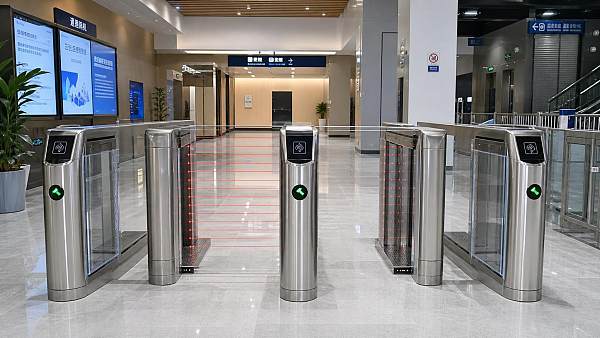
Infrared safety curtains turnstiles work best in places where passage speed, user protection, and access discipline must stay balanced at the same time.
That balance sounds simple, but real sites rarely behave the same way.
An office lobby handles repeated peak periods, a metro gate faces dense surges, and an industrial entrance often mixes people with bags, helmets, or tools.
Because of that, infrared safety curtains turnstiles should never be selected only by lane width or opening speed.
In practical security engineering, the better question is whether the sensing curtain matches movement patterns, risk tolerance, and the surrounding access control logic.
This is also why the topic matters across the wider smart hardware and physical security market.
Turnstiles no longer stand alone.
They increasingly connect with credentials, biometric verification, visitor systems, alarms, and building management platforms, so sensor setup affects both safety and security performance.
Why Similar Entrances Often Need Different Sensor Logic
Two sites can use the same turnstile body yet need very different infrared safety curtains turnstiles settings.
The difference usually comes from how people approach the lane, how closely they follow one another, and how much stop-and-go behavior happens near the barrier.
In a corporate lobby, users often slow down to present a badge or face.
At a transit checkpoint, many users keep walking with almost no pause.
At a logistics or industrial site, the lane may face carts, backpacks, reflective clothing, or shifting daylight.
These conditions change detection timing, anti-tailgating sensitivity, and the acceptable level of nuisance alarms.
A narrow focus on hardware specifications often misses this point.
More reliable planning starts with traffic rhythm, credential behavior, and expected exceptions such as children, visitors, luggage, deliveries, or emergency release events.
Office Lobbies and Commercial Buildings Usually Prioritize Smooth Passage
In office towers and mixed-use properties, infrared safety curtains turnstiles often support a clean user experience as much as a security requirement.
The lane must open fast, detect hesitation, and prevent flap closure when someone slows unexpectedly.
This matters when face recognition, QR credentials, or mobile access create variable verification times.
The best setup here usually favors stable body detection through the full passage depth rather than overly aggressive alarm logic.
If the curtain triggers too easily, normal side-by-side movement near adjacent lanes may create repeated alarms and user frustration.
If it is too loose, tailgating slips through during peak entry periods.
A useful judgment point is whether the site values throughput image, tenant convenience, or strict one-person-per-authorization control more strongly during rush hours.
What Usually Works in Premium Lobby Installations
- Use multi-beam coverage across low, middle, and upper body zones.
- Match sensor timing with credential verification and door flap speed.
- Separate anti-pinch protection from anti-tailgating thresholds where possible.
- Review glass reflections, decorative lighting, and polished floors before calibration.
Transit Hubs and Stadium Entries Need Stronger Anti-Tailgating Discipline
High-volume public entrances place infrared safety curtains turnstiles under very different pressure.
Here, the issue is not only safety during barrier movement.
The bigger issue is whether the system can distinguish legitimate close-follow traffic from actual unauthorized passage attempts.
People move in waves, often with bags, outerwear, and limited attention to lane etiquette.
That makes beam density and response logic more critical than cosmetic integration.
In these sites, infrared safety curtains turnstiles should support quick re-arming after each passage and consistent detection even when the following person enters the sensing field almost immediately.
A common mistake is copying settings from office projects.
The result is either excessive alarms during crowd surges or weak anti-tailgating control during the busiest periods.
Industrial and Restricted Sites Depend on Environmental Stability
Factories, warehouses, utilities, and restricted infrastructure tend to expose turnstiles to more disruptive conditions.
Dust, vibration, outdoor light spill, rain drift, and protective clothing all influence detection quality.
In these settings, infrared safety curtains turnstiles should be judged less by showroom response and more by stability over time.
A person carrying tools may interrupt beams differently from a visitor in regular office clothing.
A hard hat or high-visibility garment may not matter by itself, but combined with awkward movement it can change how the lane reads body position.
This is where field calibration, maintenance access, and contamination resistance become part of security performance, not just service convenience.
Where vehicle gates and pedestrian lanes sit close together, interference from side traffic should also be checked before final placement.
Key Questions Before Finalizing the Layout
- Will users carry boxes, helmets, tools, or bulky clothing daily?
- Does the lane face direct sunlight at certain hours?
- Can cleaning staff access the sensor area without partial disassembly?
- Will emergency egress mode change sensor behavior or barrier timing?
The Setup Points That Matter More Than Datasheets Suggest
Several installation details decide whether infrared safety curtains turnstiles perform well after commissioning.
Sensor height distribution is one of them.
Coverage should detect children, luggage edges, and normal adult movement without creating blind gaps near the flap line.
Lane geometry matters too.
A wider lane may need different beam spacing, especially when the same site includes accessible passages alongside standard speed gates.
Integration logic is equally important.
If facial recognition, card reading, or visitor QR systems release the barrier too early or too late, the curtain may appear inaccurate when the real problem is timing coordination.
In well-planned projects, sensor logic, flap motion, and controller events are tuned together rather than independently.
Where Projects Commonly Misjudge Infrared Safety Curtains Turnstiles
One frequent misjudgment is treating all pedestrian control points as if they share the same user behavior.
They do not.
A visitor-heavy headquarters, a university building, and a financial facility may all use similar cabinets but require different sensitivity and alarm priorities.
Another mistake is focusing only on initial purchase metrics.
Infrared safety curtains turnstiles also create long-term costs through recalibration, cleaning, service access, and operational interruptions from false alarms.
It is also easy to overlook compatibility with broader physical security infrastructure.
Sites that connect turnstiles with smart locks, secure doors, alarms, or building platforms need event logic that remains clear during faults, overrides, and emergency states.
If that coordination is weak, the sensor system may be blamed for failures caused elsewhere.
A Practical Way to Match the System to the Site
A better deployment process starts with observation before specification.
Watch how people approach the lane, how often they pause, what they carry, and where congestion forms.
Then map those findings against safety expectations, anti-tailgating goals, and integration requirements.
- Define whether passage comfort or strict anti-tailgating control has higher priority.
- Check environmental conditions across different times, not one site visit.
- Verify timing between credentials, sensors, alarms, and flap movement.
- Plan maintenance intervals based on dust, traffic intensity, and service accessibility.
- Test edge cases such as luggage, children, delivery items, and emergency release.
In real-world access control, the best result usually comes from treating infrared safety curtains turnstiles as part of a full passage strategy.
That means combining sensor design, mechanical movement, user behavior, and physical security infrastructure into one decision.
Before moving forward, it helps to document the exact scenario, compare likely operating conditions, and confirm which setup limits are acceptable over the full service cycle.
Have questions about this sector analysis, or seeking best practices specific to your niche? Drop us a line below and let the senior consultants at MHLS assist you.
We respect your privacy. Your information is strictly confidential.
Recommended News
 Physical Security System Engineering: From Risk Assessment to System DesignUnmanned Terminal FellowExplore physical security system engineering, from risk assessment to integrated design, procurement and testing. Build a safer, more resilient facility.
 Apple Home Collection Smart Lock and Other Accessories Open for Preorder November 13Biometric Auth ScientistApple Home Collection preorders open November 13, 2026. Explore the LG smart lock’s Matter and Aliro support and what buyers should verify before ordering.
 Choosing Servo-Driven Flap Barriers: Throughput, Safety and Access ControlAccess Control StrategistServo-driven flap barriers can balance throughput, safety and access control. Discover how to compare lanes, test performance and choose with confidence.
 Parcel Locker Network Pricing: Setup Costs, Fees and Contract TermsUnmanned Terminal FellowCompare parcel locker networks pricing, from setup costs and recurring fees to contract terms. Discover hidden charges and choose the right model.
 JR East Plans UWB Walk-Through Gates at 40 Stations in Spring 2028Access Control StrategistJR East plans UWB walk-through gates at 40 stations in spring 2028. Explore the rollout timeline and what suppliers should watch.
 Bank Vault Security Standards: UL and EN Ratings ExplainedVault Structural ArchitectExplore bank vault security standards and learn how UL 608 classes and EN 1143-1 grades differ, what they test, and how to verify certification before you buy.
 Mechanical Lock Hardware Prices: What Buyers Should Budget for Bulk OrdersMr. Gideon CrossMechanical lock hardware price is just the starting point. Discover what drives bulk-order costs and how to compare supplier quotes with confidence.
 IndexBox Forecasts Steady Global Security Keypad Market Growth Through 2035Dr. Valerius ThorneGlobal security keypad market growth is forecast at 3.3% annually through 2035. Explore the smart home and replacement trends shaping demand.
 Choosing an Infrared Safety Sensors Manufacturer: What Buyers Should CheckUnmanned Terminal FellowChoosing an infrared safety sensors manufacturer? Compare safety evidence, integration, environmental performance and lifecycle costs before you buy.
 Choosing a Security Material Testing Service: What to Check for Lock and Safe MaterialsProf. Elara SterlingChoose a security material testing service with confidence. Learn what to check for lock and safe materials, from attack methods and accreditation to reliable reports.
 How Precision Anti-Pick Lock Cylinders Resist ManipulationSecurity Metallurgy ExpertDiscover how precision anti-pick lock technology resists manipulation, and learn what to check when comparing security features, test evidence, and everyday reliability.
 Dermalog Joins NIST FastCAP Program for Contactless Fingerprint TestingProf. Elara SterlingDermalog joins the NIST FastCAP program for contactless fingerprint testing. Discover what this means for biometric identification and digital identity.











