Saudi SASO Sets NaID Rule for Biometric Access Devices
On June 25, 2026, the Saudi Standards, Metrology and Quality Organization (SASO) issued Circular No. SASO/SEC/2026/089, signaling a near-term compliance shift for biometric access control products used in government, financial, and commercial building projects. The requirement matters not only to device makers, but also to channel partners, project bidders, procurement teams, and local service providers, because product eligibility will now depend on integration with the national digital identity platform, NaID, and on interoperability approval within a defined deadline.

What the circular requires from September 2026
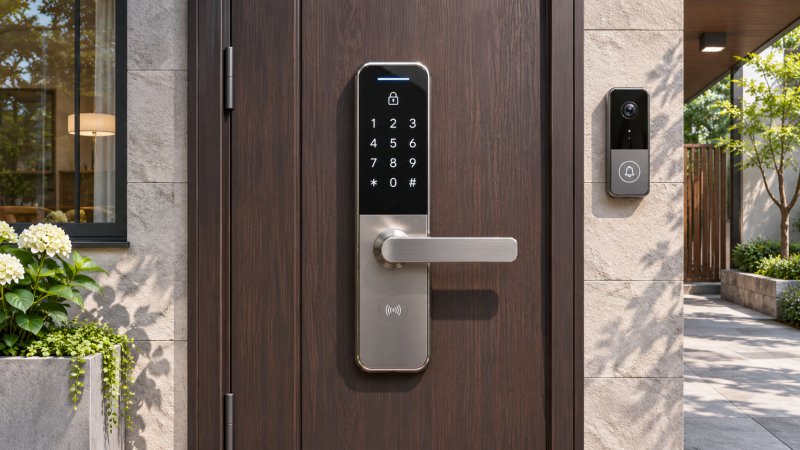
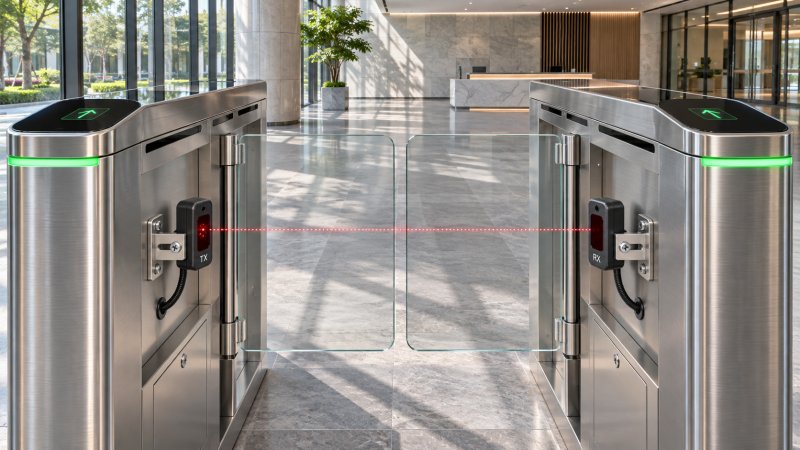
According to the information provided, SASO announced on June 25, 2026 that Facial Recognition Turnstiles, Finger Vein Locks, and 3D Facial Smart Locks deployed for government, financial, and commercial buildings must complete NaID API integration and pass interoperability certification from September 1, 2026.
The confirmed scope covers these three biometric access device categories and applies to deployments in the specified building and institutional scenarios. The notice cited is Circular No. SASO/SEC/2026/089.
The same information also indicates that this requirement is expected to reshape channel selection logic in the Middle East market, and that Chinese suppliers will need to provide an SDK compatibility declaration and localized certification support capability. Without these, they may lose eligibility to participate in tenders.
Where the pressure will appear first in the supply chain
Bid qualification becomes the immediate checkpoint
From an industry perspective, the first impact is likely to be felt in tendering and pre-qualification. For suppliers and trading companies targeting Saudi government, finance, and commercial building projects, product performance alone is no longer the only issue. Eligibility now appears tied to whether the device can connect to NaID and whether interoperability requirements can be met within the required timeframe.
Channel partners will adjust product selection criteria
Analysis shows that distributors and project channel partners may need to re-rank their supplier lists based on compliance readiness rather than only price, hardware features, or delivery convenience. The information provided explicitly points to a change in channel selection logic in the Middle East, which means product lines lacking integration documentation or local certification support may face a weaker position in project discussions.
Manufacturers face a documentation and support burden
For manufacturing companies, the impact is not limited to software adaptation. What deserves closer attention is the combined requirement around NaID API integration, interoperability certification, SDK compatibility declarations, and localized certification support capability. In practice, this shifts part of the competitive threshold from hardware supply to technical documentation and compliance support.
Project owners and procurement teams may tighten screening
For end users and procurement-side teams in covered sectors, the new rule may affect vendor screening, delivery planning, and contract review. Observably, buyers will have stronger reason to ask whether shortlisted devices are already prepared for NaID connection and whether suppliers can support local compliance procedures without delaying project rollout.
What companies should track right now
Watch for any further official clarification
Analysis shows that businesses should distinguish between the confirmed requirement already announced and any later operational clarification that may follow. The current information confirms the deadline, the covered device categories, and the need for integration and interoperability certification, but companies should continue tracking whether SASO or related official channels issue more detailed implementation language.
Review product scope against actual project exposure
Companies should first check whether their Saudi or wider Middle East business involves Facial Recognition Turnstiles, Finger Vein Locks, or 3D Facial Smart Locks used in government, financial, or commercial building settings. This matters because the rule is not described as applying to all security devices, but to specific biometric access categories and deployment contexts.
Prepare compliance materials before tender stages
What deserves closer attention is the timing of documentation readiness. The provided information indicates that Chinese suppliers need SDK compatibility declarations and localized certification support capability to remain eligible for bidding. That makes document preparation, customer communication, and internal technical coordination a front-end task rather than something left until delivery.
Align local support with delivery commitments
Observably, suppliers and service partners should also compare sales commitments with actual local support capacity. If a company can offer devices but cannot back them with localization and certification support, the commercial risk may emerge before shipment, at the qualification or evaluation stage.
Why this reads as more than a routine compliance notice
Analysis shows that the announcement should not be read only as a product-level technical adjustment. It points to a procurement and market-access signal: biometric access control devices for covered Saudi use cases are being tied more closely to a national digital identity framework. That changes the practical meaning of compliance from meeting isolated device specifications to proving platform connectivity and interoperability.
At the same time, it is more appropriate to understand this as an actionable regulatory signal rather than a fully settled market outcome. The confirmed facts establish a deadline and a compliance direction, but the actual market effect will still depend on how quickly suppliers, channels, and project stakeholders adapt their qualification and purchasing processes.
How this update is best understood now
At this stage, the development is best understood as a near-term compliance change with broader strategic implications for market entry and bidding in Saudi biometric access projects. The immediate issue is clear: covered products need NaID API integration and interoperability certification by September 1, 2026. The broader industry meaning, based on analysis, is that technical compatibility, certification readiness, and local support capability are becoming more central in supplier evaluation for this segment.
For companies already active in the relevant categories, the practical value of this update lies less in headline impact and more in early preparation. The rule does not confirm every downstream consequence, but it clearly raises the threshold for remaining commercially eligible in the covered scenarios.
Basis of this article and points for continued verification
This article is generated based on the user-provided news title, event date, and event summary. The core information used here includes the June 25, 2026 timing, SASO Circular No. SASO/SEC/2026/089, the specified device categories, the September 1, 2026 compliance deadline, the NaID API integration requirement, the interoperability certification requirement, and the note regarding SDK compatibility declarations and localized certification support for Chinese suppliers.
For this type of industry update, relevant source types typically include official notices, standardization body documents, company statements, industry association releases, and reporting by authoritative media. A specific official source link was not provided in the input, so the exact source document path still needs continued verification. Follow-up attention should remain on any later official clarification related to implementation wording, certification procedures, and practical tendering requirements.
Have questions about this sector analysis, or seeking best practices specific to your niche? Drop us a line below and let the senior consultants at MHLS assist you.
We respect your privacy. Your information is strictly confidential.
Recommended News
 Parcel Locker Network Pricing: Setup Costs, Fees and Contract TermsUnmanned Terminal FellowCompare parcel locker networks pricing, from setup costs and recurring fees to contract terms. Discover hidden charges and choose the right model.
 JR East Plans UWB Walk-Through Gates at 40 Stations in Spring 2028Access Control StrategistJR East plans UWB walk-through gates at 40 stations in spring 2028. Explore the rollout timeline and what suppliers should watch.
 Bank Vault Security Standards: UL and EN Ratings ExplainedVault Structural ArchitectExplore bank vault security standards and learn how UL 608 classes and EN 1143-1 grades differ, what they test, and how to verify certification before you buy.
 Mechanical Lock Hardware Prices: What Buyers Should Budget for Bulk OrdersMr. Gideon CrossMechanical lock hardware price is just the starting point. Discover what drives bulk-order costs and how to compare supplier quotes with confidence.
 IndexBox Forecasts Steady Global Security Keypad Market Growth Through 2035Dr. Valerius ThorneGlobal security keypad market growth is forecast at 3.3% annually through 2035. Explore the smart home and replacement trends shaping demand.
 Choosing an Infrared Safety Sensors Manufacturer: What Buyers Should CheckUnmanned Terminal FellowChoosing an infrared safety sensors manufacturer? Compare safety evidence, integration, environmental performance and lifecycle costs before you buy.
 Choosing a Security Material Testing Service: What to Check for Lock and Safe MaterialsProf. Elara SterlingChoose a security material testing service with confidence. Learn what to check for lock and safe materials, from attack methods and accreditation to reliable reports.
 How Precision Anti-Pick Lock Cylinders Resist ManipulationSecurity Metallurgy ExpertDiscover how precision anti-pick lock technology resists manipulation, and learn what to check when comparing security features, test evidence, and everyday reliability.
 Dermalog Joins NIST FastCAP Program for Contactless Fingerprint TestingProf. Elara SterlingDermalog joins the NIST FastCAP program for contactless fingerprint testing. Discover what this means for biometric identification and digital identity.
 Choosing Security Export Compliance Services: What Providers Should CoverMr. Gideon CrossSecurity export compliance services can help prevent costly delays. Discover what to look for in classification, licensing, screening, and documentation.
 European Security Compliance Standards for Safes: EN 1143-1 vs EN 14450Dr. Valerius ThorneExplore security compliance standards Europe buyers need to know. Compare EN 1143-1 and EN 14450 to choose the right safe with confidence.
 HID Global Acquires inepro ID to Expand RFID and BLE Access SolutionsUnmanned Terminal FellowHID Global acquires inepro ID to expand RFID and BLE access solutions for printers, smart lockers and shared devices. Explore what the deal could mean for your organization.