
Secure Entry Systems for Offices: Turnstiles, Smart Locks, and Door Controls
For modern offices, secure entry systems are no longer just barriers at the door—they are strategic tools for protecting people, assets, data, and operational continuity.
From high-speed turnstiles and biometric smart locks to intelligent door controls, the right access architecture reduces tailgating, streamlines flow, and strengthens compliance.
As workplace risks evolve, secure entry systems help organizations create safer, smarter, and more efficient office environments without sacrificing everyday convenience.
What Are Secure Entry Systems for Offices?
Secure entry systems combine hardware, credentials, sensors, software, and policies to control who enters an office space, when, and under what conditions.
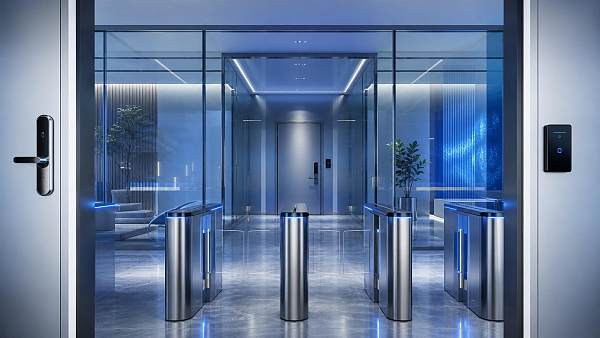
They may include speed gates, full-height turnstiles, smart locks, access readers, door controllers, exit buttons, alarms, and visitor management platforms.
A strong design does not rely on one device. It layers identity verification, physical resistance, event logging, and emergency response.
For offices, secure entry systems must balance protection and movement. Employees need smooth access, while unauthorized visitors must be detected quickly.
How do the core components work together?
Turnstiles manage human flow in lobbies. Smart locks protect private rooms, server areas, storage rooms, and executive offices.
Door controls connect readers, locks, sensors, and software. They decide whether a credential should trigger access or rejection.
When integrated, secure entry systems create a traceable path from reception to restricted zones, reducing blind spots across the office.
- Turnstiles prevent casual entry and tailgating in public-facing areas.
- Smart locks secure individual rooms without heavy mechanical key management.
- Door controllers enforce access rules and record every valid or failed attempt.
- Management software supports auditing, schedules, temporary access, and alerts.
Why Do Offices Need Secure Entry Systems Now?
Office security has changed because workplaces are more flexible, more digital, and more dependent on shared infrastructure.
Hybrid work means people enter at different times. Contractors, visitors, couriers, and temporary teams increase identity complexity.
Secure entry systems help offices handle this complexity with rules that adapt by role, time, location, and risk level.
They also support compliance by keeping logs for access events, incident reviews, safety investigations, and sensitive area audits.
What risks do they reduce?
The most obvious risk is unauthorized entry. Yet office access risk often begins with small failures in daily routines.
A friendly door hold, shared badge, lost key, or unlocked meeting room can expose assets and confidential information.
Secure entry systems make these behaviors visible and harder to exploit, especially when combined with clear access policies.
- Tailgating behind employees at reception gates.
- Unauthorized access to IT rooms or finance offices.
- Key duplication, key loss, and poor mechanical key tracking.
- After-hours entry without approval or proper records.
- Visitor movement beyond approved areas.
Turnstiles, Smart Locks, or Door Controls: Which Option Fits Best?
The best office design rarely chooses only one option. Secure entry systems work best when each device protects the right security layer.
Turnstiles are ideal at main entrances because they physically regulate one-person entry after credential verification.
Smart locks are useful where wiring is difficult or where flexible room-level control is required.
Door controls fit doors that require centralized monitoring, stronger integration, emergency release, and detailed rule enforcement.
How should offices compare the options?
Start with the purpose of each doorway. A lobby, server room, pantry, and executive office have different movement and risk patterns.
Secure entry systems should match security level, traffic volume, installation environment, and the need for audit evidence.
How Should Secure Entry Systems Handle Identity Verification?
Identity is the heart of access control. A strong door is weak if the wrong person can present the right credential.
Secure entry systems commonly use cards, mobile credentials, PINs, facial recognition, fingerprint readers, vein recognition, or multi-factor authentication.
The correct choice depends on risk level, privacy expectations, budget, user convenience, and local regulatory requirements.
Are biometrics always the best choice?
Biometrics can improve convenience and reduce credential sharing. They are especially helpful for high-security zones with strict identity assurance.
However, biometric access requires careful privacy governance, data protection, consent handling, and fallback methods for exceptions.
Advanced liveness detection matters. Modern secure entry systems should resist spoofing attempts, including photos, masks, or copied fingerprints.
When is multi-factor access useful?
Multi-factor access is useful where failure consequences are high, such as data rooms, research areas, finance archives, or executive suites.
For example, a card plus face recognition can strengthen identity without slowing most authorized users.
Secure entry systems should allow risk-based rules, not force the same authentication level for every office door.
What Mistakes Should Be Avoided During Selection?
A common mistake is buying devices before mapping the office access journey. Hardware cannot fix unclear rules.
Another mistake is treating secure entry systems as standalone products rather than part of a broader physical security architecture.
Selection should consider doors, walls, glass partitions, reception layout, emergency exits, network reliability, and operational habits.
Which technical details deserve attention?
Mechanical strength still matters. A smart reader cannot compensate for weak locks, poor frames, or easily forced doors.
Anti-tailgating sensors, infrared light curtains, alarm logic, and door position monitoring are also critical in busy office entrances.
For smart locks, evaluate battery life, emergency power, encryption, offline access behavior, and mechanical override quality.
- Avoid systems that cannot export useful event logs.
- Avoid credentials that are easy to clone or share.
- Avoid installations that block safe evacuation routes.
- Avoid ignoring visitor, delivery, and contractor workflows.
- Avoid choosing low-cost hardware without lifecycle support.
How Much Planning Is Needed Before Implementation?
Successful secure entry systems begin with a site survey, risk assessment, and access matrix for each office zone.
The access matrix should define who can enter, when access is allowed, and which credential method is required.
Implementation planning should also include cabling routes, fire safety integration, network segmentation, power backup, and administrator permissions.
What is a practical rollout path?
Begin with high-risk and high-traffic areas. Lobbies, server rooms, and finance areas usually produce the fastest security improvement.
Then expand secure entry systems to meeting floors, archives, labs, parking connections, and shared amenities.
Pilot testing helps reveal user friction, false rejections, congestion points, and policy gaps before full deployment.
- Map entrances, exits, restricted rooms, and visitor routes.
- Rank each area by risk, traffic, and compliance importance.
- Select turnstiles, smart locks, and door controls by zone.
- Test credentials, alarms, emergency release, and reporting.
- Train users and review access logs after launch.
FAQ: Office Secure Entry Systems Decision Guide
The following table summarizes frequent questions about secure entry systems and practical answers for office environments.
How Can Offices Build a Smarter Access Strategy?
A smart access strategy starts with understanding that security, convenience, and evidence must work together.
Secure entry systems should reduce friction for authorized people while making unauthorized movement difficult, visible, and actionable.
The most reliable designs combine physical barriers, intelligent credentials, strong locks, and centralized monitoring.
They also leave room for future upgrades, including mobile access, advanced biometrics, AI-assisted anomaly detection, and integrated visitor workflows.
Before purchasing, document office zones, risk priorities, daily traffic, emergency requirements, and audit expectations.
Then compare secure entry systems by lifecycle value, not only device price, appearance, or installation speed.
With careful planning, offices can create secure entry systems that protect people, preserve privacy, and support efficient operations every day.
The next step is a structured access review: map doors, define permissions, identify weak points, and choose technologies that fit each zone.
Have questions about this sector analysis, or seeking best practices specific to your niche? Drop us a line below and let the senior consultants at MHLS assist you.
We respect your privacy. Your information is strictly confidential.
Recommended News
 Parcel Locker Network Pricing: Setup Costs, Fees and Contract TermsUnmanned Terminal FellowCompare parcel locker networks pricing, from setup costs and recurring fees to contract terms. Discover hidden charges and choose the right model.
 JR East Plans UWB Walk-Through Gates at 40 Stations in Spring 2028Access Control StrategistJR East plans UWB walk-through gates at 40 stations in spring 2028. Explore the rollout timeline and what suppliers should watch.
 Bank Vault Security Standards: UL and EN Ratings ExplainedVault Structural ArchitectExplore bank vault security standards and learn how UL 608 classes and EN 1143-1 grades differ, what they test, and how to verify certification before you buy.
 Mechanical Lock Hardware Prices: What Buyers Should Budget for Bulk OrdersMr. Gideon CrossMechanical lock hardware price is just the starting point. Discover what drives bulk-order costs and how to compare supplier quotes with confidence.
 IndexBox Forecasts Steady Global Security Keypad Market Growth Through 2035Dr. Valerius ThorneGlobal security keypad market growth is forecast at 3.3% annually through 2035. Explore the smart home and replacement trends shaping demand.
 Choosing an Infrared Safety Sensors Manufacturer: What Buyers Should CheckUnmanned Terminal FellowChoosing an infrared safety sensors manufacturer? Compare safety evidence, integration, environmental performance and lifecycle costs before you buy.
 Choosing a Security Material Testing Service: What to Check for Lock and Safe MaterialsProf. Elara SterlingChoose a security material testing service with confidence. Learn what to check for lock and safe materials, from attack methods and accreditation to reliable reports.
 How Precision Anti-Pick Lock Cylinders Resist ManipulationSecurity Metallurgy ExpertDiscover how precision anti-pick lock technology resists manipulation, and learn what to check when comparing security features, test evidence, and everyday reliability.
 Dermalog Joins NIST FastCAP Program for Contactless Fingerprint TestingProf. Elara SterlingDermalog joins the NIST FastCAP program for contactless fingerprint testing. Discover what this means for biometric identification and digital identity.
 Choosing Security Export Compliance Services: What Providers Should CoverMr. Gideon CrossSecurity export compliance services can help prevent costly delays. Discover what to look for in classification, licensing, screening, and documentation.
 European Security Compliance Standards for Safes: EN 1143-1 vs EN 14450Dr. Valerius ThorneExplore security compliance standards Europe buyers need to know. Compare EN 1143-1 and EN 14450 to choose the right safe with confidence.
 HID Global Acquires inepro ID to Expand RFID and BLE Access SolutionsUnmanned Terminal FellowHID Global acquires inepro ID to expand RFID and BLE access solutions for printers, smart lockers and shared devices. Explore what the deal could mean for your organization.











