
EN 1143-1 Explained: How to Evaluate Bank Vault Technology for High-Security Projects
Bank vault decisions are rarely about appearance or door thickness alone. In high-security projects, bank vault technology EN 1143-1 matters because it provides a tested framework for judging burglary resistance, structural credibility, and the real value behind a certification claim.
That makes the standard relevant far beyond traditional banking. Cash centers, luxury retail, bullion storage, secure archives, and sensitive facilities all need a clearer way to compare vault rooms, vault doors, and integrated locking systems.
Within the broader SHPS landscape, this topic sits at the intersection of barrier materials, lock engineering, compliance testing, and site deployment. A sound evaluation starts by understanding what EN 1143-1 really measures, and what it does not.
What EN 1143-1 actually tells you about vault performance
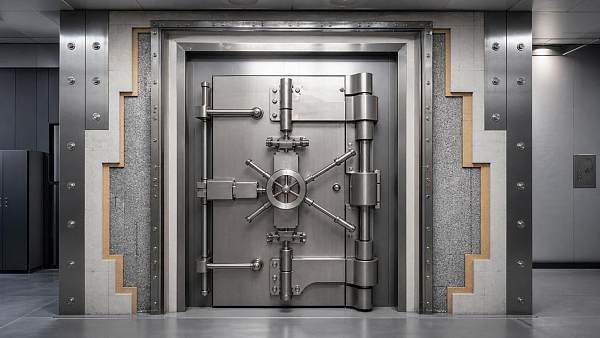
At its core, EN 1143-1 is a European burglary resistance standard for safes, ATM safes, strongroom doors, and strongrooms. It focuses on resistance against forced entry using defined tools, attack methods, and test procedures.
This is why bank vault technology EN 1143-1 should never be reduced to a brochure phrase. The certification reflects controlled attack testing, measured resistance values, and a grading system tied to burglary resistance units.
In practical terms, the standard helps separate cosmetic heaviness from engineered protection. A vault may look massive, yet still perform poorly if its barrier composition, relocking strategy, or frame integration is weak.
It is also important to remember scope. EN 1143-1 addresses burglary resistance, not every security concern. Fire performance, blast resistance, environmental durability, and digital access integration usually require separate review.
Why the market pays closer attention to this standard
Security buyers and project teams are under pressure to justify specifications with something stronger than supplier language. Insurance scrutiny, cross-border procurement, and higher asset concentration all increase the need for comparable technical evidence.
That is one reason bank vault technology EN 1143-1 has become a reference point in global discussions. It gives insurers, consultants, and facility stakeholders a common technical language for risk assessment.
The standard also aligns with a wider shift in the physical security sector. Evaluation now combines metallurgy, mechanical locking structures, certification readiness, and deployment realism rather than relying on nominal steel thickness.
For platforms such as SHPS, this matters because vault systems do not exist in isolation. They connect with protective doors, high-security lock bodies, access control logic, alarm interfaces, and the broader physical security infrastructure of a site.
How to read the construction behind the certificate
A vault grade is only the starting point. Meaningful evaluation requires looking at how the protection is built, where the weak points may appear, and whether the tested design matches the offered design.
Barrier material strategy
Many advanced vault systems use composite structures rather than simple plate steel. These may include high-strength concrete mixes, corundum-based anti-drill layers, alloy reinforcement, and embedded elements that disrupt cutting progression.
The question is not whether the material sounds advanced. The question is whether the material arrangement slows common attack paths such as drilling, core extraction, disc cutting, or localized breaching near boltwork zones.
Door, frame, and wall continuity
Strongroom resistance depends on continuity. If the door leaf is certified at a high grade but the frame anchoring, wall interface, or installation method is weaker, the project may inherit a practical bypass route.
This is a common misunderstanding in bank vault technology EN 1143-1 reviews. A compliant component does not automatically guarantee a compliant assembled environment.
Boltwork and relocking logic
Mechanical complexity still matters. Look for bolt coverage, active and passive relockers, glass relocker arrangements where applicable, and how the system reacts when attack tools target locks or spindle areas.
A well-designed vault resists not only penetration, but also manipulation of the opening mechanism after localized damage.
Key evaluation questions in real projects
The most useful reviews move from certificate checking to project fit. Different assets, operating models, and building constraints can change what “suitable” means even when the same EN grade is involved.
This project-based reading is especially relevant when comparing imported systems, modular vault rooms, and custom-built strongrooms. Not every vendor package presents the same level of traceability between tested sample and delivered installation.
Where bank vault technology EN 1143-1 creates business value
The value of bank vault technology EN 1143-1 is not limited to compliance. It improves specification discipline, supports insurance conversations, and reduces the chance of underestimating the protection level required for concentrated assets.
In financial facilities, the standard helps compare vault rooms for cash holding, safe deposit areas, and secure transaction back offices. In luxury retail, it supports after-hours protection for high-value watches, jewelry, and branded goods.
It also has relevance in mixed-use developments, data-sensitive archives, and logistics environments where physical assets need layered protection. Here, vault technology becomes one part of a wider SHPS approach that includes controlled entry, monitored doors, and secure user authorization.
More importantly, a well-evaluated vault system can reduce expensive redesign later. Discovering installation conflicts, weak interfaces, or lock architecture gaps after procurement often costs more than careful front-end review.
Common mistakes when comparing certified vault systems
Several comparison errors appear repeatedly in security projects. They usually come from treating the certificate as the entire answer rather than one layer of technical evidence.
- Assuming higher mass always means higher resistance.
- Ignoring whether the tested configuration matches lock options and dimensions offered.
- Reviewing the door grade without checking the wall, frame, and anchoring method.
- Focusing on material names while overlooking boltwork protection and relocking behavior.
- Treating burglary resistance as a substitute for fire, blast, or operational resilience review.
A balanced reading of bank vault technology EN 1143-1 avoids these shortcuts. It combines the grade with engineering details, installation documentation, and the threat profile of the intended site.
A practical path for the next evaluation step
A useful next step is to build a comparison sheet before vendor selection moves too far. Include EN 1143-1 grade, barrier composition, lock arrangement, relocker count, wall integration method, and any dependencies on site construction.
It also helps to review supporting evidence beyond the certificate itself. Test reports, technical drawings, installation instructions, and maintenance provisions often reveal whether a system is mature enough for demanding applications.
Where multiple security layers are involved, compare the vault in context rather than alone. The final protection level depends on how the strongroom works with access control, surveillance, procedural control, and response planning.
That is where ongoing industry intelligence becomes useful. Tracking developments in composite anti-drill materials, lock technology, and compliance interpretation can sharpen future decisions and make bank vault technology EN 1143-1 a more practical tool, not just a specification line.
Have questions about this sector analysis, or seeking best practices specific to your niche? Drop us a line below and let the senior consultants at MHLS assist you.
We respect your privacy. Your information is strictly confidential.
Recommended News
 Parcel Locker Network Pricing: Setup Costs, Fees and Contract TermsUnmanned Terminal FellowCompare parcel locker networks pricing, from setup costs and recurring fees to contract terms. Discover hidden charges and choose the right model.
 JR East Plans UWB Walk-Through Gates at 40 Stations in Spring 2028Access Control StrategistJR East plans UWB walk-through gates at 40 stations in spring 2028. Explore the rollout timeline and what suppliers should watch.
 Bank Vault Security Standards: UL and EN Ratings ExplainedVault Structural ArchitectExplore bank vault security standards and learn how UL 608 classes and EN 1143-1 grades differ, what they test, and how to verify certification before you buy.
 Mechanical Lock Hardware Prices: What Buyers Should Budget for Bulk OrdersMr. Gideon CrossMechanical lock hardware price is just the starting point. Discover what drives bulk-order costs and how to compare supplier quotes with confidence.
 IndexBox Forecasts Steady Global Security Keypad Market Growth Through 2035Dr. Valerius ThorneGlobal security keypad market growth is forecast at 3.3% annually through 2035. Explore the smart home and replacement trends shaping demand.
 Choosing an Infrared Safety Sensors Manufacturer: What Buyers Should CheckUnmanned Terminal FellowChoosing an infrared safety sensors manufacturer? Compare safety evidence, integration, environmental performance and lifecycle costs before you buy.
 Choosing a Security Material Testing Service: What to Check for Lock and Safe MaterialsProf. Elara SterlingChoose a security material testing service with confidence. Learn what to check for lock and safe materials, from attack methods and accreditation to reliable reports.
 How Precision Anti-Pick Lock Cylinders Resist ManipulationSecurity Metallurgy ExpertDiscover how precision anti-pick lock technology resists manipulation, and learn what to check when comparing security features, test evidence, and everyday reliability.
 Dermalog Joins NIST FastCAP Program for Contactless Fingerprint TestingProf. Elara SterlingDermalog joins the NIST FastCAP program for contactless fingerprint testing. Discover what this means for biometric identification and digital identity.
 Choosing Security Export Compliance Services: What Providers Should CoverMr. Gideon CrossSecurity export compliance services can help prevent costly delays. Discover what to look for in classification, licensing, screening, and documentation.
 European Security Compliance Standards for Safes: EN 1143-1 vs EN 14450Dr. Valerius ThorneExplore security compliance standards Europe buyers need to know. Compare EN 1143-1 and EN 14450 to choose the right safe with confidence.
 HID Global Acquires inepro ID to Expand RFID and BLE Access SolutionsUnmanned Terminal FellowHID Global acquires inepro ID to expand RFID and BLE access solutions for printers, smart lockers and shared devices. Explore what the deal could mean for your organization.











