
Vault Doors for Jewelry Stores: Key Security Ratings, Sizes, and Installation Points
Vault Doors for Jewelry Stores: What Really Matters Before You Buy
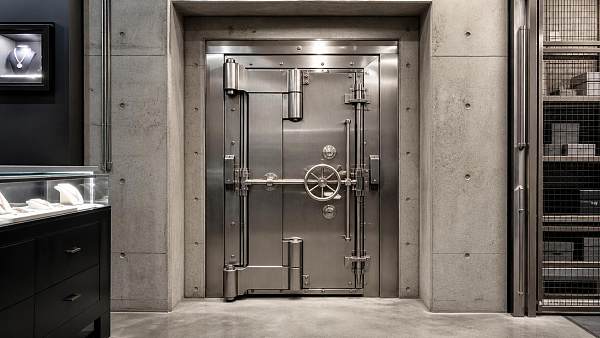
Choosing vault doors for jewelry stores is not only about buying thicker steel. It is about balancing burglary resistance, insurance expectations, space planning, and daily operations.
A door that looks impressive on paper can still become a weak investment if the rating is mismatched, the opening size is wrong, or installation conditions are overlooked.
That is why selection should start with risk profile, inventory value, and store layout. The right vault doors for jewelry stores support security, workflow, and long-term compliance at the same time.
This guide focuses on ratings, sizes, structural fit, and installation points that influence real purchasing decisions.
Start with Security Ratings, Not Appearance
For most buyers, the first filter should be certified performance. Decorative finish, handle design, and lock interface matter less than tested resistance against real attack methods.
Common evaluation references include UL testing and EN 1143-1 burglary resistance. These standards help compare vault doors for jewelry stores on a more objective basis.
In practical terms, decision-makers should ask what tools, attack duration, and penetration methods the certification covers. A stated rating without context has limited value.
Jewelry stores usually face concentrated value in a compact space. That raises exposure to drilling, cutting, prying, torch attack, and lock manipulation.
Because of that, better vault doors for jewelry stores often include composite barriers, hard plate protection, relocking systems, reinforced boltwork, and attack-resistant lock zones.
- Ask for third-party certification reports, not only brochures.
- Confirm the exact rating applies to the complete door assembly.
- Check whether the lock type is included in the certified configuration.
- Match the rating to inventory value and insurer expectations.
Understand Which Door Size Fits the Business Model
Size selection is often underestimated. Oversized vault doors for jewelry stores can complicate installation, while undersized doors create daily friction for staff and inventory movement.
The right size depends on how the vault is used. A back-room cash and tray storage area needs different access dimensions than a walk-in high-value stock room.
Think beyond clear opening width. Door leaf thickness, frame depth, swing direction, hardware projection, and internal maneuvering space all affect usability.
This becomes more important when stores use rolling carts, sealed inventory cases, or dual-person handling procedures. A narrow entry can slow opening and closing routines every day.
When comparing vault doors for jewelry stores, request both overall dimensions and net clear opening. Those two numbers are not the same, and the difference can affect final layout decisions.
Check Structural Compatibility Before Quotation Approval
A strong vault door still depends on the surrounding structure. If the wall, floor, or anchoring area is weak, the door system cannot deliver its full protective value.
This is one of the most common decision mistakes. Buyers compare vault doors for jewelry stores without confirming whether the existing site can support the selected assembly.
Site review should cover wall construction, slab thickness, reinforcement details, doorway alignment, load path, and any restrictions caused by nearby partitions or service routes.
Older retail buildings deserve extra caution. Renovated spaces may hide structural inconsistencies that complicate delivery, frame placement, or secure anchoring.
It is also worth checking whether the vault room design matches the door grade. A high-grade door paired with underperforming walls creates an obvious attack imbalance.
- Review structural drawings before final order release.
- Confirm floor loading capacity for transport and installation.
- Check frame embedment or anchor method in detail.
- Align wall resistance with the chosen door rating.
Evaluate Locking Systems as Part of the Whole Door
Lock choice shapes both security and daily control. For vault doors for jewelry stores, the lock system should match access policy, audit needs, and opening frequency.
Mechanical combination locks remain relevant for reliability. Electronic locks add faster code management, timed access windows, and audit trail functions that support tighter internal control.
Some stores also consider dual custody, delayed opening, or manager-plus-staff authorization. These features can reduce insider risk and make procedures more defensible during claims review.
Biometric options may be useful in selected environments, but they should be reviewed carefully for redundancy, fail-safe behavior, and service support.
The key point is simple. Do not assess the lock in isolation. On vault doors for jewelry stores, the lock, relocker, boltwork, and emergency procedures should be evaluated together.
Ask suppliers how lock maintenance, battery replacement, override procedures, and access changes are handled after installation. Operational clarity matters as much as technical features.
Installation Quality Can Raise or Undermine Performance
Even excellent vault doors for jewelry stores can underperform when installation control is weak. Security hardware of this level should never be treated like a standard door replacement.
Installation planning should cover access path surveys, lifting equipment, staging area, frame alignment, grouting or anchoring sequence, and post-install function testing.
More importantly, the store should plan for business continuity. Delivery windows, interior protection, staff movement, and temporary security arrangements need coordination in advance.
From a risk standpoint, installation day can be sensitive. Site exposure increases when old systems are removed and the final door is not yet fully commissioned.
That is why experienced installers, documented checklists, and acceptance testing should be part of the procurement package, not optional extras.
- Require a pre-install site survey.
- Confirm the installer is qualified for rated vault systems.
- Test lock, bolts, hinges, seals, and relock functions at handover.
- Record serial numbers, settings process, and maintenance contacts.
Compare Total Value, Not Only Purchase Price
Price comparison is necessary, but it should be structured around total cost and risk reduction. Lower upfront cost can become expensive if rework, service gaps, or insurance issues appear later.
When reviewing vault doors for jewelry stores, include certification level, material construction, lock package, delivery scope, installation responsibility, and after-sales response time.
It also helps to compare documentation quality. Suppliers that provide clear drawings, testing records, maintenance guidance, and project references usually reduce deployment uncertainty.
For multi-site retailers, standardization brings extra value. Consistent vault doors for jewelry stores can simplify training, spare parts planning, service contracts, and insurer communication.
A practical supplier comparison often includes these points:
- Certified rating and test evidence.
- Available door sizes and customization limits.
- Lock options and access control features.
- Installation method and project support.
- Warranty, service network, and replacement part availability.
A Smarter Buying Checklist for Vault Doors for Jewelry Stores
The best purchasing outcomes usually come from a disciplined shortlist process. That means security goals, building conditions, and operational needs are reviewed together, not separately.
Before approving vault doors for jewelry stores, confirm the following questions are answered clearly.
- What inventory value and attack risk is the door designed to address?
- Which certified rating best fits the site and insurer requirements?
- Does the selected size support real movement inside the vault area?
- Can the existing structure support the frame and anchoring design?
- Will the lock setup support accountability and opening procedures?
- Who is responsible for installation, testing, training, and service?
In the end, strong vault doors for jewelry stores are not chosen by brochure language. They are chosen through evidence, fit, and execution.
A careful decision now can improve protection, reduce claim friction, and support a more resilient retail security strategy for years ahead.
Have questions about this sector analysis, or seeking best practices specific to your niche? Drop us a line below and let the senior consultants at MHLS assist you.
We respect your privacy. Your information is strictly confidential.
Recommended News
 Physical Security System Engineering: From Risk Assessment to System DesignUnmanned Terminal FellowExplore physical security system engineering, from risk assessment to integrated design, procurement and testing. Build a safer, more resilient facility.
 Apple Home Collection Smart Lock and Other Accessories Open for Preorder November 13Biometric Auth ScientistApple Home Collection preorders open November 13, 2026. Explore the LG smart lock’s Matter and Aliro support and what buyers should verify before ordering.
 Choosing Servo-Driven Flap Barriers: Throughput, Safety and Access ControlAccess Control StrategistServo-driven flap barriers can balance throughput, safety and access control. Discover how to compare lanes, test performance and choose with confidence.
 Parcel Locker Network Pricing: Setup Costs, Fees and Contract TermsUnmanned Terminal FellowCompare parcel locker networks pricing, from setup costs and recurring fees to contract terms. Discover hidden charges and choose the right model.
 JR East Plans UWB Walk-Through Gates at 40 Stations in Spring 2028Access Control StrategistJR East plans UWB walk-through gates at 40 stations in spring 2028. Explore the rollout timeline and what suppliers should watch.
 Bank Vault Security Standards: UL and EN Ratings ExplainedVault Structural ArchitectExplore bank vault security standards and learn how UL 608 classes and EN 1143-1 grades differ, what they test, and how to verify certification before you buy.
 Mechanical Lock Hardware Prices: What Buyers Should Budget for Bulk OrdersMr. Gideon CrossMechanical lock hardware price is just the starting point. Discover what drives bulk-order costs and how to compare supplier quotes with confidence.
 IndexBox Forecasts Steady Global Security Keypad Market Growth Through 2035Dr. Valerius ThorneGlobal security keypad market growth is forecast at 3.3% annually through 2035. Explore the smart home and replacement trends shaping demand.
 Choosing an Infrared Safety Sensors Manufacturer: What Buyers Should CheckUnmanned Terminal FellowChoosing an infrared safety sensors manufacturer? Compare safety evidence, integration, environmental performance and lifecycle costs before you buy.
 Choosing a Security Material Testing Service: What to Check for Lock and Safe MaterialsProf. Elara SterlingChoose a security material testing service with confidence. Learn what to check for lock and safe materials, from attack methods and accreditation to reliable reports.
 How Precision Anti-Pick Lock Cylinders Resist ManipulationSecurity Metallurgy ExpertDiscover how precision anti-pick lock technology resists manipulation, and learn what to check when comparing security features, test evidence, and everyday reliability.
 Dermalog Joins NIST FastCAP Program for Contactless Fingerprint TestingProf. Elara SterlingDermalog joins the NIST FastCAP program for contactless fingerprint testing. Discover what this means for biometric identification and digital identity.











