
Vault Security Cost Breakdown: Doors, Locking Systems, Installation, and Maintenance
Why does vault security cost vary so much between projects?
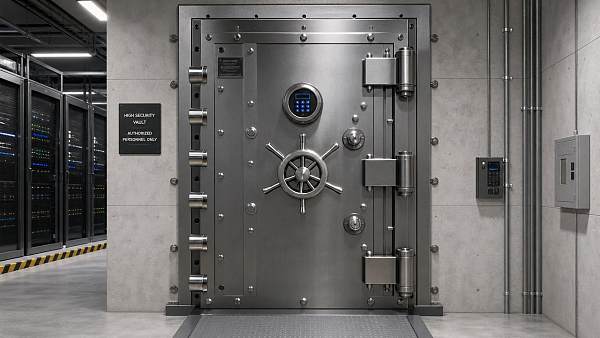
Vault security cost rarely comes from one line item. The visible price is only the starting point.
In real projects, cost changes with threat level, compliance targets, opening size, wall structure, and site conditions.
A cash room, luxury retail stockroom, data archive, and pharmaceutical storage area may all use vault-grade protection, but not at the same cost level.
That is why early budgeting should separate product cost from project cost. This avoids underestimating installation, testing, and future service obligations.
A useful starting question is simple: what risk must the vault resist, and what evidence must the system provide?
In the physical security market, this usually links to burglary resistance grades, fire protection needs, lock certification, and audit requirements.
SHPS often frames this issue through engineering rather than sales language. Materials, lock architecture, testing standards, and deployment conditions all shape total value.
So when comparing vault security cost, the better question is not “Which quote is cheapest?” but “Which scope is actually included?”
How much of vault security cost comes from the door itself?
Usually, the vault door is the largest single hardware cost, especially in higher-risk applications.
Door pricing rises with steel thickness, composite barrier layers, anti-drill materials, boltwork complexity, frame design, and certified resistance level.
A basic reinforced door may suit internal back-room protection. A certified burglary-resistant vault door costs more because it is tested, documented, and heavier to install.
The difference becomes sharper when specifications call for EN 1143-1 alignment, relocking mechanisms, or glass relock systems.
Size also matters. A larger clear opening increases material use, hinge load, transport difficulty, and anchoring requirements.
More expensive doors are not always overspecified. In some environments, they reduce insurance friction and lower the risk of early replacement.
The table below helps separate cost drivers that are easy to miss during quote review.
When reviewing quotes, ask whether the door price includes frame, threshold, finish, anchor set, and delivery handling.
Are locking systems a minor add-on or a major budget factor?
They are often a major factor, especially when accountability and multi-user control matter.
A mechanical lock can keep initial vault security cost lower. It may also simplify maintenance in low-connectivity locations.
Electronic locks raise hardware cost, but they can reduce operational risk through audit trails, time delay, dual control, and scheduled access windows.
Biometric options add another layer. Fingerprint, vein recognition, or facial verification may support stronger identity control, yet they require careful evaluation of reliability and fallback access.
The practical issue is not whether smart locks are modern. It is whether their features align with the site’s control model.
In highly controlled environments, electronic or biometric systems may save money indirectly by reducing key risk, internal misuse, and manual recordkeeping.
Still, more features do not always improve value. A lock with network capability may be unnecessary if the vault operates offline and change management is simple.
- Choose mechanical locks when simplicity, durability, and low electronics exposure are priorities.
- Choose electronic locks when auditability, time control, and user management justify the added cost.
- Choose biometric layers only when identity verification risk is genuinely material.
This is one area where SHPS-style evaluation is useful. It connects lock technology with spoofing risk, mechanical resistance, and long-term service reality.
What installation issues usually inflate vault security cost?
Installation is where many budgets become unrealistic. Heavy hardware needs structure, access, labor, and time.
A straightforward new-build opening is very different from retrofitting a vault door into an active facility.
Common cost increases come from crane access, floor reinforcement, wall modification, restricted delivery windows, and local safety rules.
If the wall system lacks the same resistance level as the door, additional reinforcement may be necessary. That can quickly reshape the project budget.
Electrical preparation also matters. Electronic locks, alarms, sensors, and monitoring interfaces need coordinated wiring and testing.
The more integrated the vault is with access control, CCTV, or building systems, the less accurate a hardware-only quote becomes.
A practical way to control vault security cost is to confirm site-readiness before final approval.
- Check route dimensions for transport and lifting equipment.
- Confirm wall, floor, and anchor conditions with drawings.
- Identify power, conduit, and communication needs early.
- Allow time for testing, user setup, and handover training.
These steps sound basic, but they often prevent the change orders that make one vendor look cheaper only on paper.
How should maintenance and lifecycle cost be judged?
This is where short-term and long-term decisions usually diverge.
Low upfront vault security cost can become expensive if lock failures, alignment issues, or unavailable spare parts interrupt operations.
Mechanical systems need periodic inspection, lubrication, and adjustment. Electronic systems add batteries, firmware control, credential management, and component replacement planning.
For higher-security sites, maintenance also includes proof of service, access logs, tamper response checks, and emergency opening procedures.
A good quote should clarify response time, spare parts availability, warranty scope, and technician coverage.
The most useful comparison is not annual service price alone. It is the likely cost of downtime, failed access, or delayed recovery.
That is especially true where vaults protect cash, regulated documents, high-value stock, or restricted evidence.
A quick maintenance checklist
What mistakes lead to a misleading vault security cost comparison?
The most common mistake is comparing hardware categories as if they were equivalent.
A reinforced security door is not the same as a certified vault door, even if the appearance seems similar.
Another mistake is ignoring the difference between tested lock performance and feature marketing.
It is also risky to approve a quote without checking whether civil work, commissioning, compliance documents, and service terms are included.
In practice, a lower quote often excludes one or more of these items:
- Site survey and structural review
- Delivery, lifting, and positioning equipment
- Electrical integration and system testing
- Compliance certificates and documentation package
- Training, preventive maintenance, or emergency support
A clearer method is to score each proposal by resistance level, lock control method, installation scope, lifecycle support, and evidence of compliance.
That kind of structured review reflects how professional physical security platforms analyze products across engineering, standards, and deployment risk.
So how can a buyer build a realistic vault security cost budget?
Start with the protected asset, not the catalog price.
If the consequences of breach are high, the cheapest solution rarely stays cheapest for long.
A realistic vault security cost budget should include door grade, lock type, civil preparation, installation, testing, training, and planned maintenance.
It should also reflect the evidence needed for insurers, auditors, and internal approval standards.
When details are unclear, ask vendors to break pricing into hardware, site work, integration, and service. That makes scope gaps visible.
For next steps, define the threat level, list mandatory compliance points, confirm site constraints, and compare lifecycle assumptions before final selection.
That approach leads to a more defensible decision, and usually a more accurate vault security cost forecast.
Have questions about this sector analysis, or seeking best practices specific to your niche? Drop us a line below and let the senior consultants at MHLS assist you.
We respect your privacy. Your information is strictly confidential.
Recommended News
 Physical Security Infrastructure Cost: Budgeting for Installation and MaintenanceUnmanned Terminal FellowUnderstand physical security infrastructure cost and build a smarter budget for installation, maintenance, and long-term ownership.
 Financial Facility Security: Choosing Vault Doors for Bank BranchesVault Structural ArchitectStrengthen financial facility security with the right bank vault door. Explore certification, installation, locking controls and maintenance before you buy.
 MACO Acquires Majority Stake in Fingerprint Access Provider ekeyProf. Elara SterlingMACO acquires a majority stake in ekey, bringing fingerprint access and door hardware closer together. Discover what the deal could mean for smart buildings.
 Physical Security System Engineering: From Risk Assessment to System DesignUnmanned Terminal FellowExplore physical security system engineering, from risk assessment to integrated design, procurement and testing. Build a safer, more resilient facility.
 Apple Home Collection Smart Lock and Other Accessories Open for Preorder November 13Biometric Auth ScientistApple Home Collection preorders open November 13, 2026. Explore the LG smart lock’s Matter and Aliro support and what buyers should verify before ordering.
 Choosing Servo-Driven Flap Barriers: Throughput, Safety and Access ControlAccess Control StrategistServo-driven flap barriers can balance throughput, safety and access control. Discover how to compare lanes, test performance and choose with confidence.
 Parcel Locker Network Pricing: Setup Costs, Fees and Contract TermsUnmanned Terminal FellowCompare parcel locker networks pricing, from setup costs and recurring fees to contract terms. Discover hidden charges and choose the right model.
 JR East Plans UWB Walk-Through Gates at 40 Stations in Spring 2028Access Control StrategistJR East plans UWB walk-through gates at 40 stations in spring 2028. Explore the rollout timeline and what suppliers should watch.
 Bank Vault Security Standards: UL and EN Ratings ExplainedVault Structural ArchitectExplore bank vault security standards and learn how UL 608 classes and EN 1143-1 grades differ, what they test, and how to verify certification before you buy.
 Mechanical Lock Hardware Prices: What Buyers Should Budget for Bulk OrdersMr. Gideon CrossMechanical lock hardware price is just the starting point. Discover what drives bulk-order costs and how to compare supplier quotes with confidence.
 IndexBox Forecasts Steady Global Security Keypad Market Growth Through 2035Dr. Valerius ThorneGlobal security keypad market growth is forecast at 3.3% annually through 2035. Explore the smart home and replacement trends shaping demand.
 Choosing an Infrared Safety Sensors Manufacturer: What Buyers Should CheckUnmanned Terminal FellowChoosing an infrared safety sensors manufacturer? Compare safety evidence, integration, environmental performance and lifecycle costs before you buy.











