
Vault Systems for Pharmacies: Key Layout, Compliance, and Access Control Factors
Vault Systems for Pharmacies Start With Real Operating Conditions
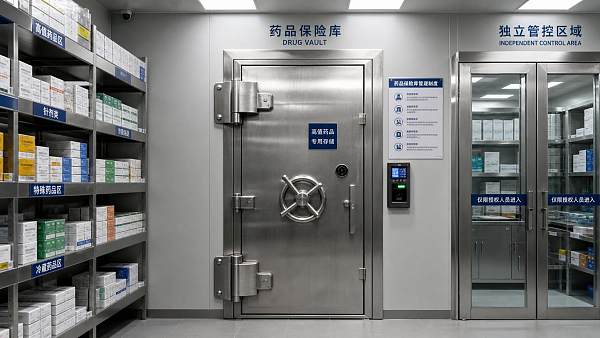
Choosing vault systems for pharmacies is rarely about adding the strongest room available. Security performance depends on how the space is used every hour.
A pharmacy may store narcotics, high-value medicines, cash, patient-sensitive records, and controlled returns in the same footprint. Those assets do not carry the same risk profile.
That is why vault systems for pharmacies need a layout strategy, not just a product specification. The practical question is how protection, workflow, and compliance can work together.
In real projects, the best decisions come from linking burglary resistance, access control, daily replenishment, audit visibility, and emergency procedures before installation begins.
This approach also reflects how SHPS examines physical security infrastructure: through materials, locking mechanisms, compliance standards, and deployment realities rather than isolated features.
Why Different Pharmacy Environments Need Different Vault Logic
Not every pharmacy faces the same threat pattern. A hospital dispensary, a retail branch, and a compounding site may all require vault systems for pharmacies, but their priorities shift quickly.
High-traffic retail locations usually worry about diversion during shift changes and repeated opening cycles. Internal control matters as much as resistance against forced attack.
Hospital environments often focus on continuous access, medication segregation, and documented accountability across more users. Delays caused by poor layout can become operational problems.
Compounding or specialty sites may hold expensive stock with narrower access rights. There, climate stability, inventory accuracy, and chain-of-custody records often sit beside physical hardening requirements.
The result is simple: similar-looking rooms can justify very different door structures, lock types, authentication layers, and internal zoning.
Layout Decisions Matter More Than Many Teams Expect
A common mistake is treating the vault as a sealed box at the end of the floor plan. For pharmacies, travel paths and stock handling patterns affect security more than expected.
When high-value items sit deep inside a cramped room, staff may prop doors open during busy periods. That single habit can undermine otherwise strong vault systems for pharmacies.
More reliable layouts separate quick-access controlled drugs from slower-moving reserve stock. This reduces unnecessary entry events and keeps the highest-risk inventory under tighter control.
Door swing, shelf depth, sight lines, CCTV coverage, and transfer counters also deserve attention. Security hardware performs best when the room supports orderly movement.
In constrained urban locations, modular vault panels or reinforced secure rooms may fit better than a conventional concrete build. The right answer depends on structure, loading, and retrofit limits.
Typical layout checkpoints before approval
- How often controlled inventory must be accessed during peak hours.
- Whether receiving, counting, and storage occur in the same secure zone.
- If the structure can support vault wall weight and anchoring loads.
- Whether emergency egress rules affect door placement or locking logic.
- How internal shelving influences visibility and blind spots.
Access Control Requirements Change With Use Frequency
Access control is where many vault systems for pharmacies succeed or fail in daily use. Strong walls mean little if access rights are too broad or too awkward.
For low-frequency rooms, dual custody with time delay can make sense. It slows unauthorized removal and supports stronger audit discipline.
For high-frequency medication issue points, that same setup may create workarounds. People will bypass procedures if secure access interrupts clinical or retail flow too often.
That is why authentication should match operating tempo. Mechanical locks, electronic locks, card credentials, PIN layers, and biometric verification each solve different problems.
Biometric options can reduce shared credential abuse, especially when paired with liveness detection and event logging. They still need fallback procedures for power loss, injury, or enrollment issues.
Where regulations demand strict accountability, linking the vault door to access control software and video timestamps creates stronger investigation records than standalone locks.
Compliance Is Not Only About One Standard
Compliance review for vault systems for pharmacies usually extends beyond a single burglary rating. The room may need to satisfy controlled substance handling rules, building codes, fire safety obligations, and insurer conditions.
In cross-border projects, teams often compare EN 1143-1 classifications, UL-related testing references, local narcotics storage rules, and site-specific audit requirements together.
That broader view matters because a highly rated vault can still create compliance gaps if the door hardware, monitoring records, or emergency release arrangements are poorly aligned.
SHPS frequently frames this issue through integration. Burglary resistance, anti-drill materials, mechanical locking structure, and access logging have to work as one compliance system.
Different conditions lead to different compliance priorities
High-Risk Inventory Calls for Internal Zoning, Not Just One Secure Door
Many installations rely on one hardened envelope for all protected stock. In practice, vault systems for pharmacies work better when internal access layers reflect item sensitivity.
Controlled drugs, cash, recalled products, and awaiting-destruction inventory should not always sit under identical handling rules. Mixing them increases access events and complicates audits.
A more resilient setup uses sub-compartments, lockable cages, inner safes, or electronic cabinets inside the main vault room. This keeps the outer shell stable while tightening control around the highest-risk stock.
This is especially useful where the room serves several workflows across the day. One team may need routine access, while another should only reach a limited inner zone.
Where Projects Often Go Wrong Before Installation
The first misjudgment is buying vault systems for pharmacies by rating alone. Attack resistance matters, but operating friction often creates the real security weakness.
Another issue is copying a hospital specification into a retail branch, or the reverse. Similar assets do not mean identical access patterns, staffing models, or incident exposure.
Some projects also underestimate maintenance. Electronic locks, sensors, UPS backup, biometric readers, and door hardware all need service planning, testing intervals, and clear responsibility.
Retrofit work creates another blind spot. Floor loading, wall reinforcement, door clearance, network routing, and fire separation can reshape the final design more than the initial vault specification.
It is also risky to ignore integration with alarms, CCTV, and centralized access management. A secure room without connected visibility becomes harder to supervise and investigate.
A Practical Way to Match Vault Systems for Pharmacies to the Site
A useful starting point is mapping the room by transaction type rather than by product category alone. Count how many entries happen, who needs access, and which items trigger the highest control burden.
Then compare those patterns against four factors: burglary resistance, internal zoning, authentication method, and audit depth. This usually reveals where the real design tradeoffs sit.
- Define which inventory truly requires the strongest enclosure.
- Separate frequent access stock from reserve or exception stock.
- Check whether biometric, PIN, card, or dual-control access fits the pace.
- Confirm local regulations, insurer rules, and structural limits early.
- Review service intervals, emergency override, and event log retention.
That process keeps vault systems for pharmacies aligned with both compliance and workflow. It also reduces the chance of costly redesign after walls, doors, and control hardware are already committed.
The strongest result usually comes from evaluating the site as part of a wider physical security system, where vault construction, locks, access control, monitoring, and long-term operation are judged together.
Have questions about this sector analysis, or seeking best practices specific to your niche? Drop us a line below and let the senior consultants at MHLS assist you.
We respect your privacy. Your information is strictly confidential.
Recommended News
 Physical Security System Engineering: From Risk Assessment to System DesignUnmanned Terminal FellowExplore physical security system engineering, from risk assessment to integrated design, procurement and testing. Build a safer, more resilient facility.
 Apple Home Collection Smart Lock and Other Accessories Open for Preorder November 13Biometric Auth ScientistApple Home Collection preorders open November 13, 2026. Explore the LG smart lock’s Matter and Aliro support and what buyers should verify before ordering.
 Choosing Servo-Driven Flap Barriers: Throughput, Safety and Access ControlAccess Control StrategistServo-driven flap barriers can balance throughput, safety and access control. Discover how to compare lanes, test performance and choose with confidence.
 Parcel Locker Network Pricing: Setup Costs, Fees and Contract TermsUnmanned Terminal FellowCompare parcel locker networks pricing, from setup costs and recurring fees to contract terms. Discover hidden charges and choose the right model.
 JR East Plans UWB Walk-Through Gates at 40 Stations in Spring 2028Access Control StrategistJR East plans UWB walk-through gates at 40 stations in spring 2028. Explore the rollout timeline and what suppliers should watch.
 Bank Vault Security Standards: UL and EN Ratings ExplainedVault Structural ArchitectExplore bank vault security standards and learn how UL 608 classes and EN 1143-1 grades differ, what they test, and how to verify certification before you buy.
 Mechanical Lock Hardware Prices: What Buyers Should Budget for Bulk OrdersMr. Gideon CrossMechanical lock hardware price is just the starting point. Discover what drives bulk-order costs and how to compare supplier quotes with confidence.
 IndexBox Forecasts Steady Global Security Keypad Market Growth Through 2035Dr. Valerius ThorneGlobal security keypad market growth is forecast at 3.3% annually through 2035. Explore the smart home and replacement trends shaping demand.
 Choosing an Infrared Safety Sensors Manufacturer: What Buyers Should CheckUnmanned Terminal FellowChoosing an infrared safety sensors manufacturer? Compare safety evidence, integration, environmental performance and lifecycle costs before you buy.
 Choosing a Security Material Testing Service: What to Check for Lock and Safe MaterialsProf. Elara SterlingChoose a security material testing service with confidence. Learn what to check for lock and safe materials, from attack methods and accreditation to reliable reports.
 How Precision Anti-Pick Lock Cylinders Resist ManipulationSecurity Metallurgy ExpertDiscover how precision anti-pick lock technology resists manipulation, and learn what to check when comparing security features, test evidence, and everyday reliability.
 Dermalog Joins NIST FastCAP Program for Contactless Fingerprint TestingProf. Elara SterlingDermalog joins the NIST FastCAP program for contactless fingerprint testing. Discover what this means for biometric identification and digital identity.











