CPSC Sets Lightning Protection Rule for Smart Parcel Lockers
On July 7, 2026, the U.S. Consumer Product Safety Commission (CPSC) issued Safety Alert #SA-2026-042, setting a new compliance requirement for outdoor smart parcel lockers sold in the United States. From an industry perspective, this is not only a product safety update for the U.S. market, but also a near-term compliance issue for manufacturers, exporters, certification teams, and buyers tied to outdoor delivery infrastructure, because it directly affects product configuration, labeling, and certification preparation ahead of the October 1, 2026 enforcement date.

What the CPSC Alert Confirms
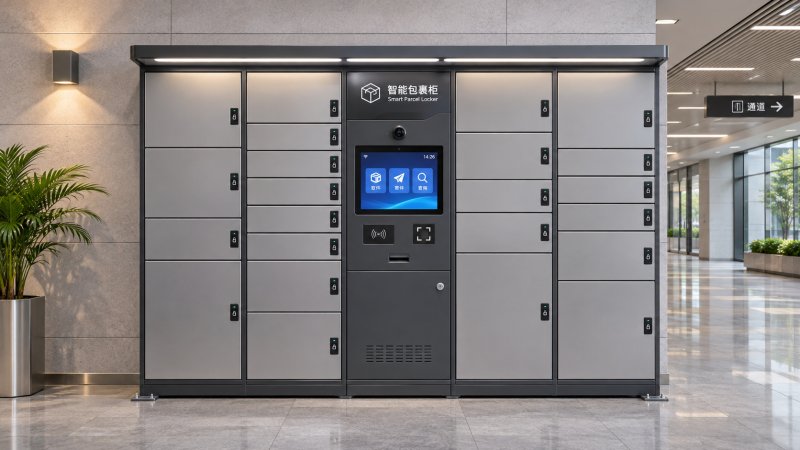
The confirmed facts are clear. The CPSC announced on July 7, 2026 that all Outdoor Smart Parcel Lockers sold in the U.S. must, starting October 1, 2026, integrate a Type 2 SPD lightning protection module compliant with UL 1449 5th edition. The alert also requires the lightning protection rating to be clearly stated in both the product manual and the nameplate. According to the information provided, the rule was introduced after multiple lightning-strike incidents in Florida in 2025 led to short circuits and fires in locker cabinets.
Where the Pressure Will Appear Across the Chain
Export-facing manufacturers will face product and certification adjustments
Analysis shows that manufacturers supplying the U.S. market are likely to be affected first, because the new requirement changes the mandatory hardware configuration for compliant products. The main impact is likely to fall on product design confirmation, UL certification updates, documentation alignment, and shipment readiness for models intended for U.S. sale.
Component sourcing and BOM control will become more sensitive
From an industry perspective, procurement and supply chain teams should pay close attention to the requirement for a UL 1449 5th edition Type 2 SPD module and the stated IP66 lightning protection context in the original alert title. The practical pressure is likely to appear in component selection, supplier qualification review, and overall BOM cost management, especially for companies that had not previously included this protection module as a standard configuration for outdoor locker units.
Importers, buyers, and channel partners will need clearer compliance evidence
Observably, downstream buyers and channel-side participants may be affected through document review and delivery acceptance rather than through manufacturing itself. Because the requirement also extends to manuals and nameplates, procurement teams and distribution partners serving the U.S. market will likely need to confirm whether incoming products are labeled correctly and whether supporting certification materials reflect the updated requirement.
What Companies Should Watch Now
The gap between the publication date and the enforcement date
What deserves closer attention is the short transition window between the July 7, 2026 alert and the October 1, 2026 start date. For companies with products already planned for the U.S. market, the key issue is not only whether the module can be added, but whether design validation, certification updates, and delivery scheduling can be aligned in time.
Consistency between hardware, manual, and nameplate
The alert does not stop at the product itself. It also requires the lightning protection rating to be disclosed in the manual and on the nameplate. In practical terms, companies should treat hardware compliance and labeling compliance as one task, because a mismatch between installed configuration and product documentation could create avoidable commercial or compliance friction.
UL update paths for existing models
Analysis shows that existing models already positioned for U.S. sale may require closer review than newly developed ones. The issue is not simply adding a part to the electrical architecture, but determining how the change interacts with ongoing or prior UL certification work. For export-oriented Chinese companies specifically mentioned in the input, this is a direct operational concern.
Supplier communication and customer-facing preparation
From an industry perspective, another immediate priority is communication across suppliers and customers. Teams responsible for delivery, documentation, and account management should be prepared to explain whether a model has been updated, whether certification materials have been revised, and whether lead times or costs may change because of the new requirement.
Why This Looks Like More Than a One-Off Notice
Observably, this update can be read in two ways at once. In the short term, it is a concrete compliance change with a defined enforcement date. Analysis shows, however, that it also signals a stricter safety expectation for outdoor smart parcel equipment exposed to real-world electrical risk. That does not automatically mean broader new rules are certain, but it does suggest that outdoor deployment conditions and protective design features are receiving closer regulatory attention.
How This Update Should Be Read for Now
At this stage, it is more appropriate to understand this as an immediate market-access requirement for U.S.-bound outdoor smart parcel lockers, and at the same time as a longer-term signal that safety-related hardware details can move quickly from design preference to mandatory condition. The current impact should not be overstated, but it is already specific enough that affected companies cannot treat it as a distant policy discussion.
Basis of This Article and What Still Needs Verification
This article is based on the user-provided news title, event date, and event summary. For this type of industry update, relevant source categories typically include official notices, company announcements, industry association information, authoritative media coverage, and standards organization documents. The specific official source link was not provided in the input, so continued verification is still necessary. What deserves closer attention next is whether any further official clarification, implementation guidance, or related certification interpretation is released around the October 1, 2026 enforcement timeline.
Have questions about this sector analysis, or seeking best practices specific to your niche? Drop us a line below and let the senior consultants at MHLS assist you.
We respect your privacy. Your information is strictly confidential.
Recommended News
 Physical Security Infrastructure Cost: Budgeting for Installation and MaintenanceUnmanned Terminal FellowUnderstand physical security infrastructure cost and build a smarter budget for installation, maintenance, and long-term ownership.
 Financial Facility Security: Choosing Vault Doors for Bank BranchesVault Structural ArchitectStrengthen financial facility security with the right bank vault door. Explore certification, installation, locking controls and maintenance before you buy.
 MACO Acquires Majority Stake in Fingerprint Access Provider ekeyProf. Elara SterlingMACO acquires a majority stake in ekey, bringing fingerprint access and door hardware closer together. Discover what the deal could mean for smart buildings.
 Physical Security System Engineering: From Risk Assessment to System DesignUnmanned Terminal FellowExplore physical security system engineering, from risk assessment to integrated design, procurement and testing. Build a safer, more resilient facility.
 Apple Home Collection Smart Lock and Other Accessories Open for Preorder November 13Biometric Auth ScientistApple Home Collection preorders open November 13, 2026. Explore the LG smart lock’s Matter and Aliro support and what buyers should verify before ordering.
 Choosing Servo-Driven Flap Barriers: Throughput, Safety and Access ControlAccess Control StrategistServo-driven flap barriers can balance throughput, safety and access control. Discover how to compare lanes, test performance and choose with confidence.
 Parcel Locker Network Pricing: Setup Costs, Fees and Contract TermsUnmanned Terminal FellowCompare parcel locker networks pricing, from setup costs and recurring fees to contract terms. Discover hidden charges and choose the right model.
 JR East Plans UWB Walk-Through Gates at 40 Stations in Spring 2028Access Control StrategistJR East plans UWB walk-through gates at 40 stations in spring 2028. Explore the rollout timeline and what suppliers should watch.
 Bank Vault Security Standards: UL and EN Ratings ExplainedVault Structural ArchitectExplore bank vault security standards and learn how UL 608 classes and EN 1143-1 grades differ, what they test, and how to verify certification before you buy.
 Mechanical Lock Hardware Prices: What Buyers Should Budget for Bulk OrdersMr. Gideon CrossMechanical lock hardware price is just the starting point. Discover what drives bulk-order costs and how to compare supplier quotes with confidence.
 IndexBox Forecasts Steady Global Security Keypad Market Growth Through 2035Dr. Valerius ThorneGlobal security keypad market growth is forecast at 3.3% annually through 2035. Explore the smart home and replacement trends shaping demand.
 Choosing an Infrared Safety Sensors Manufacturer: What Buyers Should CheckUnmanned Terminal FellowChoosing an infrared safety sensors manufacturer? Compare safety evidence, integration, environmental performance and lifecycle costs before you buy.