EU CE Rule Takes Effect for Smart Locker Certification
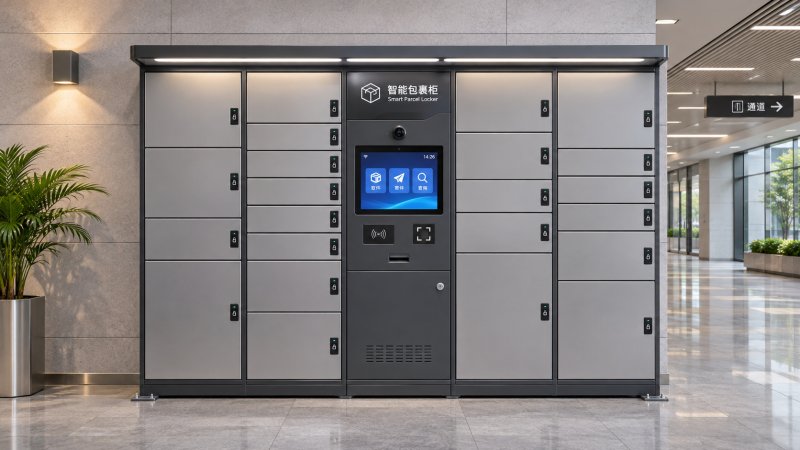
On July 28, 2026, the EU began mandatory enforcement of EN 18436-2:2026 for Outdoor Smart Parcel Lockers and Refrigerated Smart Lockers, turning new technical checks into a market-entry condition under CE-related compliance. The change matters not only to manufacturers, but also to exporters, distributors, testing and certification providers, procurement teams, and delivery planners, because products that do not obtain the required certification can no longer enter the EU market, affecting customs clearance and channel access.

What the new standard now requires
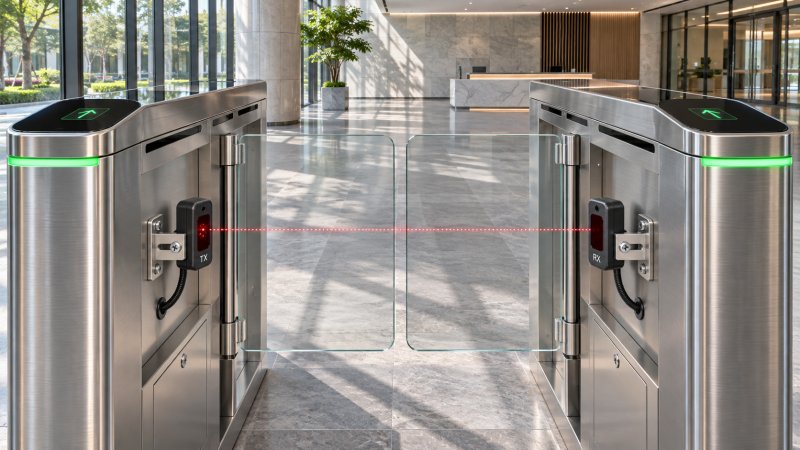
The confirmed change is that EN 18436-2:2026 is being mandatorily implemented from July 28, 2026. For Outdoor Smart Parcel Lockers and Refrigerated Smart Lockers, the standard adds infrared anti-tailgating verification, environmental temperature cycle resistance requirements covering -25°C to +55°C, and condensation water protection grade requirements. Products without certification under this updated standard will be unable to enter the EU market, with direct consequences for customs clearance and distribution access. The update is also directly connected to product design, testing timelines, and CE technical documentation for Chinese exporters.
Where the immediate pressure will appear in the business chain
Product design and manufacturing will face earlier compliance constraints
From an industry perspective, manufacturers of smart locker equipment are likely to feel the first impact because the new requirements are tied to product performance rather than only paperwork. The main pressure point is that anti-tailgating verification, temperature cycle endurance, and condensation protection may need to be reflected in hardware configuration, structural design, thermal management, and validation planning. For affected suppliers, compliance review can no longer be treated as a late-stage export formality.
Export and channel operations will need closer document alignment
Exporting companies and distribution partners may be affected because the rule change directly influences EU market access. The practical impact is likely to appear in shipment readiness, customs documentation review, distributor onboarding, and product qualification checks before market placement. What deserves closer attention is whether existing CE technical files, test records, and product descriptions remain aligned with the new standard requirements for the covered locker categories.
Testing and certification workflows may become a gating factor for delivery
Certification-related service providers and companies relying on external testing are also likely to be affected. Analysis shows that once additional verification items are mandatory, testing scope and document preparation may become more time-sensitive for projects already scheduled for export. The immediate business issue is less about abstract regulation and more about whether certification sequencing can keep pace with order commitments and delivery windows.
Procurement and project buyers may tighten specification review
Procurement teams, project buyers, and channel partners sourcing smart locker systems for the EU market may need to review technical specifications more carefully. The reason is straightforward: if a supplied product lacks the required certification, the procurement process may face downstream disruption in import, installation scheduling, or distribution qualification. In practical terms, buyers may need stronger confirmation around compliance status, technical documentation, and supplier readiness before placing or releasing orders.
What companies should review now
Check whether covered products fall within the updated certification path
Companies dealing with Outdoor Smart Parcel Lockers or Refrigerated Smart Lockers should first confirm whether current or planned EU-bound models fall within the scope affected by EN 18436-2:2026. Where product portfolios include outdoor or temperature-sensitive applications, the compliance path may need immediate reassessment rather than routine renewal handling.
Reassess testing timelines against shipment and launch schedules
Analysis shows that testing duration is now a practical risk point because the updated standard introduces additional verification items. Companies should pay attention to whether current export schedules, bid commitments, or launch plans still match realistic certification timing. The input information does not provide detailed execution timelines beyond the effective date, so this remains an area that requires active follow-up rather than assumption.
Update CE technical documentation with tighter internal controls
The event summary directly links the new standard to CE technical document updates. That means affected businesses should review whether technical files, test references, model descriptions, and compliance statements remain consistent with the revised requirements. For companies working through multiple suppliers or contract manufacturers, documentation consistency may become as important as physical product conformity.
Watch for changes in tender wording and partner qualification requests
Observably, this type of rule change can begin to appear in procurement specifications, distributor qualification checks, and after-sales support requirements before broader market practice fully settles. Since the provided information does not include detailed implementation language from downstream buyers or channels, companies should treat this as a monitoring priority rather than a confirmed market-wide outcome.
Why this looks like an execution signal, not just a policy headline
Analysis shows that this development is better understood as an implemented compliance threshold rather than an early-stage regulatory discussion. The effective date is clear, the applicable product categories are identified, and the consequence of non-certification is already tied to EU market entry, customs clearance, and distribution access. At the same time, observably, the market still needs to watch how certification practice, technical interpretation, and procurement language evolve around the new requirements, because those operational details are not provided in the input.
How the market is likely to read this change
At this stage, the most reasonable reading is that EN 18436-2:2026 has moved smart locker compliance in the EU from a general CE documentation exercise toward a more explicit product-verification requirement for the covered categories. The change should not be overstated beyond the facts provided, but it clearly signals that design validation, testing preparation, and document control now have a more direct effect on export readiness and channel access. It is more appropriate to understand this as a rule already in force, while still recognizing that some execution details will need continued observation.
Basis of this article and what still needs verification
This article is based on the user-provided news title, event date, and event summary. For developments of this type, relevant source categories typically include official notices, regulatory publications, customs or trade authority information, industry association releases, standardization documents, and reporting by authoritative trade media. No specific official source link was provided in the input, so the exact official source chain still needs to be verified on an ongoing basis. What should continue to be monitored includes detailed implementation language, certification interpretation, changes in tender documents, industry feedback, and how affected companies are carrying out compliance updates in practice.
Have questions about this sector analysis, or seeking best practices specific to your niche? Drop us a line below and let the senior consultants at MHLS assist you.
We respect your privacy. Your information is strictly confidential.
Recommended News
 Parcel Locker Network Pricing: Setup Costs, Fees and Contract TermsUnmanned Terminal FellowCompare parcel locker networks pricing, from setup costs and recurring fees to contract terms. Discover hidden charges and choose the right model.
 JR East Plans UWB Walk-Through Gates at 40 Stations in Spring 2028Access Control StrategistJR East plans UWB walk-through gates at 40 stations in spring 2028. Explore the rollout timeline and what suppliers should watch.
 Bank Vault Security Standards: UL and EN Ratings ExplainedVault Structural ArchitectExplore bank vault security standards and learn how UL 608 classes and EN 1143-1 grades differ, what they test, and how to verify certification before you buy.
 Mechanical Lock Hardware Prices: What Buyers Should Budget for Bulk OrdersMr. Gideon CrossMechanical lock hardware price is just the starting point. Discover what drives bulk-order costs and how to compare supplier quotes with confidence.
 IndexBox Forecasts Steady Global Security Keypad Market Growth Through 2035Dr. Valerius ThorneGlobal security keypad market growth is forecast at 3.3% annually through 2035. Explore the smart home and replacement trends shaping demand.
 Choosing an Infrared Safety Sensors Manufacturer: What Buyers Should CheckUnmanned Terminal FellowChoosing an infrared safety sensors manufacturer? Compare safety evidence, integration, environmental performance and lifecycle costs before you buy.
 Choosing a Security Material Testing Service: What to Check for Lock and Safe MaterialsProf. Elara SterlingChoose a security material testing service with confidence. Learn what to check for lock and safe materials, from attack methods and accreditation to reliable reports.
 How Precision Anti-Pick Lock Cylinders Resist ManipulationSecurity Metallurgy ExpertDiscover how precision anti-pick lock technology resists manipulation, and learn what to check when comparing security features, test evidence, and everyday reliability.
 Dermalog Joins NIST FastCAP Program for Contactless Fingerprint TestingProf. Elara SterlingDermalog joins the NIST FastCAP program for contactless fingerprint testing. Discover what this means for biometric identification and digital identity.
 Choosing Security Export Compliance Services: What Providers Should CoverMr. Gideon CrossSecurity export compliance services can help prevent costly delays. Discover what to look for in classification, licensing, screening, and documentation.
 European Security Compliance Standards for Safes: EN 1143-1 vs EN 14450Dr. Valerius ThorneExplore security compliance standards Europe buyers need to know. Compare EN 1143-1 and EN 14450 to choose the right safe with confidence.
 HID Global Acquires inepro ID to Expand RFID and BLE Access SolutionsUnmanned Terminal FellowHID Global acquires inepro ID to expand RFID and BLE access solutions for printers, smart lockers and shared devices. Explore what the deal could mean for your organization.