
EU CE Rule Takes Effect for Smart Parcel Lockers
On June 25, 2026, a new CE compliance threshold took effect for outdoor smart parcel lockers sold in the EU. The update centers on the revised EN 15236-2:2026 standard and adds two new mandatory checks: mechanical impact resistance at or above 20J and OTA firmware signature verification. For exporters, manufacturers, certification teams, and distribution partners, this matters because market access, testing schedules, and technical documentation are now directly tied to the updated certification status.
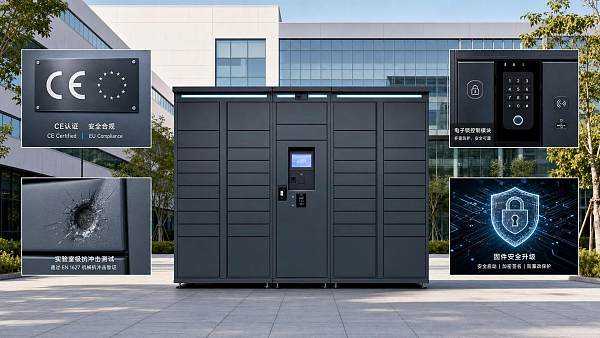
What the new EN 15236-2:2026 requirement confirms
The confirmed change is that, from June 25, 2026, the EU requires all Outdoor Smart Parcel Lockers sold in the EU market to comply with the revised EN 15236-2:2026 standard. The revision introduces dual compliance testing for mechanical impact resistance of at least 20J and OTA firmware signature verification. The standard was urgently issued by CEN on June 24. The information provided also confirms that the change directly affects product access for Chinese exporters, the duration of type testing, and the need to update CE technical documentation. Products without the new certificate will not be able to enter key distribution channels in Germany and the Netherlands.
Where the pressure is likely to appear first
Export-facing manufacturers and traders
From an industry perspective, these companies are likely to feel the change first because EU market entry now depends on certification aligned with the revised standard. The practical impact is likely to appear in shipment readiness, model qualification, and document review before export. What deserves closer attention is whether existing product lines and pending orders are still matched to the updated CE documentation requirements.
Testing, certification, and compliance teams
Analysis shows that the added impact and OTA firmware verification requirements are likely to affect type testing workflows and technical file updates. For certification-related teams, the immediate issue is not only whether a product can pass the new tests, but also whether current reports, declarations, and supporting records remain usable under the revised standard. This makes document alignment and certification timing a practical concern.
Distributors and channel operators in key EU markets
Observably, the rule change also matters for channel access because the provided information states that products without the updated certificate cannot enter important distribution channels in Germany and the Netherlands. For channel partners and buyers, this may shift attention toward certificate validity, supplier qualification checks, and acceptance conditions tied to updated compliance status.
Supply chain and delivery coordination
From an operational perspective, the effect may extend into delivery planning and procurement coordination. Since the input states that type testing cycles are directly affected, companies involved in order scheduling, supplier management, or project delivery should pay attention to whether certification updates create timing gaps between production, documentation, and shipment.
What companies should review now
Check certificate alignment against the revised standard
Analysis shows that companies should first verify whether products intended for the EU market are covered by certification aligned with EN 15236-2:2026 as revised. This is particularly relevant for outdoor smart parcel lockers already in export pipelines or under channel review.
Revisit technical files and test records
What deserves closer attention is the status of CE technical documentation. The provided information explicitly points to documentation updates, so companies should review whether existing files, test reports, and related compliance records reflect the newly required impact and OTA firmware signature checks.
Watch timing risks in orders and deliveries
Observably, the rule change should also be read as a delivery and scheduling issue. Because the input confirms an impact on type testing cycles, firms may need to pay closer attention to product launch timing, order confirmation, and handover commitments where EU access depends on updated certification.
Follow later implementation signals carefully
The current information does not provide detailed enforcement language beyond the confirmed requirement and channel consequences. For that reason, it is more appropriate to monitor subsequent official wording, certification interpretation, tender document changes, and market-side acceptance practices rather than assume a fully settled execution pattern across all business scenarios.
Why this looks like an execution signal, not just a standard update
Analysis shows that this development is better understood as an immediate compliance and market-entry signal rather than a distant policy direction. The effective date is explicit, the testing additions are specific, and the consequence for access to key distribution channels is already stated. At the same time, observably, the market still needs to watch how certification bodies, buyers, and channel operators apply the revised requirement in practice, especially where documentation review and acceptance timing may vary.
How the market may need to read this change
From an industry perspective, the most balanced reading is that EN 15236-2:2026 has moved from a standards update into a live access condition for outdoor smart parcel lockers in the EU. The confirmed facts already point to real compliance consequences, especially for exporters and channel access. Even so, it is more appropriate to treat this as a rule now in force with further implementation details still worth tracking, rather than as a fully settled end state.
Basis of this article and what still needs verification
This article is generated from the user-provided news title, event date, and event summary. For developments of this kind, relevant source types typically include official notices, regulator publications, trade or customs authority updates, industry association releases, standardization body documents, certification notices, and reporting by authoritative media. No specific official source link was provided in the input, so the exact official source link remains to be verified. What still requires continued checking includes later policy detail, certification interpretation, tender document updates, market feedback, and how affected companies implement the revised requirement in practice.
Have questions about this sector analysis, or seeking best practices specific to your niche? Drop us a line below and let the senior consultants at MHLS assist you.
We respect your privacy. Your information is strictly confidential.
Recommended News
 Financial Facility Security: Choosing Vault Doors for Bank BranchesVault Structural ArchitectStrengthen financial facility security with the right bank vault door. Explore certification, installation, locking controls and maintenance before you buy.
 MACO Acquires Majority Stake in Fingerprint Access Provider ekeyProf. Elara SterlingMACO acquires a majority stake in ekey, bringing fingerprint access and door hardware closer together. Discover what the deal could mean for smart buildings.
 Physical Security System Engineering: From Risk Assessment to System DesignUnmanned Terminal FellowExplore physical security system engineering, from risk assessment to integrated design, procurement and testing. Build a safer, more resilient facility.
 Apple Home Collection Smart Lock and Other Accessories Open for Preorder November 13Biometric Auth ScientistApple Home Collection preorders open November 13, 2026. Explore the LG smart lock’s Matter and Aliro support and what buyers should verify before ordering.
 Choosing Servo-Driven Flap Barriers: Throughput, Safety and Access ControlAccess Control StrategistServo-driven flap barriers can balance throughput, safety and access control. Discover how to compare lanes, test performance and choose with confidence.
 Parcel Locker Network Pricing: Setup Costs, Fees and Contract TermsUnmanned Terminal FellowCompare parcel locker networks pricing, from setup costs and recurring fees to contract terms. Discover hidden charges and choose the right model.
 JR East Plans UWB Walk-Through Gates at 40 Stations in Spring 2028Access Control StrategistJR East plans UWB walk-through gates at 40 stations in spring 2028. Explore the rollout timeline and what suppliers should watch.
 Bank Vault Security Standards: UL and EN Ratings ExplainedVault Structural ArchitectExplore bank vault security standards and learn how UL 608 classes and EN 1143-1 grades differ, what they test, and how to verify certification before you buy.
 Mechanical Lock Hardware Prices: What Buyers Should Budget for Bulk OrdersMr. Gideon CrossMechanical lock hardware price is just the starting point. Discover what drives bulk-order costs and how to compare supplier quotes with confidence.
 IndexBox Forecasts Steady Global Security Keypad Market Growth Through 2035Dr. Valerius ThorneGlobal security keypad market growth is forecast at 3.3% annually through 2035. Explore the smart home and replacement trends shaping demand.
 Choosing an Infrared Safety Sensors Manufacturer: What Buyers Should CheckUnmanned Terminal FellowChoosing an infrared safety sensors manufacturer? Compare safety evidence, integration, environmental performance and lifecycle costs before you buy.
 Choosing a Security Material Testing Service: What to Check for Lock and Safe MaterialsProf. Elara SterlingChoose a security material testing service with confidence. Learn what to check for lock and safe materials, from attack methods and accreditation to reliable reports.











