
How to Evaluate Smart Parcel Locker Platforms for Apartment and Campus Delivery
Evaluating smart parcel locker platforms for apartment and campus delivery starts with a practical question: what will keep parcels secure, accessible, and manageable after deployment, not just during a vendor demo.
That matters because these environments combine high delivery volumes, changing user populations, shared property access, and rising expectations for contactless convenience.
The best decisions usually come from looking beyond feature lists and testing how security architecture, software stability, hardware durability, and service support work together in daily operations.
Why smart parcel locker platforms now receive closer scrutiny
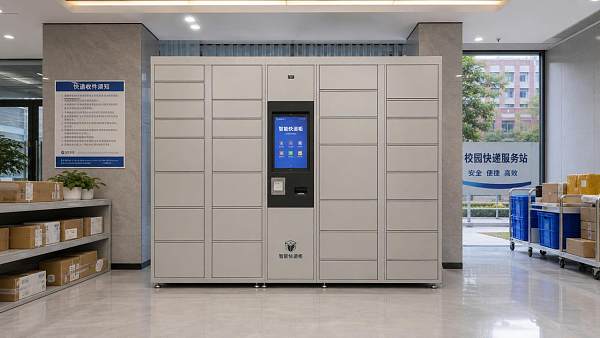
Apartment and campus delivery has become a last-mile security issue as much as a convenience issue.
Packages are no longer handled in predictable office hours. They arrive across weekends, evenings, and peak seasonal spikes.
At the same time, property operators need systems that reduce front-desk burden, avoid parcel pileups, and create traceable custody records.
This is where smart parcel locker platforms stand out from simple locker cabinets. The platform layer manages user identity, courier workflows, remote monitoring, audit trails, and exception handling.
From a broader physical security perspective, SHPS often frames parcel lockers as part of connected infrastructure, not isolated equipment.
That view is useful because parcel delivery touches electronic locks, IoT networks, access control, maintenance response, and site-level risk management.
Understand the platform before judging the hardware
A locker bank may look impressive, but the real evaluation target is the full operating system behind it.
In practice, smart parcel locker platforms combine four layers: physical enclosure, electronic locking, network connectivity, and management software.
If one layer is weak, the whole solution can fail.
For example, strong steel doors mean little if access credentials are poorly managed. Clean software design also means little if door sensors misread openings.
A sound evaluation therefore asks how the locker platform handles parcel intake, recipient notification, pickup verification, failed deliveries, door faults, offline events, and reporting.
This wider view helps separate a durable operational platform from a short-term hardware purchase.
Security architecture should be tested in real operating conditions
Security is usually the first reason sites adopt smart parcel locker platforms, yet it is also where superficial comparisons can mislead.
The right question is not whether a locker is “secure,” but how it behaves under common threats.
- How are one-time pickup codes generated, delivered, and expired?
- What happens if a code is intercepted or a phone is shared?
- Are openings logged with user, time, compartment, and event status?
- Can administrators detect forced entry, repeated failures, or doors left ajar?
- Does the system support role-based permissions for site staff and carriers?
For higher-risk sites, it is worth reviewing lock cycle life, anti-pry door design, tamper alarms, and communication encryption.
Apartment sites often focus on resident privacy and package theft reduction. Campuses usually add concerns around transient users, public access areas, and extended service hours.
That is why smart parcel locker platforms should be reviewed as part of the same security logic used for access control, turnstiles, and protected entrances.
Software reliability often determines long-term value
In day-to-day use, software reliability shapes user satisfaction more than cabinet appearance.
If notifications arrive late, dashboards freeze, or carrier workflows are confusing, parcel backlogs will appear quickly.
Reliable smart parcel locker platforms should offer stable cloud or hybrid management, clear event logs, and fast administrative response.
It is also useful to examine how the platform handles updates. Scheduled updates, rollback capability, and controlled release management reduce service disruption.
Where SHPS adds useful context is in its focus on connected hardware performance. In locker projects, 4G or 5G resilience, local fail-safe logic, and electronic lock reliability are not secondary details.
They directly affect parcel retrieval, complaint volume, and operator workload.
Questions that expose software maturity
- Can the system manage multiple buildings or campus zones from one console?
- Are API integrations available for property apps or student systems?
- How are failed pickups, returns, and overflow parcels processed?
- What alerts appear before service tickets become urgent?
- Is reporting detailed enough for dispute resolution and utilization planning?
Capacity planning is about user behavior, not just locker count
One common mistake is selecting locker capacity based only on total residents or students.
A better method looks at delivery peaks, parcel size mix, dwell time, courier patterns, and expected growth.
Smart parcel locker platforms should support flexible compartment allocation and data-driven resizing over time.
For apartments, holiday surges and grocery deliveries may dominate. For campuses, intake can spike during semester starts, move-in periods, and promotional events.
Some platforms cope better with this through dynamic locker assignment, overflow rules, and pickup reminders that shorten occupancy time.
Integration with wider building security is a practical advantage
Locker projects work better when they are treated as part of a broader site system.
That may include access control credentials, CCTV coverage, visitor management, incident reporting, and remote maintenance.
Smart parcel locker platforms that integrate cleanly can reduce duplicate administration and improve accountability.
This matters especially in mixed-use properties or large campuses where multiple departments influence deployment decisions.
SHPS frequently highlights the value of joining physical security engineering with connected controls. In locker projects, that means evaluating the platform’s place inside the wider infrastructure strategy.
Vendor assessment should cover service depth, not only product scope
Even strong smart parcel locker platforms can underperform if commissioning, training, and support are weak.
A credible supplier should explain installation requirements, network dependencies, spare parts strategy, and support response commitments in clear terms.
It also helps to ask for deployment references that resemble the planned site, not just generic case studies.
Useful review points include:
- Remote diagnostics and fault escalation process
- Replacement lead times for locks, screens, and control boards
- Training quality for site administrators and delivery staff
- Data ownership, export access, and contract exit terms
- Evidence of compliance readiness and cybersecurity discipline
This part of evaluation often reveals the difference between a capable manufacturer and a dependable long-term platform partner.
A practical way to compare smart parcel locker platforms
A structured shortlist usually produces better decisions than broad feature scoring alone.
Start with site conditions, delivery volume, access rules, and reporting needs. Then map those needs against security controls, software functions, support model, and expansion path.
It is often useful to request a scenario-based review.
Ask each vendor to show how the platform handles an offline locker, a disputed pickup, a full locker bank, a user change, and a courier peak hour.
That approach turns abstract claims into operational evidence.
For any team comparing smart parcel locker platforms, the next step is not to chase the longest feature list. It is to define a clear decision matrix based on risk, workflow fit, integration value, and service durability.
Once those criteria are documented, supplier comparisons become more objective, and deployment decisions become easier to defend over the full life of the project.
Have questions about this sector analysis, or seeking best practices specific to your niche? Drop us a line below and let the senior consultants at MHLS assist you.
We respect your privacy. Your information is strictly confidential.
Recommended News
 Parcel Locker Network Pricing: Setup Costs, Fees and Contract TermsUnmanned Terminal FellowCompare parcel locker networks pricing, from setup costs and recurring fees to contract terms. Discover hidden charges and choose the right model.
 JR East Plans UWB Walk-Through Gates at 40 Stations in Spring 2028Access Control StrategistJR East plans UWB walk-through gates at 40 stations in spring 2028. Explore the rollout timeline and what suppliers should watch.
 Bank Vault Security Standards: UL and EN Ratings ExplainedVault Structural ArchitectExplore bank vault security standards and learn how UL 608 classes and EN 1143-1 grades differ, what they test, and how to verify certification before you buy.
 Mechanical Lock Hardware Prices: What Buyers Should Budget for Bulk OrdersMr. Gideon CrossMechanical lock hardware price is just the starting point. Discover what drives bulk-order costs and how to compare supplier quotes with confidence.
 IndexBox Forecasts Steady Global Security Keypad Market Growth Through 2035Dr. Valerius ThorneGlobal security keypad market growth is forecast at 3.3% annually through 2035. Explore the smart home and replacement trends shaping demand.
 Choosing an Infrared Safety Sensors Manufacturer: What Buyers Should CheckUnmanned Terminal FellowChoosing an infrared safety sensors manufacturer? Compare safety evidence, integration, environmental performance and lifecycle costs before you buy.
 Choosing a Security Material Testing Service: What to Check for Lock and Safe MaterialsProf. Elara SterlingChoose a security material testing service with confidence. Learn what to check for lock and safe materials, from attack methods and accreditation to reliable reports.
 How Precision Anti-Pick Lock Cylinders Resist ManipulationSecurity Metallurgy ExpertDiscover how precision anti-pick lock technology resists manipulation, and learn what to check when comparing security features, test evidence, and everyday reliability.
 Dermalog Joins NIST FastCAP Program for Contactless Fingerprint TestingProf. Elara SterlingDermalog joins the NIST FastCAP program for contactless fingerprint testing. Discover what this means for biometric identification and digital identity.
 Choosing Security Export Compliance Services: What Providers Should CoverMr. Gideon CrossSecurity export compliance services can help prevent costly delays. Discover what to look for in classification, licensing, screening, and documentation.
 European Security Compliance Standards for Safes: EN 1143-1 vs EN 14450Dr. Valerius ThorneExplore security compliance standards Europe buyers need to know. Compare EN 1143-1 and EN 14450 to choose the right safe with confidence.
 HID Global Acquires inepro ID to Expand RFID and BLE Access SolutionsUnmanned Terminal FellowHID Global acquires inepro ID to expand RFID and BLE access solutions for printers, smart lockers and shared devices. Explore what the deal could mean for your organization.











