
How to Evaluate a Last-Mile Logistics Security Supplier for Parcel Network Expansion
How to Evaluate a Last-Mile Logistics Security Supplier for Parcel Network Expansion
Choosing the right last-mile logistics security supplier is a critical step in parcel network expansion, especially for procurement teams balancing risk, scalability, and operational efficiency.
From locker security and electronic lock reliability to IoT connectivity, compliance, and after-sales support, the right partner can directly influence delivery safety, service continuity, and long-term ROI.
This guide outlines the key factors buyers should assess before making a supplier decision.
Why Supplier Evaluation Matters in Parcel Network Expansion
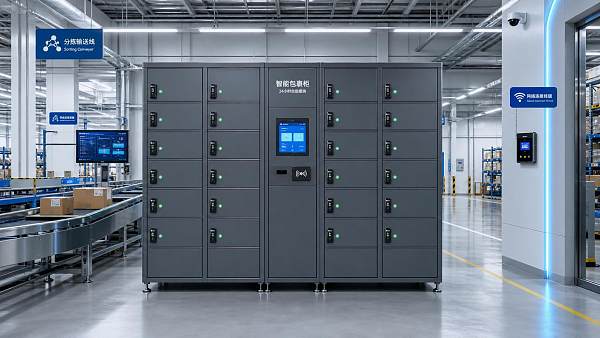
A parcel network grows fast, but security gaps grow faster when supplier selection is rushed.
That is why evaluating a last-mile logistics security supplier should start before pricing talks move too far.
In practical terms, the supplier affects asset protection, parcel loss rates, maintenance frequency, and deployment speed.
A weak supplier can create recurring problems.
- Door and lock failures that interrupt deliveries
- Poor anti-theft design that raises claims and disputes
- Unstable software that breaks locker availability
- Weak service response that extends downtime
A strong last-mile logistics security supplier supports expansion with durable hardware, secure access control, and realistic operating economics.
This also means lower hidden costs over the full contract lifecycle.
Start with the Security Architecture
The first test is simple.
Can the last-mile logistics security supplier clearly explain how its system protects parcels, compartments, credentials, and service access?
Look beyond product brochures.
Review the full security stack, including mechanical structure, lock technology, software controls, user authentication, and event logging.
Questions to ask
- What anti-pry, anti-drill, or anti-tamper features are built into the locker body and doors?
- What electronic lock cycle life has been tested under field conditions?
- How are master credentials, courier access, and maintenance permissions segmented?
- Are failed opening attempts logged and traceable?
- Can the system support remote lock status monitoring?
A capable last-mile logistics security supplier should show layered protection, not one headline feature.
That matters because parcel theft often comes from combined failures, not a single broken part.
Check Reliability Under Real Operating Conditions
A secure design means little if uptime is poor.
Parcel networks face weather swings, repeated openings, vibration, power instability, and heavy user traffic.
Ask the last-mile logistics security supplier for field performance data, not just lab claims.
Review these reliability points
- Electronic lock failure rate per installed unit
- Mean time between failure for controllers and access modules
- Door alignment stability after repeated use
- Recovery behavior after network drop or power loss
- Temperature and humidity tolerance
From a cost perspective, this is where many buying mistakes happen.
A lower unit price can hide higher maintenance visits, part replacement, and customer service escalation later.
A dependable last-mile logistics security supplier usually helps reduce total cost of ownership, even with a higher initial quote.
Assess Software, Connectivity, and Data Security
Modern locker networks are physical assets connected by software.
That makes digital resilience part of supplier evaluation.
A last-mile logistics security supplier should support secure connectivity across 4G, 5G, Ethernet, or hybrid environments.
More importantly, it should explain how data, commands, and firmware updates are protected.
Look for these capabilities
- Encrypted communications between locker and platform
- Role-based permission control
- Remote diagnostics and firmware management
- Audit trails for opening events and admin actions
- API readiness for carrier, property, or access systems
In expanding networks, integration often becomes the bigger issue than hardware selection.
If the last-mile logistics security supplier cannot integrate smoothly, rollout speed slows and management complexity rises.
Verify Compliance, Testing, and Quality Controls
Compliance does not guarantee performance, but it helps screen out weak suppliers.
Ask the last-mile logistics security supplier for documented testing, manufacturing controls, and certification status relevant to your market.
Useful evaluation areas
- Electrical safety and EMC compliance
- Ingress protection for outdoor or semi-outdoor installations
- Cycle testing for doors, hinges, and locking mechanisms
- Corrosion resistance testing for exposed environments
- Factory inspection, traceability, and incoming material controls
This is also a good point to review supplier discipline.
Can they provide stable documentation, revision records, and change notices?
A mature last-mile logistics security supplier usually handles these details with little friction.
Measure Service Capability and Expansion Readiness
Security products are not finished at delivery.
The operating model behind them matters just as much.
A last-mile logistics security supplier should be able to support phased deployment, spare parts planning, remote troubleshooting, and training.
This becomes even more important when expansion crosses cities or countries.
Evaluate service depth
A supplier may look strong in a pilot but struggle at network scale.
Ask for references from similar rollout sizes, climates, and operating scenarios.
Compare Cost Through a Total Ownership Lens
Price matters, but invoice price alone is too narrow.
When selecting a last-mile logistics security supplier, cost analysis should include both direct and operating impacts.
Include these cost lines
- Unit price for lockers, locks, and controllers
- Software licensing or platform fees
- Connectivity charges and data plans
- Installation and commissioning cost
- Maintenance labor and spare parts usage
- Downtime loss, failed deliveries, and claims exposure
This is where a better last-mile logistics security supplier often becomes more competitive over three to five years.
A slightly higher upfront spend can buy stronger reliability, fewer field interventions, and lower risk transfer costs.
A Practical Shortlist Framework
To compare suppliers fairly, use a weighted scoring method.
It keeps technical discussion grounded and helps separate sales claims from operational value.
Suggested score categories
- Security design and anti-tamper performance
- Reliability data and lifecycle durability
- Software integration and data security
- Compliance, testing, and documentation quality
- Service response and expansion support
- Total cost of ownership
In actual sourcing work, the best last-mile logistics security supplier is usually the one with the fewest operational surprises.
That is a stronger outcome than simply choosing the lowest quote or the best-looking presentation.
Final Buying View
Evaluating a last-mile logistics security supplier requires a balanced view of physical security, software resilience, service depth, and long-term cost.
The most useful supplier conversations focus on evidence.
Ask for test records, field references, failure data, support metrics, and integration details.
When those answers are clear, expansion decisions become faster, safer, and easier to defend internally.
A disciplined review process will help identify the last-mile logistics security supplier that can protect parcels, support growth, and control cost across the full network lifecycle.
Have questions about this sector analysis, or seeking best practices specific to your niche? Drop us a line below and let the senior consultants at MHLS assist you.
We respect your privacy. Your information is strictly confidential.
Recommended News
 Financial Facility Security: Choosing Vault Doors for Bank BranchesVault Structural ArchitectStrengthen financial facility security with the right bank vault door. Explore certification, installation, locking controls and maintenance before you buy.
 MACO Acquires Majority Stake in Fingerprint Access Provider ekeyProf. Elara SterlingMACO acquires a majority stake in ekey, bringing fingerprint access and door hardware closer together. Discover what the deal could mean for smart buildings.
 Physical Security System Engineering: From Risk Assessment to System DesignUnmanned Terminal FellowExplore physical security system engineering, from risk assessment to integrated design, procurement and testing. Build a safer, more resilient facility.
 Apple Home Collection Smart Lock and Other Accessories Open for Preorder November 13Biometric Auth ScientistApple Home Collection preorders open November 13, 2026. Explore the LG smart lock’s Matter and Aliro support and what buyers should verify before ordering.
 Choosing Servo-Driven Flap Barriers: Throughput, Safety and Access ControlAccess Control StrategistServo-driven flap barriers can balance throughput, safety and access control. Discover how to compare lanes, test performance and choose with confidence.
 Parcel Locker Network Pricing: Setup Costs, Fees and Contract TermsUnmanned Terminal FellowCompare parcel locker networks pricing, from setup costs and recurring fees to contract terms. Discover hidden charges and choose the right model.
 JR East Plans UWB Walk-Through Gates at 40 Stations in Spring 2028Access Control StrategistJR East plans UWB walk-through gates at 40 stations in spring 2028. Explore the rollout timeline and what suppliers should watch.
 Bank Vault Security Standards: UL and EN Ratings ExplainedVault Structural ArchitectExplore bank vault security standards and learn how UL 608 classes and EN 1143-1 grades differ, what they test, and how to verify certification before you buy.
 Mechanical Lock Hardware Prices: What Buyers Should Budget for Bulk OrdersMr. Gideon CrossMechanical lock hardware price is just the starting point. Discover what drives bulk-order costs and how to compare supplier quotes with confidence.
 IndexBox Forecasts Steady Global Security Keypad Market Growth Through 2035Dr. Valerius ThorneGlobal security keypad market growth is forecast at 3.3% annually through 2035. Explore the smart home and replacement trends shaping demand.
 Choosing an Infrared Safety Sensors Manufacturer: What Buyers Should CheckUnmanned Terminal FellowChoosing an infrared safety sensors manufacturer? Compare safety evidence, integration, environmental performance and lifecycle costs before you buy.
 Choosing a Security Material Testing Service: What to Check for Lock and Safe MaterialsProf. Elara SterlingChoose a security material testing service with confidence. Learn what to check for lock and safe materials, from attack methods and accreditation to reliable reports.











