
Last-Mile Logistics Security Systems for Parcel Handover, Theft Prevention, and Audit Trails
Last-Mile Logistics Security Systems for Parcel Handover, Theft Prevention, and Audit Trails
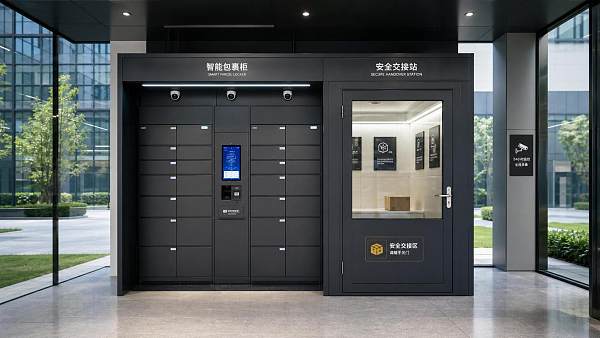
As parcel volumes rise, delivery handover has become a security issue, not just an operations issue. Missed deliveries, stolen packages, and weak records now create direct cost and reputational risk.
That is why last-mile logistics security systems are moving into mainstream deployment. They help control handover points, reduce theft exposure, and create reliable audit trails across busy sites.
In practical terms, the goal is simple. A parcel should reach the right person, through the right process, with a clear record of every critical step.
For residential towers, office parks, campuses, hospitals, and mixed-use projects, this changes planning priorities. Secure handover now sits beside access control, surveillance, and visitor management.
Why Last-Mile Logistics Security Systems Matter More Now
Parcel growth is the obvious driver, but it is not the only one. Delivery windows are shorter, labor is tighter, and customer tolerance for errors is much lower.
At the same time, delivery points are more fragmented. A single property may handle couriers, food delivery, internal mail, returns, and contractor drop-offs in one day.
Without structured controls, parcels are often left at lobbies, loading bays, reception desks, or unsecured shelves. That creates blind spots, disputes, and unnecessary manual follow-up.
This is where last-mile logistics security systems add value. They turn a loose handover process into a controlled workflow with identity checks, event logs, and exception handling.
From a project delivery view, the stronger signal is integration. Parcel security is no longer a stand-alone locker purchase. It is part of the wider physical security design.
Core Functions That Make the System Work
Effective last-mile logistics security systems usually combine hardware, software, and operating rules. The best results come from treating all three as one deployment package.
1. Secure Parcel Handover
A secure handover starts with controlled deposit and controlled collection. Smart parcel lockers, managed storage rooms, or attended transfer stations all support this principle.
The system should verify who placed the parcel, when it was placed, and who collected it. One-time codes, app credentials, RFID, PINs, or biometric verification may be used.
2. Theft Prevention Controls
Theft prevention depends on both physical and digital controls. Reinforced compartments, tamper-resistant locks, camera coverage, and controlled access reduce opportunistic loss.
Good last-mile logistics security systems also detect abnormal events. Forced door openings, repeated access failures, overstayed parcels, and offline nodes should trigger alerts.
3. Audit Trails and Chain of Custody
Audit trails matter when something goes wrong. They also matter when teams need to prove compliance, investigate service complaints, or improve workflow design.
A useful audit trail records timestamps, user identity, compartment number, access method, delivery status, exception notes, and associated video references where available.
In real operations, this shortens dispute resolution. It also helps separate process failure from user error, which is important when claims or service penalties appear.
System Architecture for Different Site Types
There is no single layout for last-mile logistics security systems. Site traffic, user behavior, staffing model, and parcel mix should shape the architecture.
Residential Properties
For apartments and gated communities, smart parcel lockers near controlled entrances work well. They reduce lobby congestion and limit direct courier movement into private zones.
Commercial Buildings
Office sites often need a mix of parcel lockers, reception workflows, and staff access rules. High-volume tenants may require reserved compartments or dedicated delivery windows.
Logistics and Industrial Sites
These sites usually need stronger chain-of-custody control. Driver staging, dock transfers, contractor collection, and return flows all need event-based logging.
Hospitals, Campuses, and Multi-Building Facilities
Distributed properties benefit from networked lockers and unified dashboards. This allows central visibility while keeping local handover points convenient for users.
How to Evaluate Last-Mile Logistics Security Systems
Selection should go beyond appearance and compartment count. The right evaluation method looks at risk, throughput, integration, and long-term operating control.
- Access security: electronic lock reliability, credential options, permission levels, and anti-tamper response.
- Physical protection: door strength, hinge design, enclosure durability, and weather resistance for semi-outdoor use.
- Audit capability: event detail, searchable logs, export functions, and retention settings.
- Connectivity: 4G or 5G backup, LAN stability, remote diagnostics, and offline recovery behavior.
- Integration: access control platforms, property management systems, carrier APIs, and video systems.
- Serviceability: spare parts, field maintenance access, firmware updates, and fault notification.
This is also where many deployments go off track. A locker may function well in isolation, yet still fail operationally because alerts, permissions, or support processes are weak.
Common Risks and How to Reduce Them
Even strong last-mile logistics security systems can underperform when planning is too narrow. Most problems come from process gaps rather than hardware failure alone.
From recent projects, overflow planning is often overlooked. Peak seasons, promotions, or weather disruptions can double parcel load and quickly expose capacity limits.
A Practical Deployment Approach
A workable rollout usually starts with site mapping. Identify parcel origins, handover points, access layers, staffing patterns, and current failure points first.
- Define parcel volumes by day, peak period, and user type.
- Classify security risk by location, parcel value, and access exposure.
- Choose handover hardware that matches indoor, outdoor, or mixed conditions.
- Set access roles for couriers, residents, staff, contractors, and administrators.
- Connect the system to access control, surveillance, and notification tools.
- Test exception flows before go-live, including overflow, returns, and forced entry alarms.
This staged method improves adoption because it reflects actual site behavior. It also gives a cleaner basis for procurement comparison and acceptance testing.
What Stronger Audit Trails Deliver Over Time
Audit trails are often treated as a defensive feature. In practice, they also support better service management and sharper operational decisions.
With good reporting, teams can see dwell time, failed pickup rates, access bottlenecks, and locker turnover. That helps justify expansion, rule changes, or site redesign.
For insurers and property stakeholders, traceable records reduce uncertainty. For operators, they reduce manual checking and give stronger evidence during disputes.
That is the broader case for last-mile logistics security systems. They do more than secure parcels. They make handover measurable, accountable, and easier to scale.
Conclusion
As delivery demand keeps rising, last-mile logistics security systems have become a practical part of modern site planning. The real value comes from combining secure handover, theft prevention, and usable audit trails.
The most effective deployments start with operational reality, not product catalogs. Review handover risks, map user flows, test exceptions, and build a system that fits how the site actually works.
When that foundation is in place, last-mile logistics security systems support lower loss, cleaner accountability, and a delivery experience that remains reliable as volumes grow.
Have questions about this sector analysis, or seeking best practices specific to your niche? Drop us a line below and let the senior consultants at MHLS assist you.
We respect your privacy. Your information is strictly confidential.
Recommended News
 Parcel Locker Network Pricing: Setup Costs, Fees and Contract TermsUnmanned Terminal FellowCompare parcel locker networks pricing, from setup costs and recurring fees to contract terms. Discover hidden charges and choose the right model.
 JR East Plans UWB Walk-Through Gates at 40 Stations in Spring 2028Access Control StrategistJR East plans UWB walk-through gates at 40 stations in spring 2028. Explore the rollout timeline and what suppliers should watch.
 Bank Vault Security Standards: UL and EN Ratings ExplainedVault Structural ArchitectExplore bank vault security standards and learn how UL 608 classes and EN 1143-1 grades differ, what they test, and how to verify certification before you buy.
 Mechanical Lock Hardware Prices: What Buyers Should Budget for Bulk OrdersMr. Gideon CrossMechanical lock hardware price is just the starting point. Discover what drives bulk-order costs and how to compare supplier quotes with confidence.
 IndexBox Forecasts Steady Global Security Keypad Market Growth Through 2035Dr. Valerius ThorneGlobal security keypad market growth is forecast at 3.3% annually through 2035. Explore the smart home and replacement trends shaping demand.
 Choosing an Infrared Safety Sensors Manufacturer: What Buyers Should CheckUnmanned Terminal FellowChoosing an infrared safety sensors manufacturer? Compare safety evidence, integration, environmental performance and lifecycle costs before you buy.
 Choosing a Security Material Testing Service: What to Check for Lock and Safe MaterialsProf. Elara SterlingChoose a security material testing service with confidence. Learn what to check for lock and safe materials, from attack methods and accreditation to reliable reports.
 How Precision Anti-Pick Lock Cylinders Resist ManipulationSecurity Metallurgy ExpertDiscover how precision anti-pick lock technology resists manipulation, and learn what to check when comparing security features, test evidence, and everyday reliability.
 Dermalog Joins NIST FastCAP Program for Contactless Fingerprint TestingProf. Elara SterlingDermalog joins the NIST FastCAP program for contactless fingerprint testing. Discover what this means for biometric identification and digital identity.
 Choosing Security Export Compliance Services: What Providers Should CoverMr. Gideon CrossSecurity export compliance services can help prevent costly delays. Discover what to look for in classification, licensing, screening, and documentation.
 European Security Compliance Standards for Safes: EN 1143-1 vs EN 14450Dr. Valerius ThorneExplore security compliance standards Europe buyers need to know. Compare EN 1143-1 and EN 14450 to choose the right safe with confidence.
 HID Global Acquires inepro ID to Expand RFID and BLE Access SolutionsUnmanned Terminal FellowHID Global acquires inepro ID to expand RFID and BLE access solutions for printers, smart lockers and shared devices. Explore what the deal could mean for your organization.











