
Outdoor Parcel Locker Cabinets: Key Materials, IP Ratings, and Anti-Vandal Features Explained
Outdoor Parcel Locker Cabinets: What Really Matters in Technical Evaluation
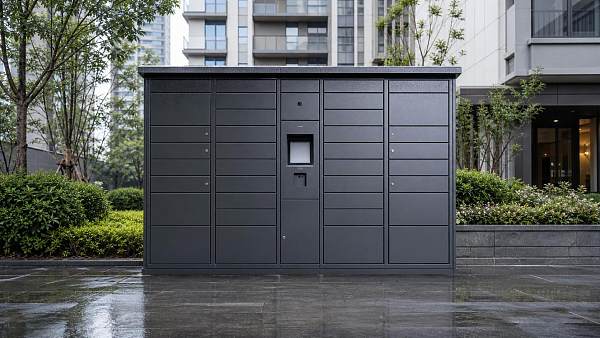
Selecting outdoor parcel locker cabinets requires more than comparing dimensions, door counts, or unit price.
In real deployments, outdoor exposure changes everything.
Rain, UV, dust, salt air, impact attempts, and repeated daily use all shape long-term performance.
That is why outdoor parcel locker cabinets should be assessed as physical security infrastructure, not simple metal boxes.
For procurement and engineering teams, three factors usually drive lifecycle value.
They are cabinet materials, ingress protection levels, and anti-vandal structural design.
If any of these are under-specified, maintenance cost and service risk rise quickly.
This also affects user trust, parcel protection, and network uptime.
The good news is that technical review can be made practical.
Once you know what to look for, outdoor parcel locker cabinets become much easier to compare.
Why Material Choice Shapes Service Life
Material selection is the first screening point for outdoor parcel locker cabinets.
A cabinet may look robust at delivery but still degrade fast outdoors.
The main concern is not only strength.
It is the balance between corrosion resistance, structural rigidity, finish durability, and repairability.
Common cabinet materials
- Galvanized steel offers good strength and cost control for many outdoor parcel locker cabinets.
- Stainless steel improves corrosion resistance, especially in coastal, humid, or polluted environments.
- Aluminum reduces weight and resists rust, but requires careful design for stiffness and dent resistance.
- Composite panels can support weather performance, but need strong frame integration and impact validation.
Galvanized steel remains common because it balances cost, fabrication flexibility, and mechanical strength.
However, zinc coating quality alone is not enough.
Edge treatment, weld sealing, and powder coating quality matter just as much.
In lower-cost builds, corrosion often starts at corners, cut edges, and drainage zones.
Stainless steel is often chosen for premium outdoor parcel locker cabinets.
It performs well where chloride exposure is high.
That includes coastal apartments, transport hubs, and exposed commercial sites.
Still, evaluators should verify grade selection, surface finish, and hardware compatibility.
Poorly matched fasteners can create galvanic corrosion problems.
Questions worth asking suppliers
- What is the base metal thickness for the body, doors, hinges, and mounting base?
- How are welded areas sealed and protected after fabrication?
- What coating system is used, and what salt spray data supports it?
- Are outdoor parcel locker cabinets tested for UV aging and finish adhesion?
- Which parts are field-replaceable after corrosion or impact damage?
From a lifecycle perspective, material choice is never isolated from maintenance strategy.
Outdoor parcel locker cabinets with better materials usually reduce repainting, door misalignment, and premature lock failures.
How IP Ratings Should Be Interpreted
IP ratings are often quoted in product brochures, but they are frequently misunderstood.
For outdoor parcel locker cabinets, the rating should be treated as one input, not the whole answer.
The first digit addresses solids like dust.
The second digit addresses water ingress under specific test conditions.
What common IP levels mean
- IP54 suits many semi-sheltered installations with moderate dust and splash exposure.
- IP55 adds stronger protection against water jets and harsher weather events.
- IP65 indicates dust-tight construction and better resistance to direct water exposure.
Even so, outdoor parcel locker cabinets do not perform by rating alone.
A cabinet can pass a lab test and still struggle in wind-driven rain.
That is especially true when doors are opened constantly by users and couriers.
Seal compression, drainage paths, roof design, and cable entries all affect real performance.
In practical evaluation, ask whether the stated IP rating applies to the whole system.
Sometimes the enclosure rating covers only electronic compartments.
Parcel doors, user interface modules, ventilation points, and power inlets may differ.
Key validation points
- Confirm the test standard and exact tested configuration.
- Check whether the touchscreen, scanner, and lock area share the same protection level.
- Review drainage design for plinths, roofs, seams, and delivery compartments.
- Ask how condensation is managed inside outdoor parcel locker cabinets.
- Verify operating stability after repeated opening cycles in wet conditions.
This is where technical due diligence becomes valuable.
A realistic weather protection review helps prevent screen failures, corroded connectors, and door sensor faults.
In short, good outdoor parcel locker cabinets combine IP performance with thoughtful enclosure engineering.
Anti-Vandal Features That Matter in the Field
Weather resistance protects availability, but anti-vandal design protects assets and trust.
Outdoor parcel locker cabinets are often installed in unattended or lightly supervised locations.
That creates exposure to forced entry, prying, kicking, graffiti, and tampering with user interfaces.
Structural defenses to prioritize
- Reinforced doors with anti-pry returns and tight gap control.
- Concealed or protected hinges that resist cutting and leverage attacks.
- Multi-point locking or strong single-point latching with reinforced strike zones.
- Internal fastener access to prevent simple disassembly from outside.
- Impact-resistant screens, readers, and keypad windows.
The lock area deserves special attention.
Many failures happen not because the whole cabinet is weak, but because one compartment is easier to exploit.
Outdoor parcel locker cabinets need consistent resistance across doors, lock mounts, and frame junctions.
More advanced systems also include tamper alarms, door-open sensing, and remote exception reporting.
These features do not replace strong cabinet structure.
They add visibility and shorten incident response time.
Site-driven risk factors
Not every installation needs the same anti-vandal level.
A gated residential property differs from a transit-adjacent pickup zone.
Busy mixed-use sites often face more accidental impacts and opportunistic abuse.
Remote sites may face slower response times after tamper events.
That means outdoor parcel locker cabinets should be matched to actual threat profile, not generic expectations.
A Practical Comparison Framework
When comparing outdoor parcel locker cabinets, a structured checklist helps cut through marketing language.
The best evaluations connect lab claims with installation realities.
In actual business use, this framework makes supplier discussions more productive.
It also helps explain why two outdoor parcel locker cabinets with similar layouts may perform very differently over time.
Final Takeaway for Better Specification
The strongest outdoor parcel locker cabinets are built around the realities of exposure, misuse, and service continuity.
Material quality determines how the structure ages.
IP-rated design determines how electronics and compartments survive weather.
Anti-vandal engineering determines how well the system stands up to attack and abuse.
When these three areas are reviewed together, specification quality improves immediately.
A practical next step is simple.
Ask suppliers for material details, IP test scope, and anti-vandal construction evidence in one technical package.
That approach makes outdoor parcel locker cabinets easier to benchmark, safer to deploy, and more reliable throughout their operating life.
Have questions about this sector analysis, or seeking best practices specific to your niche? Drop us a line below and let the senior consultants at MHLS assist you.
We respect your privacy. Your information is strictly confidential.
Recommended News
 Physical Security Infrastructure Cost: Budgeting for Installation and MaintenanceUnmanned Terminal FellowUnderstand physical security infrastructure cost and build a smarter budget for installation, maintenance, and long-term ownership.
 Financial Facility Security: Choosing Vault Doors for Bank BranchesVault Structural ArchitectStrengthen financial facility security with the right bank vault door. Explore certification, installation, locking controls and maintenance before you buy.
 MACO Acquires Majority Stake in Fingerprint Access Provider ekeyProf. Elara SterlingMACO acquires a majority stake in ekey, bringing fingerprint access and door hardware closer together. Discover what the deal could mean for smart buildings.
 Physical Security System Engineering: From Risk Assessment to System DesignUnmanned Terminal FellowExplore physical security system engineering, from risk assessment to integrated design, procurement and testing. Build a safer, more resilient facility.
 Apple Home Collection Smart Lock and Other Accessories Open for Preorder November 13Biometric Auth ScientistApple Home Collection preorders open November 13, 2026. Explore the LG smart lock’s Matter and Aliro support and what buyers should verify before ordering.
 Choosing Servo-Driven Flap Barriers: Throughput, Safety and Access ControlAccess Control StrategistServo-driven flap barriers can balance throughput, safety and access control. Discover how to compare lanes, test performance and choose with confidence.
 Parcel Locker Network Pricing: Setup Costs, Fees and Contract TermsUnmanned Terminal FellowCompare parcel locker networks pricing, from setup costs and recurring fees to contract terms. Discover hidden charges and choose the right model.
 JR East Plans UWB Walk-Through Gates at 40 Stations in Spring 2028Access Control StrategistJR East plans UWB walk-through gates at 40 stations in spring 2028. Explore the rollout timeline and what suppliers should watch.
 Bank Vault Security Standards: UL and EN Ratings ExplainedVault Structural ArchitectExplore bank vault security standards and learn how UL 608 classes and EN 1143-1 grades differ, what they test, and how to verify certification before you buy.
 Mechanical Lock Hardware Prices: What Buyers Should Budget for Bulk OrdersMr. Gideon CrossMechanical lock hardware price is just the starting point. Discover what drives bulk-order costs and how to compare supplier quotes with confidence.
 IndexBox Forecasts Steady Global Security Keypad Market Growth Through 2035Dr. Valerius ThorneGlobal security keypad market growth is forecast at 3.3% annually through 2035. Explore the smart home and replacement trends shaping demand.
 Choosing an Infrared Safety Sensors Manufacturer: What Buyers Should CheckUnmanned Terminal FellowChoosing an infrared safety sensors manufacturer? Compare safety evidence, integration, environmental performance and lifecycle costs before you buy.











